Valentine’s Day Home Decor Ideas That Feel Romantic, Not Cheesy
Valentine’s Day decorating has a reputation problem. Say the words and most people picture foil hearts taped to the fridge, glittery cupids, and so much bright red that the living room looks like a card aisle. That style has its place, especially in a house with young kids, but it isn’t the only way to…
Valentine’s Day decorating has a reputation problem. Say the words and most people picture foil hearts taped to the fridge, glittery cupids, and so much bright red that the living room looks like a card aisle. That style has its place, especially in a house with young kids, but it isn’t the only way to mark the day.
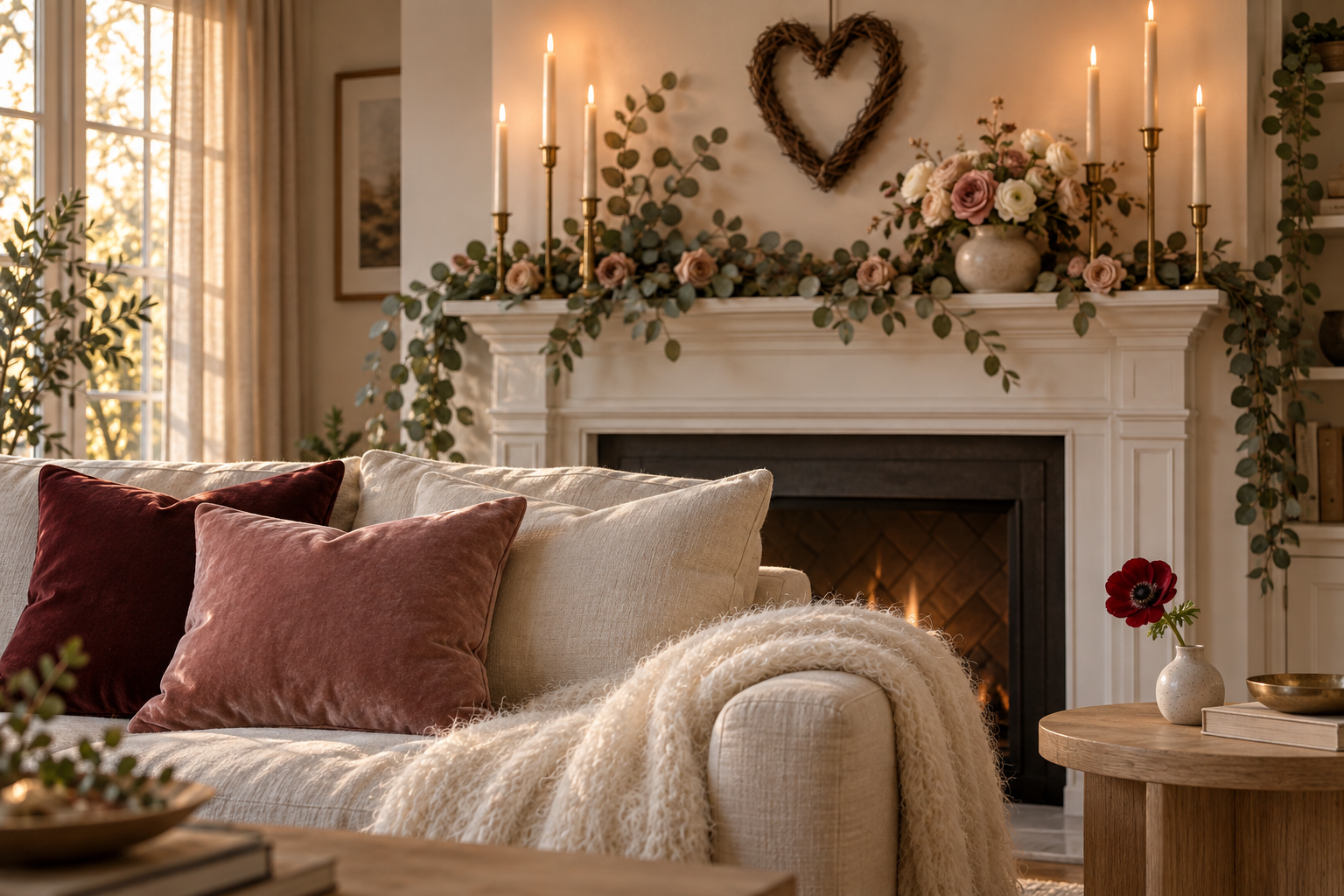
The Valentine’s decor that looks best in a real home is quieter. It borrows from the warmth of winter decorating, adds a few soft or deep romantic colors, and leans heavily on flowers, candlelight, and a beautifully set table. Much of it can stay out well past February 14 without looking out of place, which makes the effort feel far more worthwhile.
Below you’ll find how to choose a palette that feels grown-up, which flowers and plants to buy and how to make them last, how to set a table for a dinner at home, what to do in each room, a handful of simple DIY projects, and how to move from Valentine’s styling into late winter without starting over.
Choosing a Valentine’s Color Palette That Looks Stylish
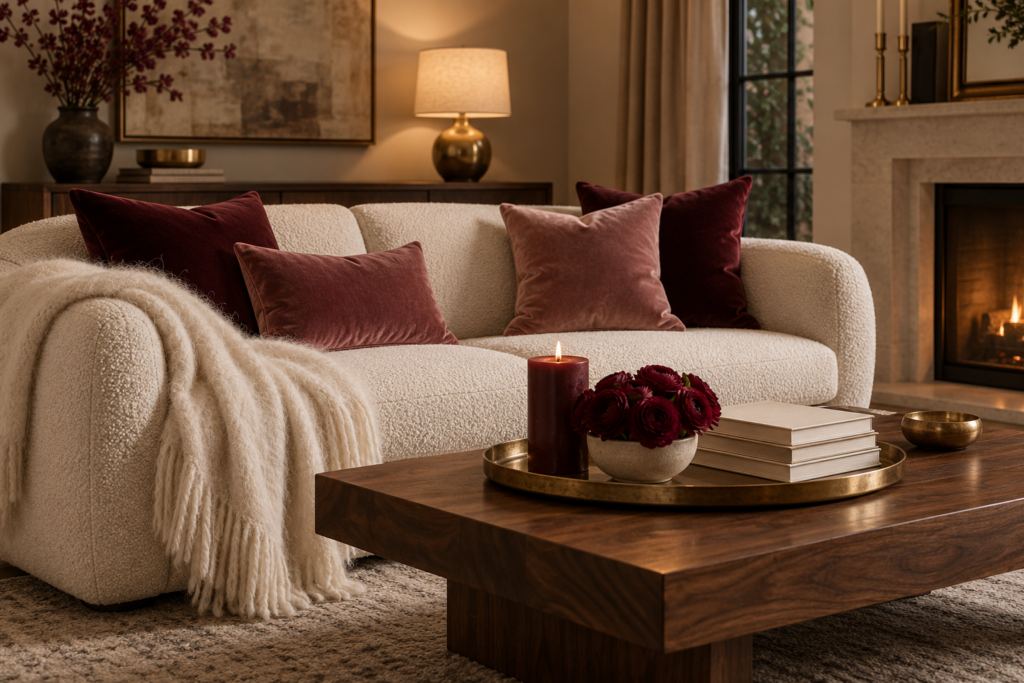
The most stylish Valentine’s decor uses a restrained palette instead of pure red and bright pink everywhere. Pair one romantic color, such as blush, dusty rose, or deep burgundy, with a neutral like cream or warm white and a warm metallic such as brass. Repeating those two or three shades across a room looks intentional rather than themed.
Color is the single biggest factor in whether Valentine’s decor feels elegant or novelty. A room with one red velvet pillow, a vase of garnet roses, and a burgundy candle reads as romantic. A room with red paper hearts, pink balloons, and a printed banner reads as a party. Both are fine choices, but it helps to decide which one you’re going for before buying anything.
Palettes that work beyond the obvious red and pink
A few combinations hold up well in most homes:
- Blush, ivory, and brass. Soft and light, ideal for Scandinavian, cottage, or minimal interiors. Works beautifully with pale wood.
- Burgundy, cream, and antique gold. Moody and rich. It suits darker rooms, leather furniture, and evening entertaining.
- Classic red, crisp white, and natural wood. Graphic and cheerful without feeling childish, especially when the red appears in small doses like tulips or a striped napkin.
- Dusty rose, terracotta, and sage. Earthy and warm, good for bohemian and farmhouse spaces, and it transitions easily into spring.
- Deep plum, blush, and charcoal. Unexpected and sophisticated, particularly with velvet textures.
If your home already has a strong color in a rug or large piece of art, build from that. A room with a navy rug looks lovely with burgundy and cream accents, while a green sofa pairs better with blush than with bright red.
How do you decorate for Valentine’s Day without it looking tacky?
Limit literal symbols and let color, texture, and flowers do the work. Use hearts sparingly, perhaps in one wreath or garland rather than on every surface, and choose natural materials like velvet, linen, dried flowers, and wood over foil, glitter, and printed plastics. One or two focal areas, such as a mantel and a table, look more polished than decorations spread everywhere.
Texture helps enormously. Velvet catches light in a way that makes deep reds and pinks look expensive, while linen and mohair soften them. Swapping two pillow covers and a throw usually does more than a bag of decorations. If you love heart motifs, pick shapes that feel crafted rather than manufactured: a heart woven from grapevine, a dried flower heart, or a simple paper heart garland in handmade paper.
Scale matters as well. Tiny scattered hearts and confetti tend to look busy, while a single larger statement, like a heart-shaped wreath on the door or one generous flower arrangement, gives the eye somewhere to rest.
Flowers and Plants for Valentine’s Day Decor
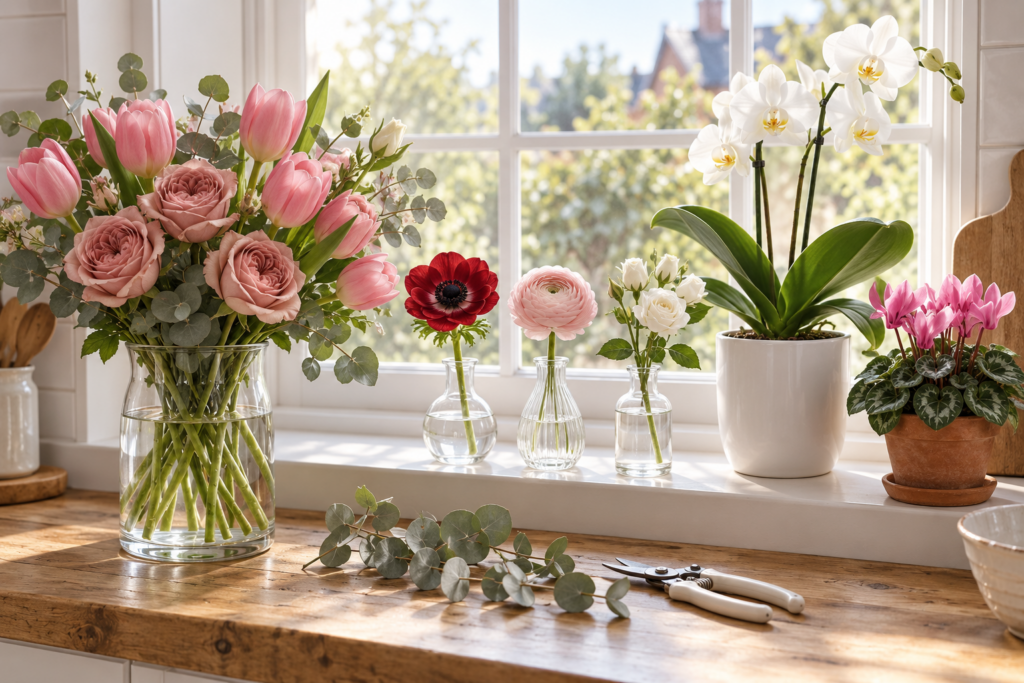
Flowers are the easiest way to decorate for Valentine’s Day. Red or pink roses are traditional, but tulips, ranunculus, anemones, carnations, and garden roses look just as romantic and often last longer. Potted plants such as orchids, anthuriums, cyclamen, and heart-shaped hoyas offer a lasting alternative that keeps decorating your home for months.
Keeping cut roses fresh longer
Roses bought around Valentine’s Day are often shipped long distances and can droop quickly if they’re not prepared properly. A few steps make a real difference:
- Remove any leaves that would sit below the waterline, since submerged foliage rots and clouds the water.
- Recut each stem at an angle, removing about an inch, ideally under running water or in a bowl of water to prevent air bubbles blocking the stem.
- Use a spotless vase with cool water and the flower food packet if one came with the bouquet.
- Change the water every day or two and give the stems a fresh trim each time.
- Keep the arrangement away from heating vents, direct sun, and fruit bowls. Ripening fruit releases ethylene gas, which speeds up wilting.
If a rose head flops early, recut the stem and lay the whole flower in a sink of cool water for about an hour. This often revives it.
Romantic alternatives to red roses
Prices for red roses climb sharply in the days before February 14, and many other flowers suit the season just as well.
Tulips are widely available in winter and come in soft pinks, deep reds, and bicolors. They keep growing after being cut and bend toward light, so turn the vase daily. Ranunculus have layered, paper-thin petals that look luxurious in blush, coral, and burgundy. Anemones, with their dark centers, add a graphic, modern edge. Carnations are often dismissed, but a dense, low bowl of a single color looks surprisingly refined and can last two weeks or more with fresh water.
Garden-style roses, spray roses, sweet peas, hellebores, and waxflower are other good choices. For a softer arrangement, mix one flower type with silver dollar eucalyptus or ruscus, which also helps a small bouquet look fuller.
Rather than one large vase, consider three to five bud vases grouped along a table or windowsill. It makes a modest bunch of flowers stretch much further.
Potted plants that last beyond February
A living plant keeps giving long after cut flowers fade, and several have natural Valentine’s associations:
- Moth orchids in white or pink bloom for many weeks with bright, indirect light and a small amount of water roughly once a week.
- Anthuriums have glossy, heart-shaped red or pink spathes and flower on and off through the year indoors.
- Hoya kerrii, often sold as a single heart-shaped leaf in a small pot, makes a charming gift. Be aware that a lone leaf cutting may stay just that for years without growing a vine.
- String of hearts trails small heart-shaped, silver-marbled leaves and looks lovely spilling from a shelf.
- Cyclamen produces pink, red, or white flowers through winter and prefers a cool room.
- Kalanchoe and miniature potted roses add bright color to a windowsill.
Which Valentine’s flowers are safe for homes with pets?
Roses, orchids, and gerbera daisies are generally considered safe for cats and dogs, though rose thorns can still cause injury. Lilies are extremely dangerous to cats, even in small amounts such as pollen or vase water. Tulips, cyclamen, and kalanchoe are also toxic to pets, so keep them out of reach and check with a veterinarian if unsure.
Bouquets often arrive with lilies mixed in, so look through any flowers you receive before setting them out in a home with cats.
Setting a Romantic Table for Valentine’s Day at Home
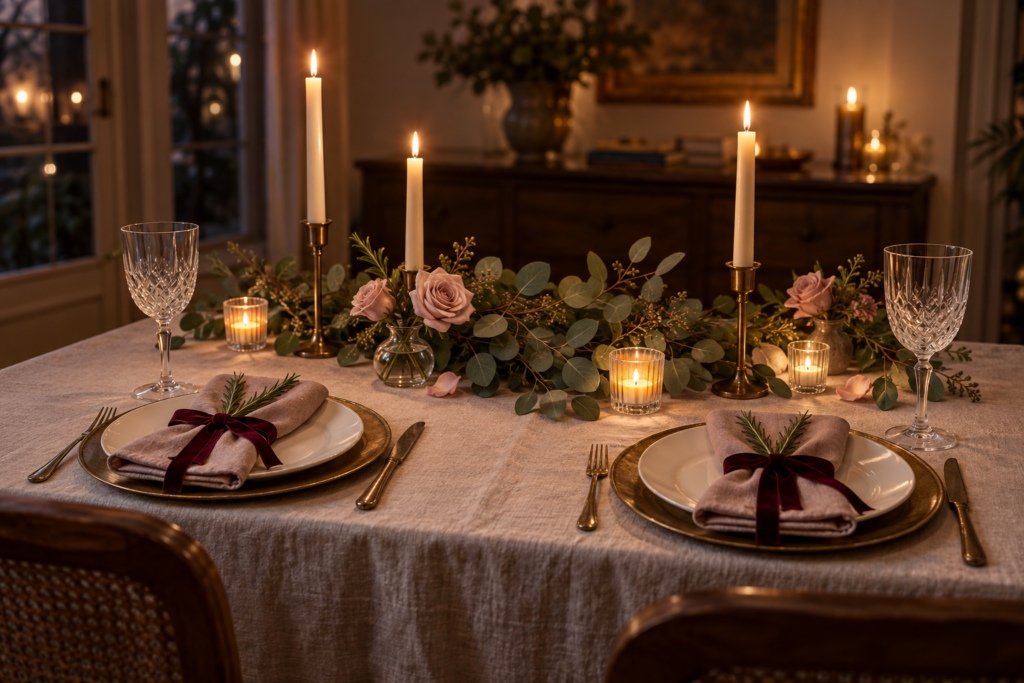
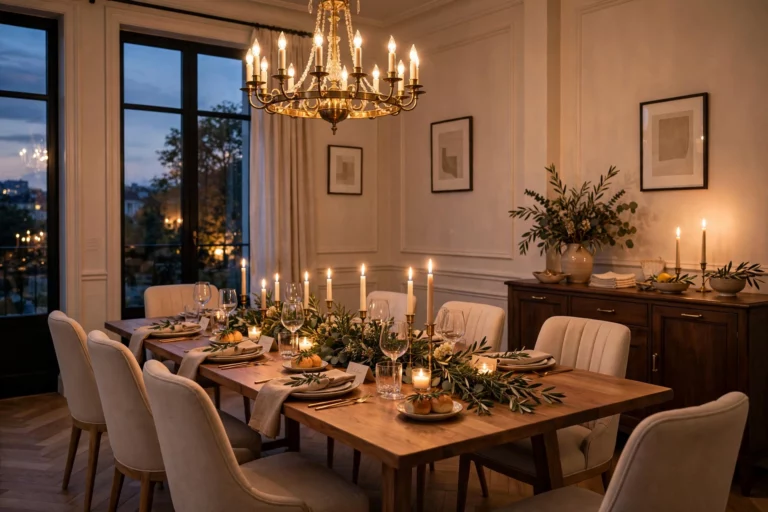
A romantic Valentine’s table relies on low candlelight, a short centerpiece, and a few thoughtful details. Use a neutral tablecloth or runner, cloth napkins in your chosen accent color, candles at varying heights, and small flowers kept low enough to see across. Dim the overhead lights so the table glows.
Many couples and friends now prefer staying in over crowded restaurants on February 14, which makes the table one of the most useful places to spend your decorating effort.
Building the table layer by layer
Start with a base. A plain linen tablecloth in white, oatmeal, or pale blush sets a soft tone, while a bare wooden table with a narrow runner looks relaxed and modern. For a moodier look, a dark tablecloth in charcoal or deep plum makes candles and flowers stand out dramatically.
Add plates next. White dishes work with everything, and a charger in brass, rattan, or wood beneath each plate makes the setting feel special without buying new dinnerware. Fold cloth napkins simply and tie them with a length of velvet or silk ribbon, perhaps with a sprig of rosemary or a single dried rose tucked under the bow.
For the centerpiece, keep it below eye level when seated. A low bowl of roses or carnations, a trail of eucalyptus down the center, or a line of bud vases each holding one stem works well. Scatter a few loose petals if you like, but keep them away from plates.
Candles bring the whole table together. Mix tall tapers with a few low votives in glass holders. Use unscented candles at the table, because fragrance competes with food and wine.
How do you set up a romantic dinner at home?
Choose the setting first, then plan lighting, table, and atmosphere. Clear the space of everyday clutter, set the table with cloth napkins and your best dishes, and add a low floral arrangement and several candles. Turn off overhead lights, use lamps on dimmers, put on quiet music, and prepare as much food as possible in advance so you stay at the table.
The dining table isn’t the only option. A low coffee table in front of a fireplace, with floor cushions and a soft throw, feels intimate and informal. In a small apartment, a small bistro table moved beside a window with city lights outside can be just as effective. On a mild evening in warmer climates, a balcony or patio with string lights and blankets works well too.
A few small touches make it feel planned: a handwritten menu card propped against a glass, a favorite wine chilling in a bucket on a side cart, dessert waiting on a cake stand, and cleared kitchen counters so the view from the table stays calm.
Styling a table for Galentine’s or a family Valentine’s dinner
For a group of friends, a longer table benefits from repeating elements. Place bud vases every couple of feet, alternate tapers and votives, and use a single runner down the full length. Pink and red in larger quantities tends to feel celebratory rather than overly romantic in this setting, so a brighter palette suits it well.
With children, Valentine’s dinner can be playful. Let kids decorate paper place mats, serve heart-shaped sandwiches or pancakes, and use flameless candles for safety. Red and white striped paper straws and a bowl of strawberries make the table festive with almost no effort.
Valentine’s Decor Ideas for Every Room
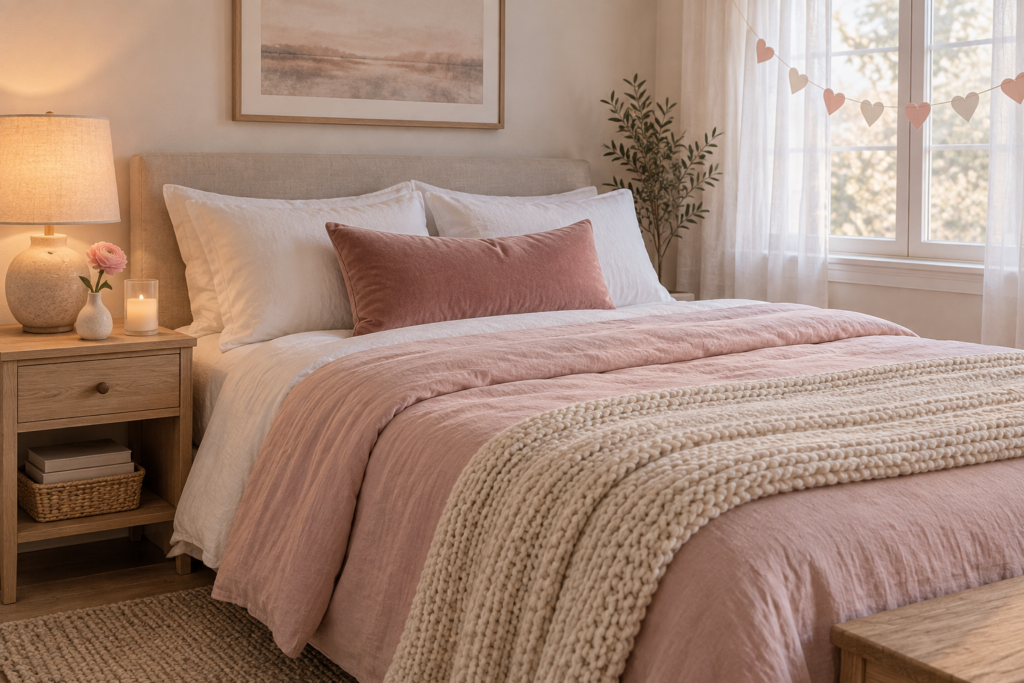
Focus on two or three rooms rather than decorating the whole house. The entryway, mantel or living room, dining area, and bedroom are the most effective places. In each space, change one or two textiles, add flowers or greenery, and include soft lighting, which keeps the look cohesive and uncluttered.
Front door and entryway
A wreath is the simplest way to greet guests. Heart-shaped grapevine or wire wreaths wrapped with eucalyptus, dried roses, or wool felt balls look handmade and elegant. A round wreath of dried pink and cream flowers works just as well without a literal heart. Inside, set a small tray on the console with a bud vase, a candle, and a bowl for keys so the entry still functions.
If the door takes harsh winter weather, use dried or faux elements outside and save fresh flowers for indoors.
Mantel and living room
The mantel is a natural focal point. Lay a loose garland of eucalyptus or ruscus along its length and tuck in dried roses, strawflowers, or a few fresh stems in water tubes. Add candlesticks in varied heights and one taller element, such as a vase of flowering quince or cherry branches, for balance. If you still have winter decor out, keep the greenery and candles and simply introduce blush or burgundy accents.
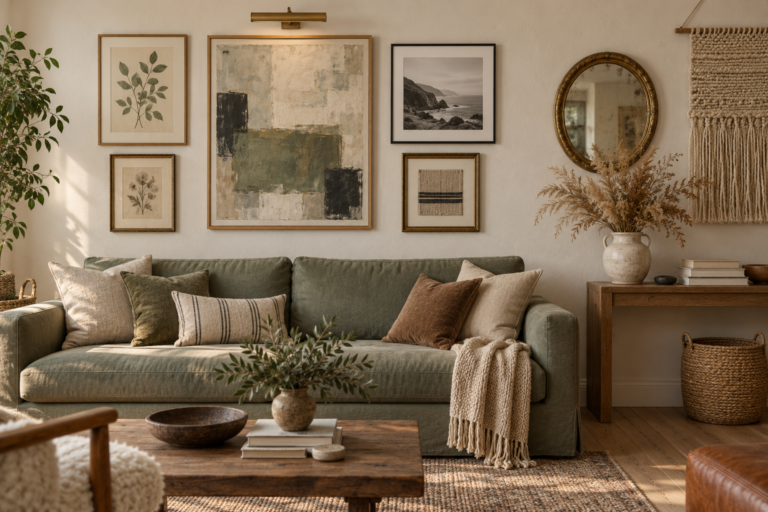
In the seating area, swap two pillow covers for velvet in your accent color and add a soft throw in ivory or pale pink. A single framed print, like a vintage botanical of roses or an abstract in warm tones, can replace artwork temporarily on a side table or shelf.
Bedroom
Keep bedroom decor soft and simple. Freshly washed linens in white, blush, or a warm neutral set the tone, perhaps with a velvet or linen pillow in a deeper shade. A bud vase with a single rose or ranunculus on each nightstand, and a lamp with a warm bulb and dimmer, go a long way.
Use flameless candles in the bedroom, especially near curtains and bedding. Loose rose petals on sheets look lovely in photographs, but red petals can stain pale fabric when crushed, so scatter them on a tray or throw rather than directly on light bedding.
Kitchen
Kitchen decor for Valentine’s Day can be edible. A bowl of pomegranates, red pears, or blood oranges on the counter looks beautiful and gets eaten. A cake stand holding cookies, chocolate-dipped strawberries, or a small cake becomes a centerpiece in itself. A few stems of flowers in a jug by the sink or a small potted cyclamen on the windowsill finish the space.
How can you decorate for Valentine’s Day in a small apartment?
Pick one focal spot, like a console, bookshelf, or dining table, and decorate only that. A single flower arrangement, two candles, one velvet pillow, and a small garland are enough in a compact space. Keeping decorations concentrated makes a small room feel styled rather than crowded, and everything fits in one small storage box afterward.
Walls and windows help save surface space. A paper heart garland across a window, a small wreath hung on a cabinet door, or a trailing string of hearts plant on a high shelf adds color without taking up tabletops.
Easy DIY Valentine’s Day Decorations
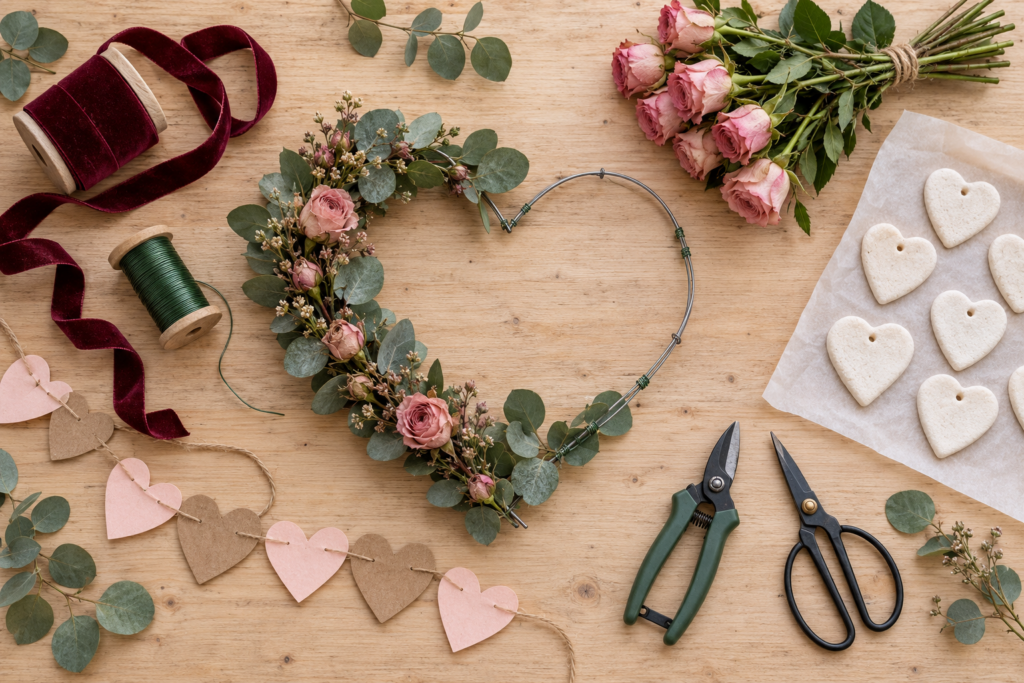
DIY Valentine’s decorations are simple, inexpensive, and often more attractive than store-bought versions. Popular projects include paper heart garlands, heart-shaped wreaths made from wire and eucalyptus, dried rose arrangements, pressed-flower frames, and salt dough hearts. Most use basic supplies like paper, twine, floral wire, and flowers you already have.
Paper heart garland
Choose paper with some texture: kraft paper, watercolor paper, handmade paper, or old sheet music. Fold a sheet in half, draw half a heart along the fold, and cut out several at once by stacking layers. Punch a small hole near the top of each heart and thread them onto twine, or stitch through their centers with a sewing machine for a continuous strand. Vary the sizes and alternate two or three shades from your palette. Hang it across a window, along a mantel, or over a bed.
Heart-shaped wreath
Bend a sturdy wire hanger or a length of heavy floral wire into a heart shape, twisting the ends together at the bottom point. Cut short sprigs of eucalyptus, ruscus, or boxwood and attach them to the frame with thin green floral wire, overlapping each bundle over the stems of the one before it so the wire is hidden. Once the frame is covered, tuck in dried roses, lavender, or strawflowers. Tie a velvet ribbon at the top for hanging. Eucalyptus dries well in place, so the wreath keeps looking good for weeks.
Drying and reusing roses
Valentine’s roses don’t have to be thrown away. When a bouquet begins to fade but before the petals drop, remove the leaves, tie the stems in small bunches with twine, and hang them upside down in a dark, dry, well-ventilated spot like a closet. Most roses dry in about two to three weeks. The color deepens, so pink roses often turn a rich dusty rose and red roses become almost burgundy.
Once dry, arrange them in a bud vase, tuck them into garlands and wreaths, or save them for next year’s decor. Loose petals can be dried flat on a paper towel and mixed with dried lavender in a small bowl.
Pressed flower frames
Choose flatter flowers such as pansies, small roses, anemones, or single petals. Place them between sheets of parchment paper inside a heavy book, stack more books on top, and leave them for two to three weeks. Arrange the pressed flowers between two panes of a floating glass frame and display them on a shelf or nightstand. It’s a lovely way to preserve flowers from a meaningful bouquet.
Salt dough hearts
Mix roughly two parts flour, one part salt, and one part water into a smooth dough, roll it out, and cut hearts with a cookie cutter. Use a straw to press a hanging hole near the top. Bake at a low oven temperature for a couple of hours until completely hard, flipping halfway. Leave them plain white for a Scandinavian look or paint them in muted pinks and reds, then hang them on branches in a vase or string them into a garland. This is an ideal project to do with children.
How can you decorate for Valentine’s Day on a budget?
Start with what you own: red or pink pillow covers, candles, ribbon, bud vases, and white dishes. Buy flowers from a grocery store or a few days before or after the holiday rather than at peak demand, and stretch them across several small vases. Paper garlands, salt dough hearts, and branches cut from your garden cost almost nothing.
Carnations and tulips give lots of color for their cost. Thrift stores reliably stock brass candlesticks, small glass vases, and cake stands, all of which you’ll use again for other seasons and occasions.
Blending Valentine’s Decor With Winter and Moving On After February 14
Valentine’s decor looks best when it builds on your existing winter styling instead of replacing it. Keep neutral textiles, evergreens, and candles, then add romantic accents on top. After February 14, remove obvious hearts and themed pieces but keep blush textiles, dried flowers, and candles, which carry naturally into late winter and early spring.
When should you put up Valentine’s Day decorations?
Most people decorate for Valentine’s Day in the first week of February, roughly one to two weeks before the holiday. Since Valentine’s decor usually builds on winter styling, you can add accents gradually, starting with textiles and candles and bringing in fresh flowers just a few days before February 14 so they are at their best.
Layering over your winter base
By early February, your home probably already holds wool throws, evergreen garlands, pine cones, and plenty of candles. There’s no need to pack all of that away. Swap brass or silver accents to match your Valentine’s palette if needed, then introduce color through a couple of velvet pillows, a flower arrangement, and ribbon tied around existing candles or garlands.
Evergreen and eucalyptus garlands pair naturally with dried roses. Pine cones in a wooden bowl look lovely mixed with a few dried rose heads. Winter whites and creams make both blush and burgundy look richer.
What to keep and what to pack away
After the holiday, remove items that clearly signal Valentine’s Day: heart garlands, heart wreaths, themed signs, and anything printed with love messages. What remains, such as blush or dusty rose textiles, dried flowers, potted orchids and cyclamen, and candles, will look at home through the rest of February.
As March approaches, those soft pinks lead nicely into spring decorating. Add forced flowering branches like forsythia or cherry, swap velvet for linen, and replace dried roses with fresh tulips.
Store reusable Valentine’s pieces in one small, labeled box: garlands wrapped flat in tissue, wreaths in a bag or box so the stems aren’t crushed, and dried flowers kept somewhere cool, dry, and dark to slow fading. A photo of your mantel or table taped inside the lid makes next year’s setup quick.
Frequently Asked Questions
What are the most popular Valentine’s Day home decor ideas?
Popular ideas include fresh flower arrangements, heart-shaped wreaths, paper heart garlands, candlelit table settings, and swapping pillow covers to red, pink, or burgundy velvet. Many people also decorate the mantel with greenery and dried roses, set a romantic dinner table at home, and add potted plants such as orchids or anthuriums.
How long should Valentine’s Day decorations stay up?
Heart-themed decorations usually come down within a few days after February 14. Softer pieces, such as blush textiles, candles, dried flowers, and potted plants, can stay up through the end of February and often blend into early spring decor, so there is no need to remove everything at once.
What flowers are best for Valentine’s Day besides roses?
Tulips, ranunculus, anemones, carnations, garden roses, sweet peas, and hellebores all make beautiful Valentine’s arrangements. Tulips and carnations are widely available and long-lasting, ranunculus look luxurious, and anemones add a modern, graphic touch. Mixing a single variety with eucalyptus keeps the arrangement looking polished and full.
Can Valentine’s decor work for singles or families, not just couples?
Absolutely. Valentine’s Day decorating can celebrate friendship, family, and simply enjoying your own home. A bright Galentine’s table, kid-friendly paper heart crafts, a cheerful bowl of red fruit, or a lovely flower arrangement for yourself all suit the season without any romantic focus.
What colors should I use besides red and pink?
Burgundy, blush, dusty rose, terracotta, deep plum, and coral all work well for Valentine’s decor. Pair them with neutrals such as cream, ivory, or warm white, and add a warm metallic like brass or antique gold. Natural wood and greenery also balance romantic colors and keep a room from looking overly themed.
Are candles safe to use for Valentine’s decorating?
Real candles are safe with sensible precautions: keep them away from curtains, dried flowers, paper garlands, and bedding, place them on stable, heat-resistant surfaces, and never leave them burning unattended. Flameless LED candles with a warm flicker are a better choice in bedrooms, near dried decor, and in homes with children or pets.
How do you make Valentine’s flowers last longer?
Remove leaves below the waterline, recut stems at an angle, and use a clean vase with fresh cool water and flower food. Change the water every day or two, trim the stems again each time, and keep flowers away from heat sources, direct sunlight, and fruit bowls, which release gas that speeds wilting.