What’s My USDA Gardening Zone? A Full Zone Map Guide
Pick up almost any perennial, shrub, or tree at a garden center and you’ll find a small line on the tag that reads something like “Zones 4–8.” It’s one of the most useful pieces of information on the label, and one of the most often ignored. Buy a plant rated for zones warmer than yours…
Pick up almost any perennial, shrub, or tree at a garden center and you’ll find a small line on the tag that reads something like “Zones 4–8.” It’s one of the most useful pieces of information on the label, and one of the most often ignored. Buy a plant rated for zones warmer than yours and it may look wonderful all summer, then fail to come back after the first hard winter.
That zone number comes from the USDA Plant Hardiness Zone Map, the standard reference gardeners across the United States use to judge which plants can survive their winters. Knowing your zone takes about thirty seconds. Knowing how to use it, and where its limits lie, takes a little longer, and it’s the difference between a garden that returns year after year and one you replant every spring.
This guide explains what a USDA gardening zone is, how to find yours, the temperature range for every zone, how the map changed in its most recent update, how to use your zone when choosing plants, what the map doesn’t tell you, and how microclimates in your own yard can work in your favor.
What a USDA Gardening Zone Is
The USDA Plant Hardiness Zone Map divides the United States and its territories into zones based on how cold winters typically get. It’s produced by the U.S. Department of Agriculture and is the most widely used reference for choosing plants that can survive winter in a particular place.
What Does a Plant Hardiness Zone Mean?
A plant hardiness zone describes the average coldest winter temperature at a location, based on the lowest temperature recorded each year averaged over a 30-year period. Each zone covers a 10°F (about 5.6°C) range and is split into “a” and “b” half zones of 5°F each. Lower numbers mean colder winters; higher numbers mean milder ones.
This measurement is known as the average annual extreme minimum temperature. It doesn’t describe a typical winter day. It describes the single coldest night a location usually experiences each year, averaged over three decades. That coldest night is what kills plants that aren’t hardy enough.
Zones, Half Zones, and What “Hardy” Means
The map includes 13 zones, running from zone 1, the coldest, found in parts of interior Alaska, to zone 13, the warmest, found in parts of Hawaii and Puerto Rico. Each zone has two halves:
- The “a” half is the colder 5°F range within the zone.
- The “b” half is the warmer 5°F range.
So zone 6a has colder winters than zone 6b, and 6b is colder than 7a.
When a plant is described as “hardy to zone 5,” it means that plant can generally survive the average coldest winter temperatures found in zone 5. It will usually survive in any warmer zone as well, at least as far as cold is concerned, though heat, humidity, and other factors may limit it in much warmer regions.
What the Zone Map Is For
Hardiness zones are most useful for plants that must survive winter outdoors year after year: perennials, trees, shrubs, fruit trees, bulbs, vines, and ornamental grasses. They’re far less important for annual flowers and most vegetables, which complete their life cycle in a single season and are timed around frost dates instead.
How to Find Your USDA Zone
Finding your hardiness zone is quick and free.
What’s My Gardening Zone?
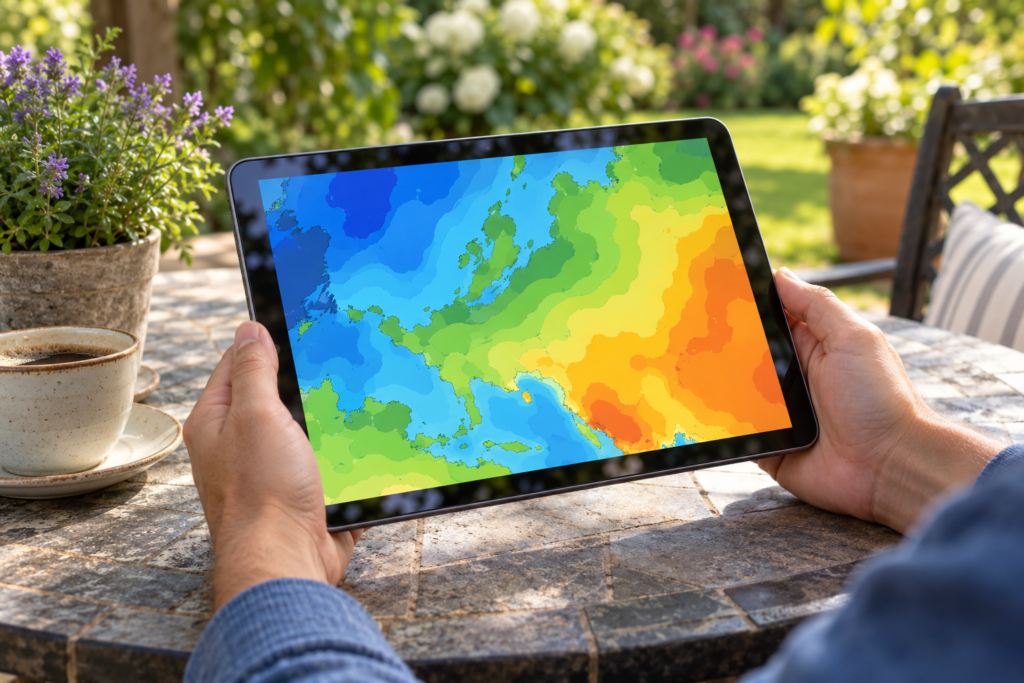
To find your gardening zone, enter your ZIP code into the USDA’s official online Plant Hardiness Zone Map, or locate your address on its interactive map. The result shows your zone and half zone, such as 6b, along with the temperature range it represents. Your zone applies to perennials, trees, and shrubs that must survive winter outdoors.
The official map is published by the USDA’s Agricultural Research Service. Its search tool returns your zone along with the average annual extreme minimum temperature range for your location. You can also zoom into the interactive map to see how zones shift across your region, or download free state and regional maps.
Reading Your Result
A typical result might read something like “Zone 7a: 0 to 5°F.” This means that, on average, the coldest night of the year at your location falls between 0°F and 5°F (roughly −17.8°C to −15°C). Some winters will be milder than that, and occasionally a winter will be colder.
Check Your Zone Even If You Know It
If you last looked up your zone more than a few years ago, check again. The map was updated in 2023, and many locations moved into a different half zone. Plant tags and older gardening books may still reference zones from earlier maps.
If You Live Outside the United States
The USDA map covers the United States, including Alaska, Hawaii, and Puerto Rico. Many other countries have their own systems. Canada publishes a hardiness zone map that also factors in conditions such as snow cover and summer temperatures. In the United Kingdom, the Royal Horticultural Society uses its own hardiness ratings for plants. Several countries in Europe, along with Australia and others, have created USDA-style zone maps using local climate data. Plant tags on internationally sold plants often list USDA zones, so it’s worth knowing roughly which USDA zone your local climate corresponds to.
USDA Hardiness Zone Chart: Temperatures by Zone
Each zone represents a 10°F range of average annual extreme minimum temperatures, with each half zone covering 5°F. The ranges below are given in Fahrenheit, with approximate Celsius equivalents.
- Zone 1: −60 to −50°F (about −51 to −46°C). Found only in the coldest parts of interior Alaska.
- Zone 2: −50 to −40°F (about −46 to −40°C). Parts of Alaska.
- Zone 3: −40 to −30°F (about −40 to −34°C). Parts of Alaska and the coldest areas of the far northern contiguous states.
- Zone 4: −30 to −20°F (about −34 to −29°C). Much of the far northern states and higher mountain areas.
- Zone 5: −20 to −10°F (about −29 to −23°C). Common across parts of the northern Plains, upper Midwest, and interior Northeast.
- Zone 6: −10 to 0°F (about −23 to −18°C). Found across parts of the central states, the lower Midwest, and much of the interior Northeast.
- Zone 7: 0 to 10°F (about −18 to −12°C). Common across parts of the mid-Atlantic, the upper South, and some interior western areas.
- Zone 8: 10 to 20°F (about −12 to −7°C). Found across parts of the Southeast, much of Texas, and lowland areas of the Pacific Northwest.
- Zone 9: 20 to 30°F (about −7 to −1°C). Parts of the Gulf Coast, northern and central Florida, much of California’s valleys, and the low deserts of the Southwest.
- Zone 10: 30 to 40°F (about −1 to 4°C). Parts of southern Florida and coastal Southern California.
- Zone 11: 40 to 50°F (about 4 to 10°C). The warmest tip of Florida, and parts of Hawaii and Puerto Rico.
- Zone 12: 50 to 60°F (about 10 to 16°C). Warm lowland areas of Hawaii and Puerto Rico.
- Zone 13: 60 to 70°F (about 16 to 21°C). The warmest areas of Hawaii and Puerto Rico.
Zones rarely follow neat state lines. Elevation, proximity to large bodies of water, and local terrain create bands and pockets of different zones within a single state and sometimes within a single county.
Did My Gardening Zone Change?
Your zone may have changed. The USDA released an updated map in 2023, replacing the 2012 version. About half of the country shifted into the next warmer half zone, for example from 6a to 6b, while the rest stayed in the same half zone. Checking your ZIP code on the current map shows your updated zone.
The shift has two causes. Part of it reflects warmer average winter lows over the more recent 30-year period used for the new map. Part of it comes from improvements in how the map was made, including data from many more weather stations and more detailed mapping methods, which produced local changes that aren’t related to climate at all.
A half-zone shift doesn’t mean your coldest winters are gone. Occasional extreme cold snaps still occur, and a plant that’s only just hardy in your new zone may still be damaged in an unusually harsh winter.
How to Use Your Zone to Choose Plants
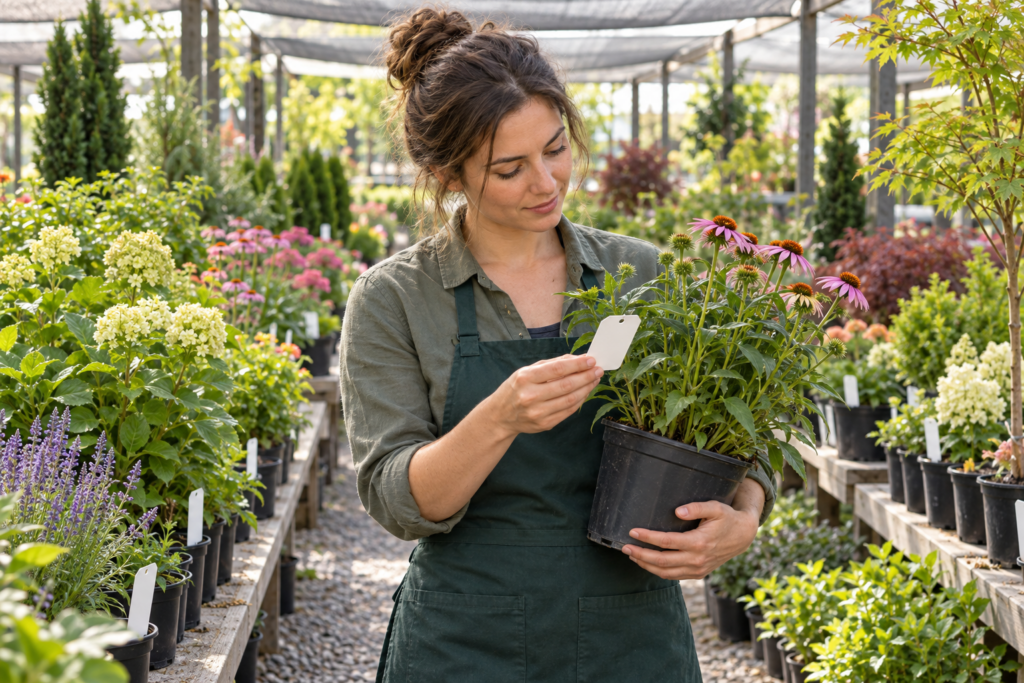
Once you know your zone, it becomes a simple filter for choosing plants that can survive your winters.
Reading Plant Labels
Most plant tags and catalog descriptions list a zone range, such as “Zones 4–8.” The first number is the coldest zone where the plant is expected to survive winter. The second number is the warmest zone where it’s expected to grow well.
- The lower number reflects cold hardiness. A plant labeled zones 4–8 can typically survive winters in zone 4.
- The upper number reflects tolerance for heat and mild winters. Many plants struggle in warmer zones because of summer heat, humidity, or winters that are too mild to give them the cold rest period they need.
If your zone falls within the range, the plant is a good candidate. If your zone is colder than the lowest number, the plant is unlikely to survive winter without protection. If your zone is warmer than the highest number, the plant may survive winter but struggle in summer heat or fail to flower or fruit well.
Choosing Perennials, Trees, and Shrubs
For plants you expect to last for years, the hardiness zone matters most. Many experienced gardeners choose permanent plants rated to at least one zone colder than their own, particularly for expensive trees and shrubs. That extra margin protects against the occasional winter that dips below average.
Annuals and Vegetables
Annual flowers and most vegetables live for a single growing season, so their hardiness zone matters little. What matters for them is timing: planting after the last spring frost, harvesting before the first autumn frost, and choosing varieties that mature within your growing season. Some plants that are perennials in warm zones, such as peppers, geraniums, and many tropical flowers, are grown as annuals in colder zones.
Plants in Containers
Plants in containers are more exposed to cold than plants in the ground, since their roots aren’t insulated by surrounding soil. A common guideline is to choose container plants that are hardy to one or two zones colder than your own if they’ll stay outdoors all winter, or to move pots to a sheltered spot during the coldest months.
Buying Plants Locally
Nurseries and big-box stores sometimes stock plants that aren’t reliably hardy in their area. Always check the zone range on the tag rather than assuming a plant for sale locally will survive local winters. Independent local nurseries often have staff who know which plants perform well in your region.
Can I Grow Plants Outside My Zone?
Yes, with care. Plants rated one zone warmer than yours can often survive in sheltered microclimates, with heavy mulch, or with winter protection. This practice is sometimes called “zone pushing.” Growing plants rated two or more zones warmer is riskier and usually requires moving them indoors or into a greenhouse for winter.
Tender plants can also be grown as annuals, replaced each year, or kept in containers that come inside for winter. Figs, rosemary, citrus, and many tropical plants are grown this way by gardeners in colder zones.
What Hardiness Zones Don’t Tell You
The hardiness zone map is extremely useful, but it measures only one thing: average winter cold. Many other factors decide whether a plant thrives in your garden.
Summer Heat
Two locations in the same hardiness zone can have very different summers. A zone 8 garden in the humid Southeast and a zone 8 garden in the mild Pacific Northwest share similar winter lows but have completely different summer heat. Plants that thrive in cool summers may struggle in hot, humid ones, and vice versa.
To address this, the American Horticultural Society publishes a separate Plant Heat Zone Map, which divides the country into zones based on the average number of days each year above 86°F (30°C), the temperature at which many plants begin to suffer heat stress. Some plant labels include both a hardiness zone and a heat zone.
Humidity and Rainfall
Humidity and rainfall strongly affect plant health. Plants from dry climates, such as lavender and many succulents, may rot in humid, rainy regions even when temperatures suit them. Moisture-loving plants may struggle in dry climates without regular irrigation.
Frost Dates and Growing Season Length
Your hardiness zone doesn’t tell you when to plant vegetables or annuals. For that, you need your average last spring frost date and first autumn frost date, which define your growing season. Two gardens in the same zone can have different frost dates depending on elevation, latitude, and local geography.
Snow Cover
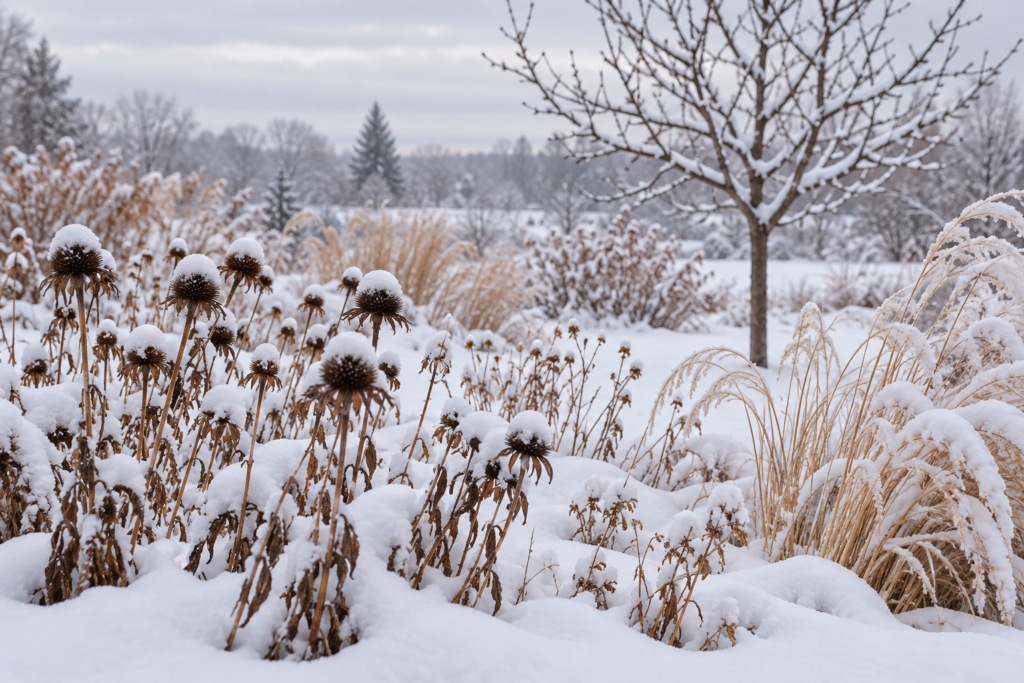
A steady blanket of snow insulates the soil and protects plant roots from the coldest air temperatures. Gardens with reliable snow cover can sometimes grow plants that would struggle in a location with the same winter lows but bare, frozen ground.
Duration of Cold and Winter Fluctuations
The map records the coldest night on average, not how long cold spells last or how often temperatures swing between freezing and thawing. Repeated freeze-thaw cycles can heave plants out of the soil and damage buds. Late spring frosts, which aren’t reflected in the zone map, can kill new growth and fruit blossoms even on fully hardy plants.
Chill Hours for Fruit Trees
Many fruit trees, including apples, peaches, cherries, and blueberries, need a certain number of hours at cool temperatures, roughly between 32°F and 45°F (0–7°C), during winter to flower and fruit properly. These are called chill hours. In warm zones, winters may not provide enough chilling for standard varieties, so gardeners choose low-chill varieties instead. Check chill hour requirements, not just hardiness zones, when choosing fruit trees.
Soil, Wind, and Light
Soil type, drainage, exposure to wind, and the amount of sun a spot receives all affect how well a plant grows and how well it survives winter. A plant in wet, heavy soil may die in winter from root rot even when temperatures are well within its hardiness range.
Regional Climate Zone Systems
Because hardiness zones don’t capture everything, some regions use more detailed systems. Gardeners in the western United States, for example, often use a regional climate zone system that accounts for elevation, ocean influence, summer heat, humidity, and rainfall alongside winter lows.
Microclimates: Making Your Zone Work for You
Your USDA zone describes the general climate of your area, but conditions within your own yard can vary noticeably. These small variations, called microclimates, can be used to grow a wider range of plants.
Finding Warm and Cold Spots
Warmer spots include areas beside south- or west-facing walls (in the Northern Hemisphere), which absorb heat during the day and release it at night; spaces sheltered from wind; areas near paved surfaces and buildings; and urban gardens, which often stay warmer than surrounding rural areas.
Colder spots include low-lying areas where cold air settles on still nights, known as frost pockets; exposed, windy sites; north-facing slopes and walls; and areas shaded throughout winter.
A max-min thermometer placed in different parts of the yard over a winter can reveal surprisingly large differences.
Using Microclimates to Your Advantage
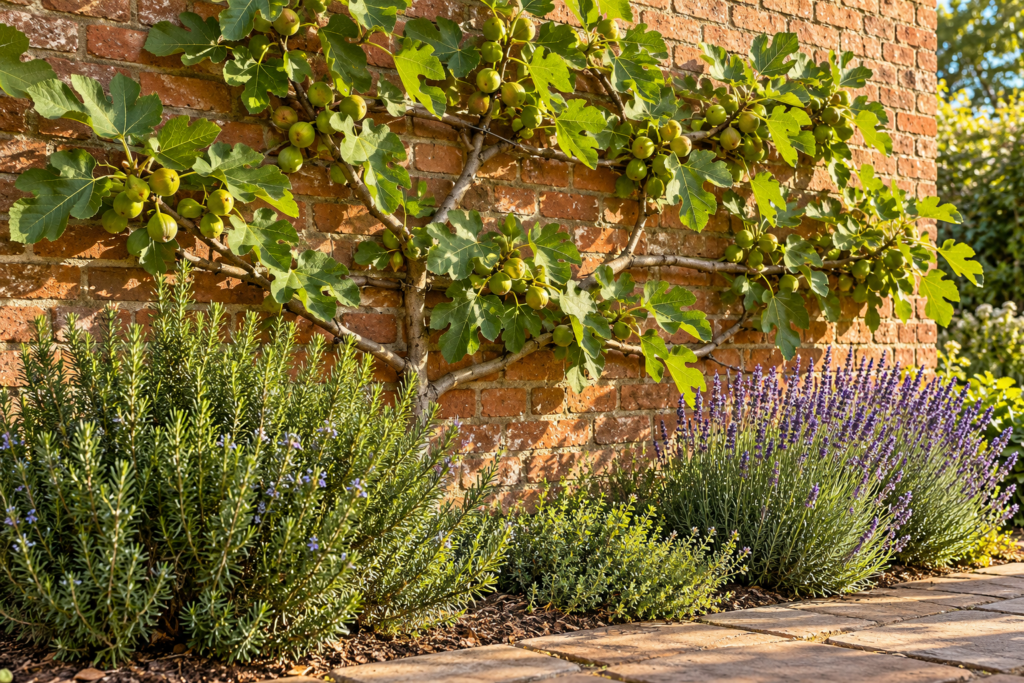
- Plant borderline-hardy plants in warm spots, such as against a sunny brick wall. Figs, rosemary, and tender perennials often survive there when they’d fail elsewhere in the same yard.
- Keep tender plants out of frost pockets. Fruit trees in low spots are more likely to lose blossoms to late frosts.
- Create shelter. Hedges, fences, and windbreaks reduce cold, drying winter winds.
- Mulch heavily around marginal perennials in late autumn to insulate their roots.
- Use raised beds for plants that dislike cold, wet winter soil. Raised beds drain better, though they can freeze faster than in-ground soil in very cold climates.
- Use cold frames, cloches, and greenhouses to extend the season and protect tender plants.
- Grow tender plants in containers that can be moved to a garage, porch, or indoors for winter.
Build Your Own Planting Calendar
Combine your hardiness zone with your frost dates to create a simple planting plan: your zone guides which perennials, trees, and shrubs to plant, while your frost dates guide when to sow and plant vegetables and annuals. Keep notes each year on first and last frosts, extreme temperatures, and which plants thrived or failed. Over time, these records give you a far more precise picture of your garden’s climate than any map.
Common Mistakes With Hardiness Zones
Using an outdated zone. Check the current map, since many locations changed in the 2023 update.
Ignoring the upper zone number. A plant can survive winter but fail in hot summers or mild winters.
Using zones to time vegetable planting. Frost dates, not zones, determine when to plant annual crops.
Assuming local stores only sell hardy plants. Always check the tag.
Planting at the edge of hardiness without protection. Plants rated exactly for your zone can still be lost in an unusually cold winter.
Ignoring microclimates. The warmest and coldest spots in your yard can differ by a full zone or more.
Your hardiness zone is a starting point, not a final answer. Use it to narrow down plant choices, then refine those choices with your frost dates, summer conditions, soil, and the particular corners of your own garden.
Frequently Asked Questions
What is the best USDA zone for gardening?
No single zone is best. Every zone has plants that thrive there and plants that struggle. Colder zones suit apples, peonies, lilacs, and many hardy perennials that need a winter chill, while warmer zones support citrus, tropical plants, and year-round vegetable growing. The best approach is to choose plants suited to your own zone and conditions.
How often is the USDA hardiness zone map updated?
The USDA hardiness zone map has been updated roughly every one to two decades as more climate data becomes available. The current version was released in 2023, replacing the 2012 map. Updates reflect both changes in winter temperatures over time and improvements in data collection and mapping techniques.
Can I use USDA zones if I don’t live in the United States?
Yes, as a general guide. Many plant labels list USDA zones even outside the United States, so it helps to know roughly which USDA zone matches your local winter lows. Many countries, including Canada, the United Kingdom, and Australia, have their own hardiness systems or USDA-style maps based on local data, which are more accurate for those regions.
How do I find my first and last frost dates?
Local agricultural extension services, national weather services, and many gardening apps publish average first and last frost dates by location. These dates are averages, so there’s still a chance of frost after the last frost date. Many gardeners wait a week or two past the average date before planting frost-tender crops.
Which USDA zones can grow citrus outdoors?
Most citrus trees grow outdoors year-round in zones 9 through 11, with some cold-tolerant types, such as certain mandarins and kumquats, surviving in the warmer parts of zone 8 with protection. In colder zones, citrus is commonly grown in containers that are moved indoors or into a greenhouse for winter.
Does elevation affect my hardiness zone?
Yes. Temperatures generally drop as elevation increases, so mountainous areas often have colder zones than nearby valleys. The current USDA map accounts for elevation in its detailed mapping, but local conditions such as slopes, valleys, and frost pockets can still create differences within a small area.
Are hardiness zones the same as growing zones?
The terms are often used interchangeably, but “hardiness zone” specifically refers to average winter cold and a plant’s ability to survive it. “Growing zone” is a more casual term that people sometimes use to include frost dates, season length, and general climate. When a plant label lists a zone, it almost always refers to the USDA hardiness zone.
Keep Learning
For more beginner help, see How to Start a Garden: The Complete Beginner’s Guide, How to Start a Vegetable Garden: Step-by-Step Guide for Beginners, and Farmers’ Almanac Planting Calendar: How to Use It for Your Garden.

One Comment