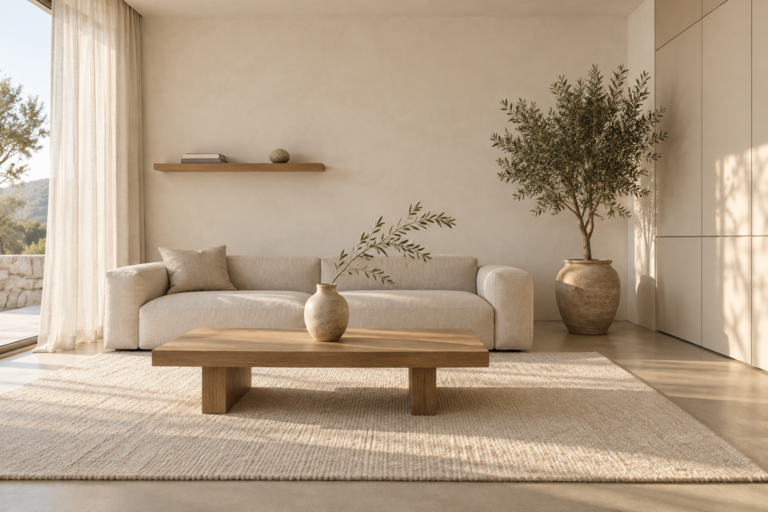
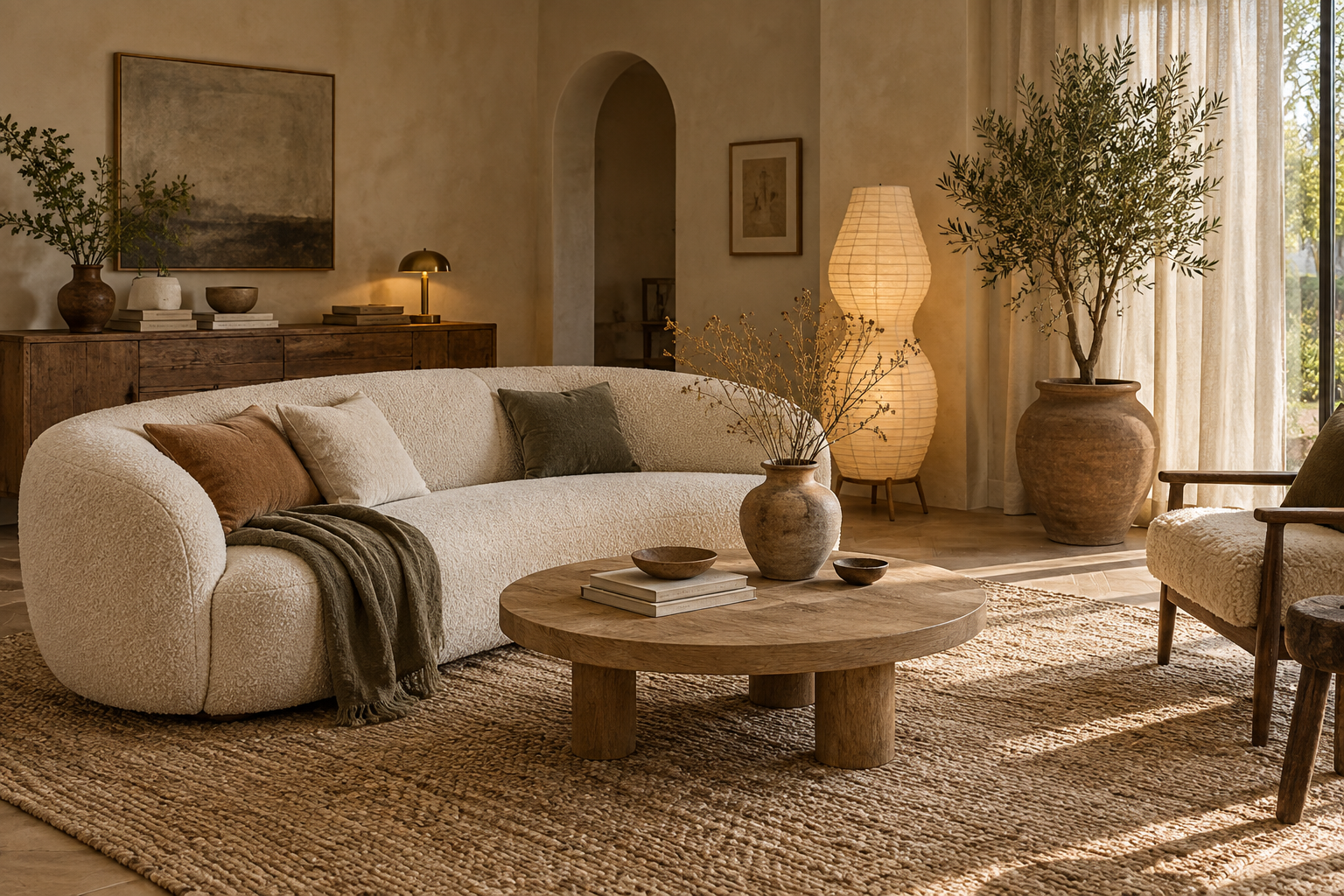
Interior Design Ideas and Trends for Every Home, Style, and Budget
Scroll through any home feed for ten minutes and you’ll see a dozen rooms that look wonderful and have almost nothing in common. One is all curved plaster and pale oak, the next is drenched in oxblood red, and the one after that is a cheerful clutter of thrifted lamps and patterned rugs. Trends move…
Scroll through any home feed for ten minutes and you’ll see a dozen rooms that look wonderful and have almost nothing in common. One is all curved plaster and pale oak, the next is drenched in oxblood red, and the one after that is a cheerful clutter of thrifted lamps and patterned rugs. Trends move quickly, and it’s easy to come away inspired but unsure what would actually work in your own home.
The good news is that the rooms people love most, whatever their style, tend to follow the same handful of principles underneath. Once you understand those, trends stop being a checklist to chase and become a menu you can order from selectively. A warm color here, a curved chair there, a better lighting plan everywhere.
This guide starts with the design fundamentals that make any room work, then walks through the trends shaping homes right now and which ones are likely to last. From there it gets practical, with room-by-room ideas, strategies for small spaces and rentals, ways to decorate well on a modest budget, and a straightforward method for finding a style that feels like yours.
The Design Principles Behind Every Good Room
Every well-designed room, from minimalist to maximalist, relies on a few core principles: a clear focal point, furniture scaled to the space, balance between visual weight on each side, layered lighting, and a comfortable path to walk through. Get these right and almost any style or trend will look intentional.
It’s worth slowing down on each of these, because they explain why a room can be full of expensive furniture and still feel wrong.
Start with a focal point
A room without a focal point makes the eye wander. It might be a fireplace, a large window with a view, a bed with a strong headboard, or a single large artwork. Arrange the main seating or furniture to acknowledge it, and resist creating three competing focal points in one space. In open-plan homes, each zone can have its own anchor, such as a pendant over the dining table and a rug beneath the living area.
Scale and proportion
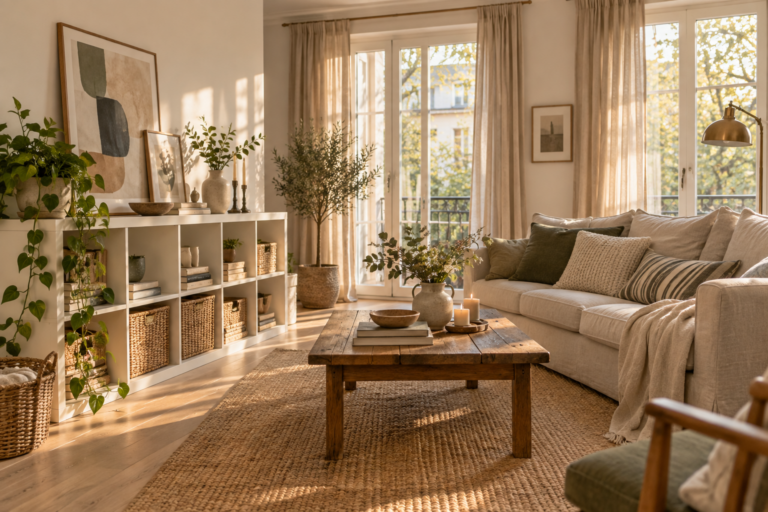
Scale is the most common thing people get wrong. A tiny rug floating in the middle of a large living room makes the furniture look disconnected, while an oversized sectional in a small room swallows it. A few long-standing rules of thumb help. In a living room, the rug should be large enough that at least the front legs of the sofa and chairs sit on it. A coffee table typically works best at roughly two-thirds the length of the sofa, placed around 16 to 18 inches away so it’s reachable but not cramped. Artwork above a sofa generally looks right at about two-thirds of the sofa’s width.
Balance and visual weight
Balance doesn’t mean symmetry. A symmetrical layout, with matching lamps and chairs on either side of a fireplace, feels formal and calm. An asymmetrical one feels relaxed, but it still needs equal visual weight. A tall bookcase on one side of a window might be balanced by a large plant and a leaning mirror on the other. Dark colors, heavy materials, and solid shapes carry more visual weight than pale, leggy, or open pieces.
Layered lighting
Most rooms rely on a single overhead fixture, which is the fastest way to make a space feel flat. Designers work in three layers: ambient light for general brightness, task light for reading, cooking, or working, and accent light to highlight art, shelving, or texture. A living room with a ceiling light, a reading lamp beside a chair, and a small lamp on a bookshelf feels completely different in the evening from the same room with only the ceiling light on. Warm bulbs, generally in the 2700K to 3000K range, keep living spaces cozy.
Flow and function
A room has to work before it can look good. Leave clear walkways, ideally around three feet wide in main paths, and keep the route between doorways free of furniture. Think about how the space is actually used. If the family eats in front of the television, a beautiful dining table nobody sits at is less useful than a comfortable sofa with a sturdy coffee table.
The 60-30-10 color rule
A reliable way to build a color scheme is to use a dominant color for about 60 percent of the room, usually walls and large furniture, a secondary color for about 30 percent, such as upholstery or curtains, and an accent color for the final 10 percent through cushions, art, and accessories. It’s a guideline rather than a law, but it stops a room from feeling either monotonous or chaotic.
Interior Design Trends Shaping Homes Right Now
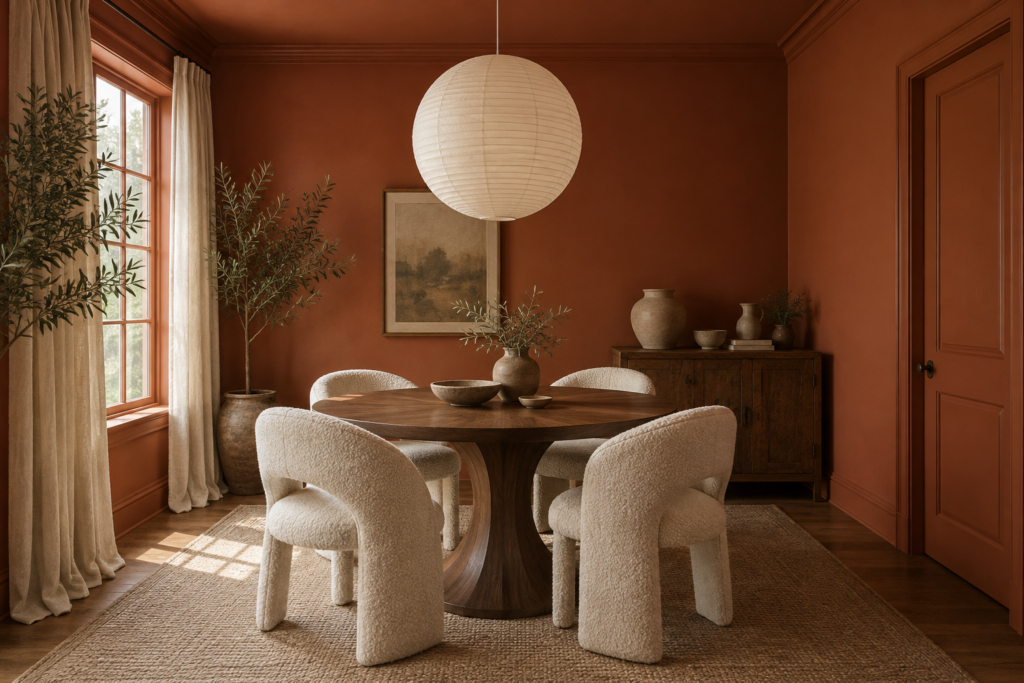
The broad direction in interior design has moved away from cold, stark rooms toward spaces that feel warm, tactile, and personal. Several strands keep showing up across styles and price points.
Warm, earthy color palettes
The long reign of cool gray has given way to warmer neutrals: cream, mushroom, clay, sand, and soft caramel. Earthy accent colors such as olive, terracotta, rust, and deep chocolate brown pair naturally with them. These shades feel inviting in both bright and dim rooms, and they flatter wood and natural fabrics far more than gray does.
Color drenching
At the bolder end, color drenching means painting walls, trim, doors, and sometimes the ceiling in the same color or close tones of it. The effect is enveloping and surprisingly modern. It works especially well in small rooms like powder rooms, studies, and dining rooms, where the edges of the room seem to blur and the space feels more intentional rather than smaller.
Curves and soft shapes
Rounded sofas, arched mirrors, pill-shaped side tables, and scalloped edges soften rooms full of straight lines. Curves also help traffic flow in tight spaces, since there are no sharp corners to bump into. A single curved piece, such as a round dining table or an arched headboard, is often enough to shift the feel of a room.
Natural materials and texture
Texture has become as important as color. Limewash and plaster-effect walls add gentle movement to paint. Boucle, linen, wool, jute, rattan, travertine, and unlacquered brass all show up widely. Medium and darker wood tones, such as walnut and warm oak, have been replacing very pale and gray-washed finishes. The common thread is materials that look better with a little wear.
Vintage and secondhand pieces
Mixing old with new is one of the most enduring shifts in how people furnish homes. A vintage dresser in a new bedroom, an antique rug under a modern sofa, or a thrifted lamp on a sleek console adds character that a fully matched furniture set can’t. It’s also more sustainable and often more affordable.
Japandi and quiet, calm spaces
Japandi blends Japanese restraint with Scandinavian warmth: low furniture, natural wood, handmade ceramics, muted colors, and very little clutter. More broadly, many people are designing for calm, favoring fewer and better pieces, concealed storage, and soft, diffused light.
Biophilic design
Biophilic design brings nature indoors, not just through houseplants but through natural light, views, organic shapes, and natural materials. A large potted olive tree or fiddle leaf fig, stone surfaces, and window treatments that maximize daylight all belong to this idea.
Which interior design trends will last, and which will date fast?
Trends rooted in comfort, function, and natural materials tend to last, including layered lighting, warm neutrals, wood, texture, and mixing vintage with new. Trends tied to a single striking look, such as one very specific color, heavily patterned tile, or novelty furniture shapes, date faster. Use those in easy-to-change places.
A practical approach is to put trends where they’re cheap and simple to swap. Paint, cushions, throws, lampshades, and art can follow whatever you love this year. Expensive and permanent elements, like kitchen cabinetry, bathroom tile, flooring, and your main sofa, deserve a more timeless choice. If you adore a bold trend, try it first in a small room or on a single piece of furniture before committing a whole floor to it.
Room-by-Room Interior Design Ideas
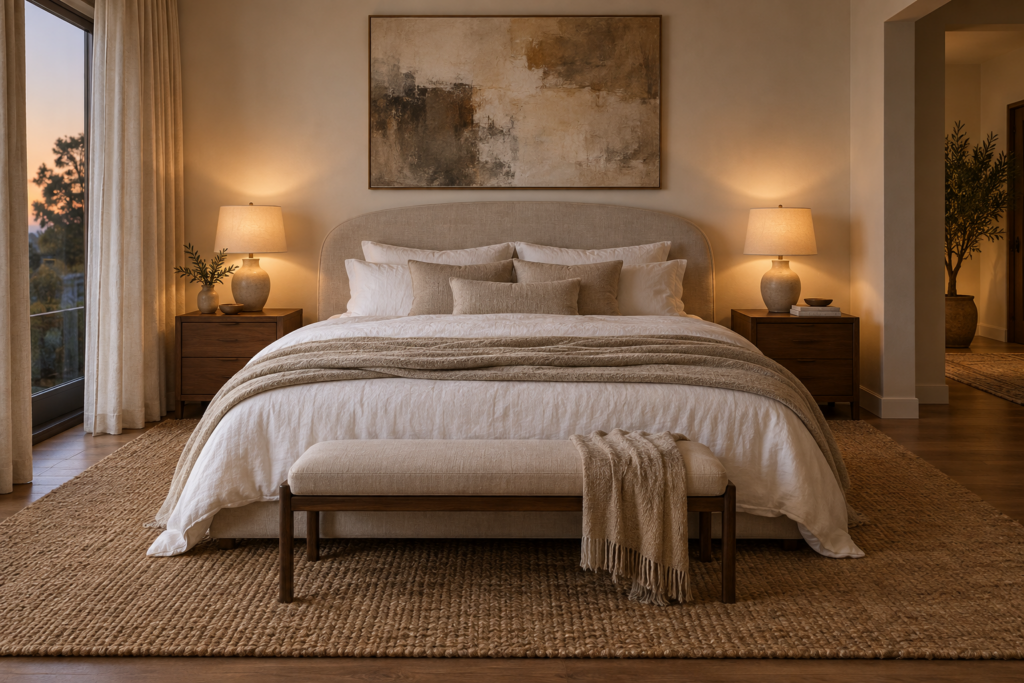
Each room has different demands, so the same trend can play out very differently from one space to the next.
Living room
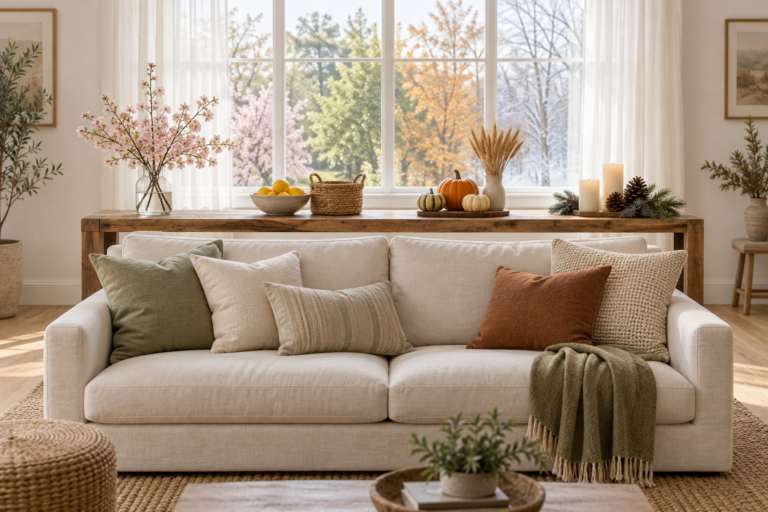
The living room is about conversation and comfort. Arrange seating so people can talk without shouting across the room, usually within about eight to ten feet of each other. Pull furniture away from the walls if the room allows it; even a few inches of breathing room makes a space feel more considered. Mix materials: a linen sofa, a leather or wood chair, a wool rug, and a stone or wood coffee table create depth without adding color. Add at least two lamps at different heights so the room works after sunset.
Kitchen
Kitchens are expensive to change, so the easiest updates happen above the countertop. Swapping cabinet hardware, adding a statement pendant over an island, or replacing a dated backsplash can change the whole character of the room. Open shelving works well for one short run of everyday dishes and cookbooks, but most people find a whole kitchen of open shelves hard to keep tidy. Under-cabinet lighting is one of the most useful upgrades, improving task light for cooking and making the room glow in the evening.
Dining room or dining area
A dining space needs a strong anchor, usually a pendant light hung centered over the table. Mixing chairs, such as upholstered chairs at the ends and wooden ones along the sides, adds interest without clashing. Round tables suit small spaces and encourage conversation, while rectangular tables fit narrow rooms better. A rug under a dining table should extend far enough that chairs stay on it when pulled out.
Bedroom
The bedroom should feel restful above all. Keep the palette soft and the surfaces relatively clear. A headboard, whether upholstered, wooden, or even a painted arch on the wall, gives the bed presence. Hang curtains high and wide, about four to six inches above the window frame and extending past its sides, so windows look larger and the room feels taller. Layered bedding in natural fabrics and bedside lamps with warm, dimmable light do more for comfort than any statement piece.
Bathroom
Bathrooms are a natural place for a little drama because you don’t spend long in them. A color-drenched powder room, a vintage mirror, or wallpaper in a moisture-appropriate finish can make a small bathroom memorable. In a main bathroom, focus on good lighting at face level on either side of the mirror, plenty of storage, and plush towels. Brushed brass, matte black, and warm nickel fixtures remain popular alternatives to standard chrome.
Home office
Many homes now include a workspace, even if it’s a corner of the bedroom. Place the desk near natural light but perpendicular to a window to reduce screen glare. A proper task lamp, a supportive chair, and closed storage for paperwork make the space usable. To keep a home office from feeling corporate, add a rug, a plant, art, and a comfortable secondary seat if space allows.
Entryway
Even a narrow hallway can do a lot. A slim console or wall-mounted shelf, a mirror for a last check before leaving, hooks or a bench for coats and bags, and a durable runner create a proper welcome. The entry is also a good place to preview the color palette of the rest of the home.
Design Ideas for Small Spaces and Rentals
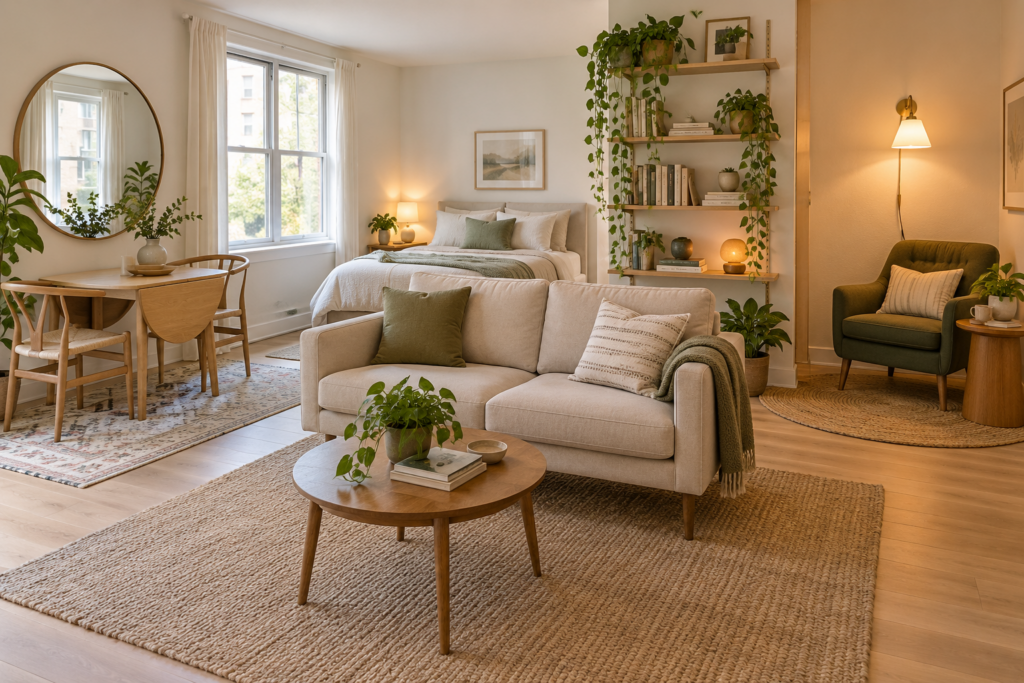
How to make a small room look bigger
To make a small room look bigger, use light or consistent wall colors, hang curtains high and wide, choose furniture with visible legs, add a large mirror opposite or beside a window, and pick a rug big enough to sit under the main furniture. Fewer, well-scaled pieces make a room feel larger than many small ones.
It sounds backwards, but a small room full of small furniture looks busier and more cramped than one with a few properly sized pieces. A full-size sofa with slim arms can be better than a loveseat plus two chairs. Furniture raised on legs lets you see the floor underneath, which reads as more space.
Vertical space is valuable. Tall bookcases, shelves mounted high, and art hung in a vertical grouping draw the eye upward. Built-in or wall-mounted storage keeps floors clear. Glass, acrylic, and mirrored furniture take up less visual weight, and a round mirror or a mirrored cabinet can double the perceived depth of a narrow room.
Multifunctional furniture earns its place in small homes. Think of an ottoman with storage inside, a drop-leaf dining table, a bed with drawers underneath, or a console that can extend into a desk. In a studio apartment, rugs and lighting can define separate zones for sleeping, eating, and relaxing without walls.
Decorating a rental without permanent changes
Rentals limit paint and fixtures, but they don’t have to limit style. Focus on everything that moves with you. Rugs cover tired flooring. Plug-in wall sconces add warm light without rewiring. Large art and mirrors can lean on furniture or the floor instead of being hung. Swapping cabinet knobs and keeping the originals in a labeled bag lets you personalize a kitchen and restore it before moving out.
Peel-and-stick wallpaper can transform an accent wall, but test it first on a hidden spot for a couple of weeks, since some wall finishes lift when it’s removed. Removable adhesive hooks and strips work best on smooth, fully cured paint. Always check your lease and ask the landlord in writing before painting, and photograph every room when you move in so there’s no dispute later.
Decorating on a Budget Without Looking Cheap
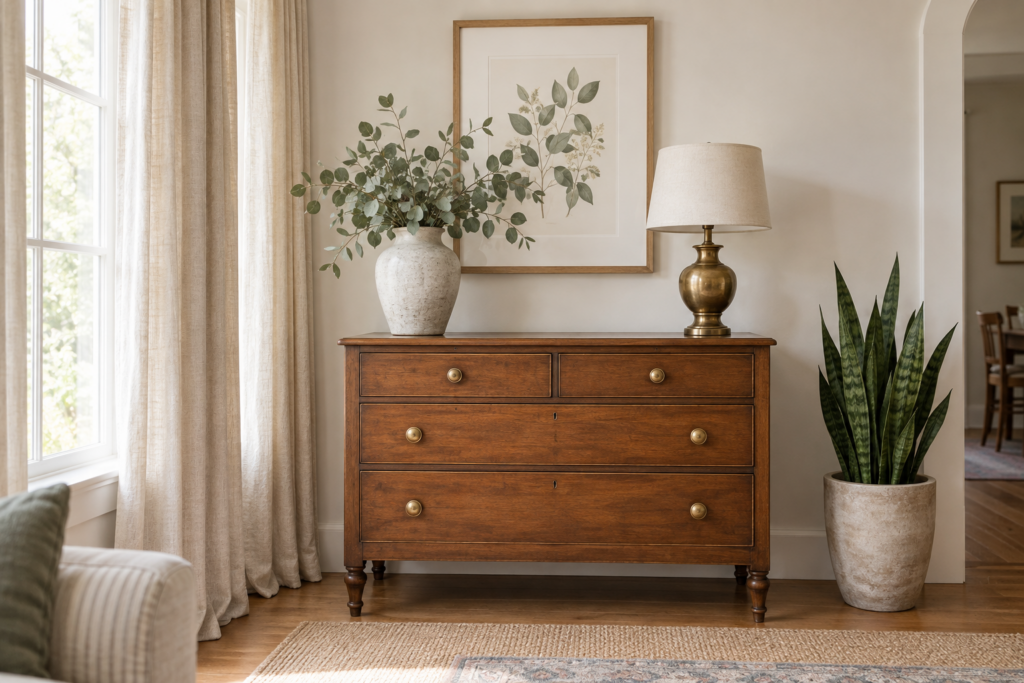
How can I decorate my home on a small budget?
Decorate on a budget by spending on the pieces you use most, like the sofa, mattress, and lighting, and saving on accessories. Paint is the cheapest big transformation. Shop secondhand for solid wood furniture, frame inexpensive prints well, and rearrange what you already own before buying anything new.
Before buying anything, try rearranging. Moving a sofa to face the focal point, swapping lamps between rooms, or regrouping art often solves problems that seemed to need a shopping trip.
Paint remains the most powerful low-cost change in any home. A new wall color, a painted ceiling, or refreshed trim can make an entire room feel renovated in a weekend. Sample several shades on large swatches and look at them in morning and evening light, since colors shift noticeably through the day.
Secondhand shopping is where budgets stretch furthest. Thrift stores, estate sales, flea markets, and online local listings are full of solid wood dressers, side tables, and chairs that outlast newer flat-pack furniture. Look past dated finishes and focus on shape and construction. A sanded and refinished dresser or a reupholstered chair can look far more expensive than a new piece at the same price.
A few details reliably make rooms look more expensive:
Hang curtains properly. Curtains that are too short, or hung just above the window frame, look cheap. Floor-length panels mounted high instantly lift a room.
Upgrade the lighting. Replacing a builder-grade ceiling fixture and adding lamps changes a room more than new accessories.
Frame art well. Inexpensive prints in quality frames with generous mats look like gallery pieces.
Swap hardware. New knobs, pulls, and switch plates refresh kitchens, bathrooms, and furniture for relatively little money.
Choose fewer, larger accessories. A single large vase or sculptural object looks more deliberate than a cluster of small trinkets.
Add plants. Healthy greenery brings life, color, and texture to any room at a modest cost.
Finally, give yourself time. Rooms that are furnished all at once from a single store rarely have much character. Building a space gradually, adding pieces as you find ones you love, produces a home that feels collected rather than purchased.
How to Find Your Style and Blend Trends With What You Already Own
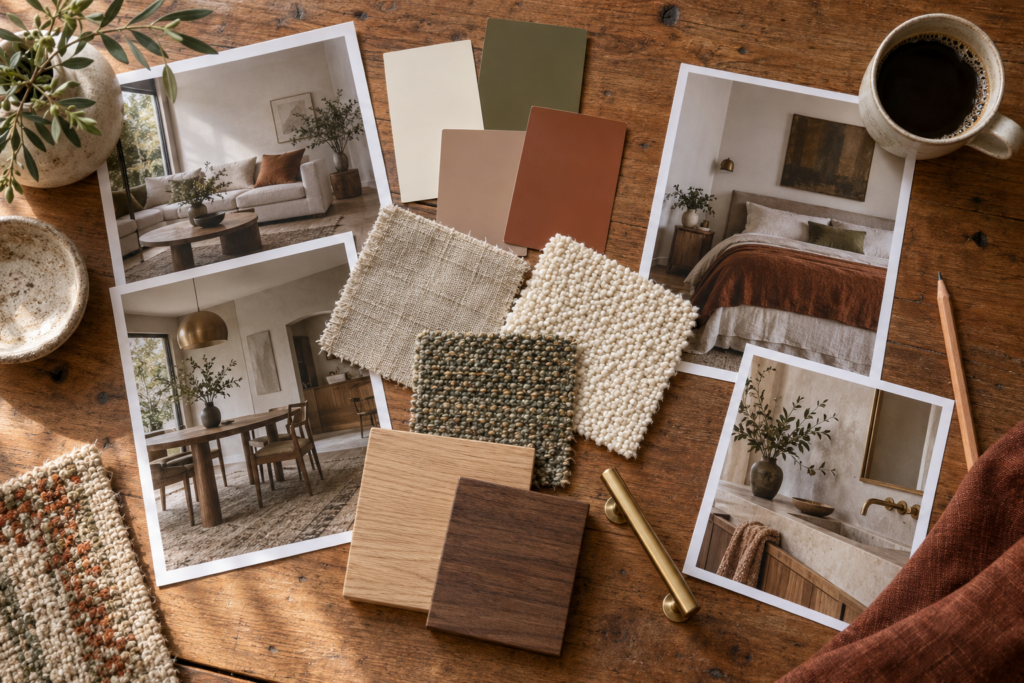
Most people don’t fit neatly into one style label, and they don’t need to. The goal is a clear point of view, not a category.
Identify what you actually like
Start by collecting images of rooms you love over a few weeks, whether saved online or torn from magazines. Then look for patterns rather than individual pieces. Are most of the rooms light or dark? Full or sparse? Do they favor wood or painted finishes, pattern or plain fabrics, curves or clean lines? Those patterns reveal your preferences far better than any style quiz.
It helps to name three words that describe how you want your home to feel, such as calm, warm, and collected, or bright, playful, and practical. When you’re deciding on a purchase, check it against those words.
Build a whole-home color palette
A home feels cohesive when rooms relate to each other, especially where they’re visible from one another. Choose a core palette of three to five colors, including a main neutral, one or two supporting shades, and an accent or two. Each room can emphasize different colors from that palette, so a living room might lean toward the neutral and olive while a bedroom leans toward clay and cream. Repeating a wood tone or metal finish from room to room strengthens the connection.
How do you mix interior design styles?
Mix interior design styles by finding a common thread between them, such as a shared color palette, repeated materials, or similar lines and shapes. Choose one style as the dominant base and let the other appear as accents, roughly in a 70 to 30 or 80 to 20 balance, so the room feels deliberate rather than confused.
A modern sofa can sit comfortably with a traditional rug if they share a color. A rustic farmhouse table pairs well with sleek chairs when the wood tone repeats elsewhere in the room. Transitional style, which blends traditional shapes with contemporary simplicity, is essentially a formalized version of this mix, and it remains popular because it adapts to almost any home.
Working trends into the home you already have
You don’t need to replace everything to feel current. Keep the solid pieces you already own and update around them. A traditional sofa can feel fresh with a curved coffee table, earthy cushions, and a textured throw. Older wood furniture fits right into the current appetite for warm, natural materials. A gray-walled room can move toward today’s warmer look through a rug, curtains, and art in clay, rust, or olive before you ever repaint.
Edit as you add. Each time something new comes in, consider whether something else can leave. Homes that feel effortless usually have fewer items than you’d expect, each chosen with care.
Frequently Asked Questions
What is the most popular interior design style right now?
No single style dominates, but warm, natural, and relaxed approaches are among the most widely used. Modern organic design, Japandi, transitional style, and eclectic homes that mix vintage and new pieces are especially common. They share warm neutrals, natural materials, and a focus on comfort over strict formality.
Are gray walls out of style?
Cool grays have become less fashionable as warmer neutrals like cream, greige, sand, and mushroom have gained popularity. That said, gray walls aren’t a mistake. If you have them, you can warm the room with wood tones, earthy textiles, brass accents, and warm lighting rather than repainting straight away.
How do I choose paint colors that go together throughout my house?
Choose a core palette of three to five colors and use them in different proportions from room to room. Pick one main neutral for connecting spaces like hallways, then let individual rooms emphasize supporting or accent shades. Test large paint samples on several walls and view them in daylight and evening light before deciding.
What is the cheapest way to update a room?
Painting is usually the cheapest way to make a big change, followed by rearranging furniture and improving lighting. Swapping cushion covers, rehanging curtains higher, adding plants, and updating hardware are also inexpensive and effective. Together, several small changes can make a room feel completely new without buying furniture.
How big should a living room rug be?
A living room rug should be large enough that at least the front legs of the sofa and main chairs rest on it, which visually connects the seating area. In many living rooms that means an 8 by 10 foot rug or larger. A rug that’s too small tends to make the room look disjointed and the furniture appear to float.
How high should I hang curtains?
Hang curtain rods about four to six inches above the top of the window frame, or closer to the ceiling if space allows, and extend them several inches past each side of the frame. Choose panels long enough to touch or just brush the floor. This makes windows look larger and ceilings feel taller.
How do I make my home look expensive without spending much?
Focus on the details that signal quality: floor-length curtains hung high, layered warm lighting, well-framed art, updated hardware, and fewer but larger accessories. Solid secondhand furniture often looks better than new budget pieces. Keeping surfaces edited and uncluttered also makes any room look more polished and considered.
Should every room in my house have the same style?
Rooms don’t need identical styles, but they should feel related, especially in open-plan homes or where rooms are visible from each other. Repeating a color palette, wood tone, or metal finish across the house creates continuity. Private rooms like bedrooms and powder rooms are good places to explore bolder ideas.