
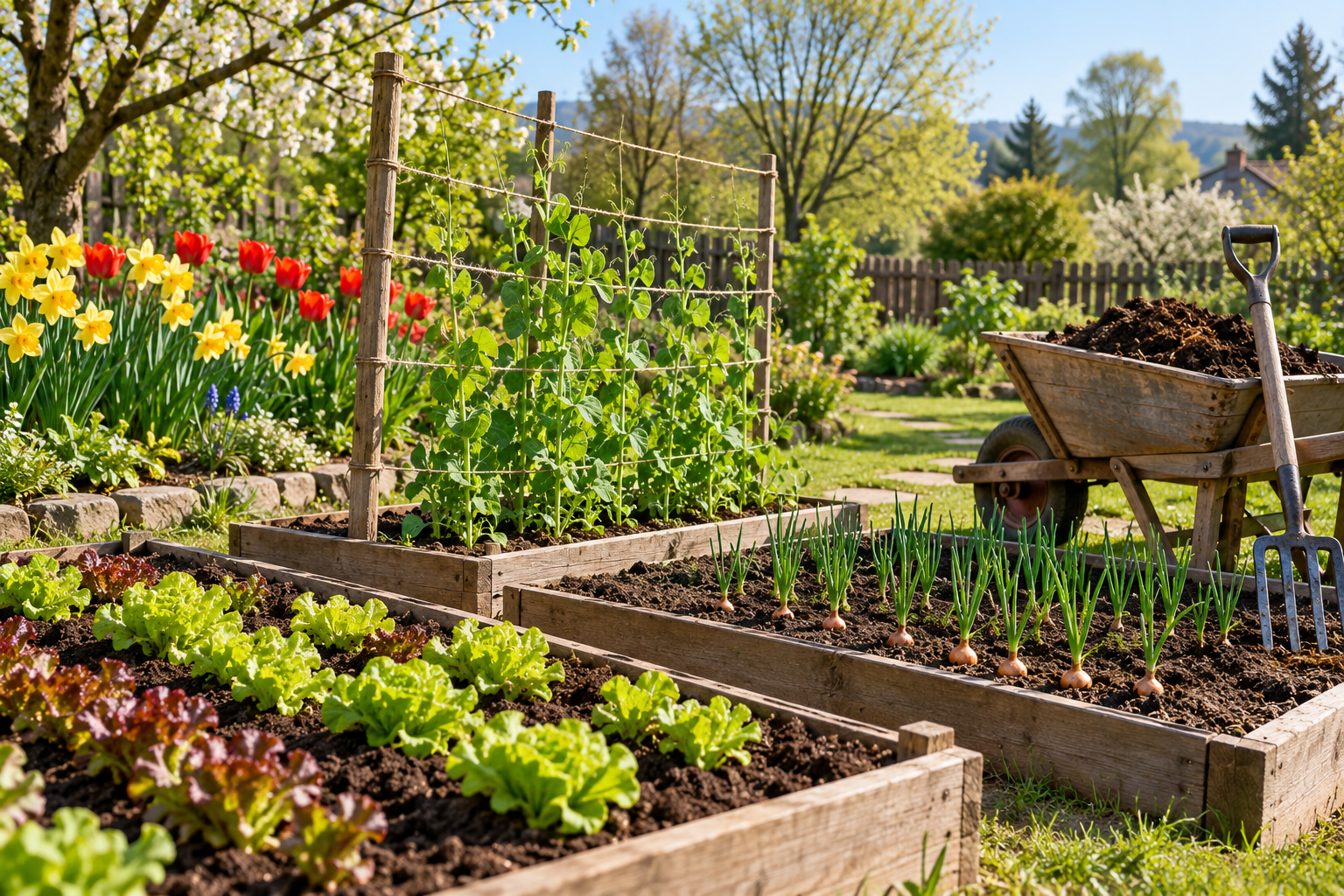
Spring Gardening: What to Plant and How to Prep Your Garden
There’s a morning every year when the air smells different. The soil has thawed, the first daffodils are open, and somewhere a neighbor is already out turning a bed. It’s tempting to rush straight to the garden center and fill the car with tomato plants. Most experienced gardeners hold back, because spring rewards timing and…
There’s a morning every year when the air smells different. The soil has thawed, the first daffodils are open, and somewhere a neighbor is already out turning a bed. It’s tempting to rush straight to the garden center and fill the car with tomato plants. Most experienced gardeners hold back, because spring rewards timing and preparation far more than enthusiasm.
The weeks between the end of winter and the start of summer shape the entire growing year. Beds cleaned and fed now need less work later. Cool-season crops sown at the right moment are harvested before the heat arrives, and warm-season plants set out once the soil is truly warm race ahead of those planted too early.
This guide walks through spring gardening in the order the season unfolds: knowing when to start, cleaning up after winter, preparing the soil, what to plant in early spring, what to plant once frost has passed, and how to care for new plantings through the unpredictable weather that spring always brings.
When Spring Gardening Really Starts
Spring in the garden doesn’t begin on a calendar date. It begins when the soil is workable and the risk of hard frost starts to ease, which can vary by weeks from one region to another and from one year to the next.
When Should You Start Spring Gardening?
Start spring gardening once the ground has thawed and the soil is dry enough to crumble in your hand, usually several weeks before your area’s average last frost. This is the time for cleanup, soil preparation, and sowing hardy cool-season crops. Tender warm-season plants should wait until after the last frost, when soil and nights have warmed.
Your average last spring frost date is the key reference point. Almost every spring task is timed relative to it: hardy crops go in weeks before it, and frost-tender plants go in after it. Local agricultural extension services, weather services, and gardening apps all publish average frost dates by location.
How to Tell if Soil Is Ready to Work
Working soil while it’s still wet damages its structure, compacting it into hard clods that can take months to recover. Before digging or planting, try the squeeze test:
- Take a handful of soil from a few inches down.
- Squeeze it firmly into a ball.
- Poke the ball with a finger.
If the ball crumbles apart, the soil is ready. If it stays in a sticky lump or water drips out, wait a few more days of dry weather and test again.
Nature’s Timing Cues
Before frost dates were widely published, gardeners watched plants and wildlife for signs that the season had turned. This practice, known as phenology, is still a helpful companion to the calendar, since plants respond to actual local conditions rather than averages. Traditional cues include:
- Sow peas and spinach when daffodils bloom.
- Plant potatoes when dandelions flower.
- Plant corn when oak leaves are about the size of a squirrel’s ear.
- Sow beans, squash, and cucumbers when lilacs are in full bloom.
These cues vary by region and aren’t precise, but many gardeners find they line up well with soil temperatures in their own area.
Spring Garden Cleanup: What to Do First
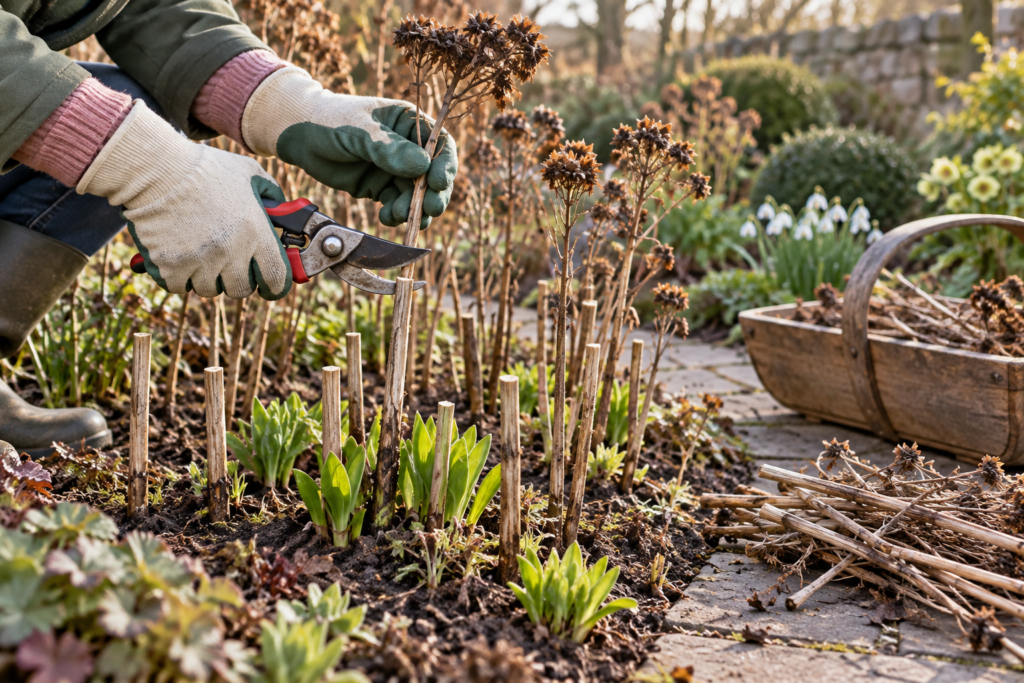
Cleanup sets the stage for everything else. It clears away winter debris, reveals what survived, and gives you a clear picture of what needs attention.
Clear Beds Thoughtfully
Remove dead annuals, fallen branches, and debris from beds, and pull any weeds that have sprouted over winter while they’re small and the soil is soft.
Many beneficial insects, including native bees, ladybugs, and other pollinators, spend winter in hollow stems, leaf litter, and plant debris. A pollinator-friendly approach is to wait until daytime temperatures are consistently mild, around 50°F (10°C), before doing major cleanup. When you cut back last year’s perennial stems, leaving stubs about 12–18 inches (30–45 cm) tall provides nesting sites for stem-nesting bees, and new growth quickly hides them. Leaves can be raked off lawns and moved into beds or compost rather than bagged and discarded.
Cut Back Perennials and Grasses
Cut back the dead stems of perennials that were left standing over winter before new growth gets too tall, so you don’t damage emerging shoots. Ornamental grasses should be cut back to a few inches above the ground in late winter or early spring, before new green blades appear. Evergreen perennials such as hellebores benefit from having old, tattered leaves removed as new flowers and foliage emerge.
Remove Winter Protection Gradually
Pull back winter mulch from perennials, roses, and strawberries gradually as the weather warms, rather than all at once. Leaving a light layer protects emerging shoots from late cold snaps. Remove burlap wraps and shrub covers once hard frosts have passed.
Prune at the Right Time
Spring is the right time to prune many plants, but not all:
- Summer-flowering shrubs that bloom on new growth, such as butterfly bush, smooth hydrangea, and many roses, can be pruned in early spring. A traditional cue for pruning roses is when forsythia blooms.
- Spring-flowering shrubs such as lilac, forsythia, azalea, and flowering quince form their buds the previous year. Prune them just after they finish flowering, or you’ll cut off this year’s blooms.
- Fruit trees are usually pruned in late winter, while still dormant.
- Dead, damaged, or diseased branches can be removed from any plant at any time.
Get Tools and Supplies Ready
- Clean, sharpen, and oil pruners, shears, hoes, and spades.
- Check hoses, sprinklers, and drip lines for leaks and damage after winter.
- Wash and disinfect reused pots and seed trays to prevent disease.
- Repair raised beds, trellises, fences, and supports.
- Clean and set up water butts to collect spring rain.
Preparing Your Soil for Spring Planting
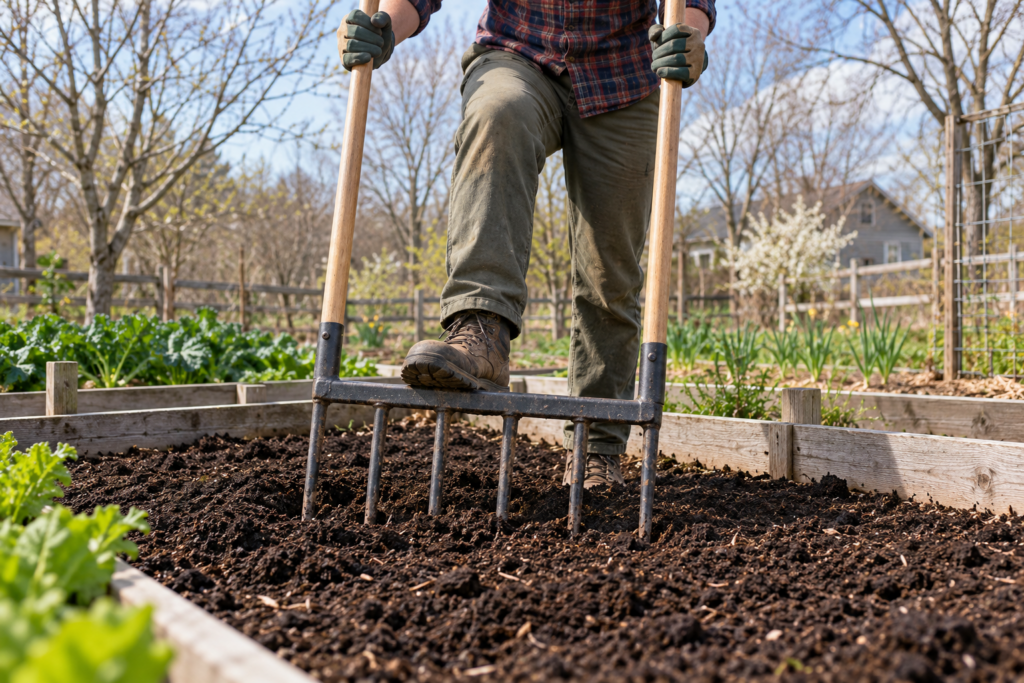
Healthy soil is the foundation of a productive spring and summer garden. A little time spent on soil now pays off for the entire season.
Test Your Soil
If you haven’t tested your soil in the last two to three years, spring is a good time to do it. A soil test shows pH and nutrient levels and tells you exactly what, if anything, needs adding. Test early enough to allow time for any recommended amendments to be worked in before planting.
Add Organic Matter
Spread 1–3 inches (2.5–8 cm) of compost over vegetable beds and annual flower beds, and top-dress perennial beds and around shrubs with a thinner layer. Compost improves soil structure, feeds beneficial soil life, and supplies a slow, steady stream of nutrients. Well-rotted manure and leaf mold are also excellent spring amendments.
If you’re working in a balanced organic fertilizer based on soil test results, spring is the time to add it to vegetable beds, a week or two before planting.
Should You Till Your Garden in Spring?
Tilling isn’t necessary for most home gardens, and repeated tilling can damage soil structure, bring buried weed seeds to the surface, and disrupt earthworms and beneficial fungi. Instead, spread compost on the surface and loosen compacted soil with a garden fork or broadfork. Reserve deeper digging for breaking new ground or incorporating large amounts of amendments.
A broadfork, a wide fork with two handles, lets you loosen soil deeply by stepping it into the ground and rocking it back, without flipping soil layers. For established beds, simply loosening the top few inches with a fork before planting is usually enough.
Handle Cover Crops
If you grew a cover crop over winter, cut it down about two to three weeks before planting, when it begins to flower. Leave the cut material on the surface as mulch, or chop it and lightly mix it into the top few inches of soil. This gives it time to begin breaking down so it doesn’t interfere with seed germination.
Refresh Raised Beds and Containers
Raised bed soil settles over winter. Top up beds with compost or a raised bed mix to restore the soil level. For containers, refresh used potting mix by removing old roots and blending in fresh compost or new mix, or replace it entirely if last year’s plants had disease problems.
Warm the Soil for an Earlier Start
To get a head start, cover beds with black plastic, clear plastic, or row covers for a week or two before planting. This warms the soil, helping seeds germinate faster and transplants settle in. Cloches and cold frames also create warmer pockets for early sowings.
What to Plant in Early Spring
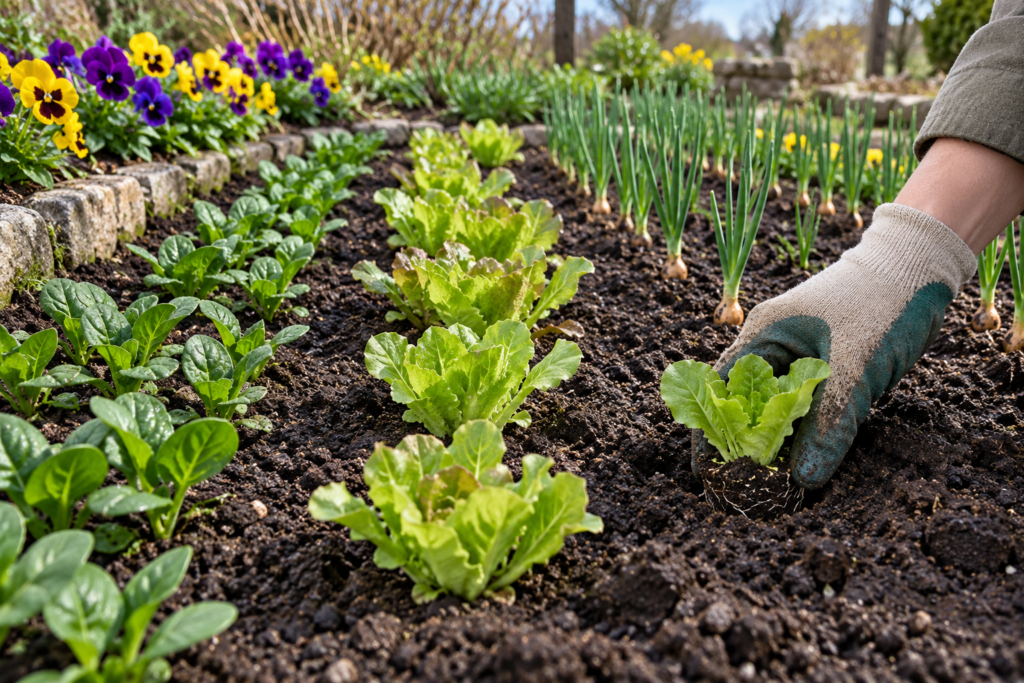
Early spring, the weeks before your last frost date, is the season for cool-season crops. These plants tolerate light frosts, grow best in cool weather, and often bolt or turn bitter once summer heat arrives, so getting them in early is important.
What Vegetables Can You Plant in Early Spring?
In early spring, plant cool-season vegetables that tolerate light frost: peas, spinach, lettuce, radishes, kale, chard, carrots, beets, onions, potatoes, and transplants of broccoli, cabbage, and cauliflower. Most can go in two to six weeks before the last frost, as soon as the soil can be worked and has begun to warm.
A general timeline, working backward from the last frost date:
- About four to six weeks before: peas, spinach, onion sets, radishes, and hardy transplants such as cabbage and broccoli.
- About two to four weeks before: lettuce, carrots, beets, chard, kale, and potatoes.
- Around the last frost: a second sowing of lettuce, radishes, and other quick crops for continuous harvests.
Most cool-season seeds germinate in soil as cool as about 40–45°F (4–7°C), though they sprout faster in slightly warmer soil. Potatoes do best planted when the soil reaches about 45°F (7°C).
Perennial Vegetables and Fruit
Early spring is the time to plant asparagus crowns, rhubarb, strawberry plants, and bare-root berry bushes such as raspberries, blackberries, and blueberries. These establish roots while the weather is cool and moist, and many will produce for years.
Herbs
Hardy herbs such as parsley, chives, cilantro, dill, oregano, thyme, and sage can be sown or planted in early spring. Cilantro and dill in particular prefer cool weather and tend to bolt quickly in summer heat, so early sowing gives the longest harvest.
Flowers
Cool-season annual flowers add early color and tolerate light frosts:
- Transplants: pansies, violas, snapdragons, sweet alyssum, stock, and primroses.
- Direct-sown seeds: sweet peas, calendula, larkspur, poppies, nigella, and cornflowers. Many of these prefer to be sown directly where they’ll grow, since they dislike transplanting.
Trees, Shrubs, and Perennials
Early spring is an excellent time to plant bare-root trees, shrubs, and roses while they’re dormant. Plant them as soon as the ground can be worked, soaking the roots for a few hours beforehand. It’s also a good time to divide overgrown perennials such as hostas, daylilies, and ornamental grasses as new growth emerges, and to plant container-grown perennials.
What to Plant in Late Spring
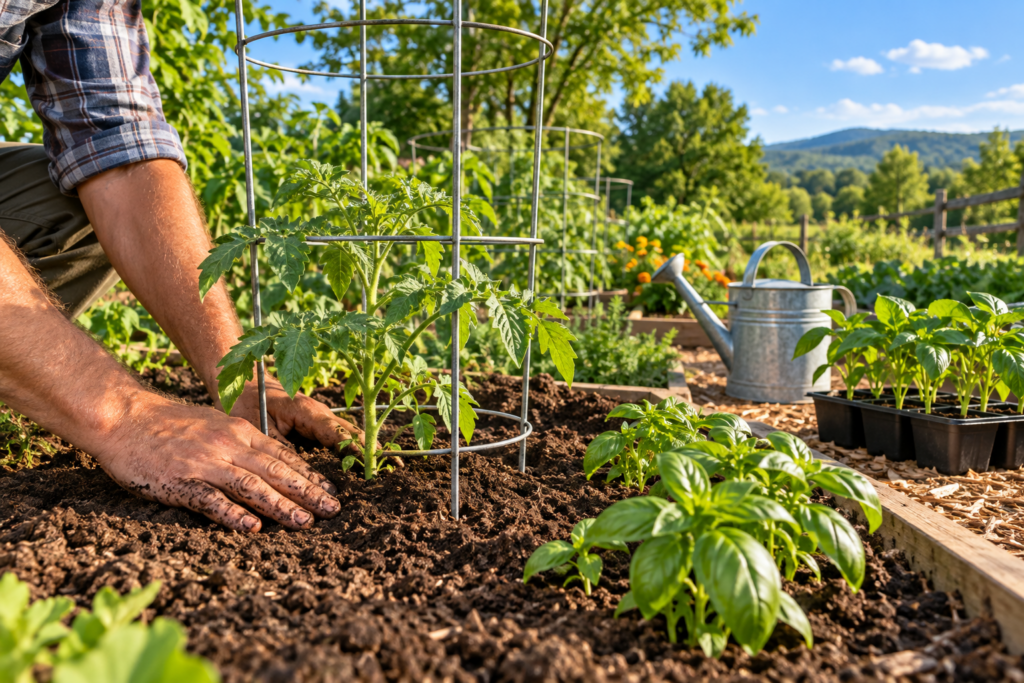
Once the danger of frost has passed and the soil has warmed, it’s time for the warm-season crops and flowers that define the summer garden.
When Is It Safe to Plant Tomatoes Outside?
It’s safe to plant tomatoes outside after your area’s last frost, once nighttime temperatures stay reliably above about 50°F (10°C) and the soil has warmed to around 60°F (16°C). Planting into cold soil stalls growth, so waiting a week or two past the average last frost often produces stronger plants than rushing.
Warm-Season Vegetables
Plant these after the last frost, once the soil is warm:
- Transplants: tomatoes, peppers, eggplant, and tomatillos.
- Direct-sown seeds: beans, squash, zucchini, cucumbers, melons, pumpkins, and corn. Beans and corn germinate best in soil above about 60°F (16°C), while squash, cucumbers, and melons prefer soil closer to 65–70°F (18–21°C).
- Sweet potatoes: plant slips several weeks after the last frost, once the soil is thoroughly warm.
- Okra: sow once soil and nights are consistently warm.
Warm-Season Herbs
Basil is highly sensitive to cold and should only go out once nights are warm. Other warm-season herbs, such as lemongrass and summer savory, follow the same timing.
Summer Flowers
- Annual transplants: petunias, marigolds, begonias, impatiens, geraniums, and salvia.
- Direct-sown annuals: zinnias, cosmos, sunflowers, nasturtiums, and morning glories.
- Summer bulbs and tubers: dahlias, gladiolus, cannas, and caladiums, planted once soil has warmed.
Late spring is also a good time to plant up containers, window boxes, and hanging baskets.
Harden Off Before Planting Out
Seedlings raised indoors need to adjust gradually to outdoor sun, wind, and temperature swings. Over one to two weeks, place them outside in a sheltered spot for a few hours at first, gradually increasing their time outdoors and their exposure to sun. Bring them in if frost threatens. Skipping this step often leads to scorched leaves and stalled growth after transplanting.
Plant Out on a Cloudy Day
Transplant on an overcast day or in the late afternoon, so seedlings aren’t hit by strong sun immediately. Water plants well before and after planting, and consider shading them with a light cloth for the first day or two in hot weather.
Spring Garden Care: Watering, Mulching, and Early Pests
Spring weather swings between warm spells, cold snaps, heavy rain, and dry winds. A little attention in these weeks helps young plants establish quickly.
Watering New Plantings
Seeds and new transplants need consistent moisture while their roots establish. Keep seedbeds evenly moist until seedlings emerge, and water new transplants regularly for their first few weeks. Spring rain may do much of the work, but warm, windy days can dry the soil surface quickly. Water in the morning, aiming at the soil rather than the leaves.
Mulch Once the Soil Warms
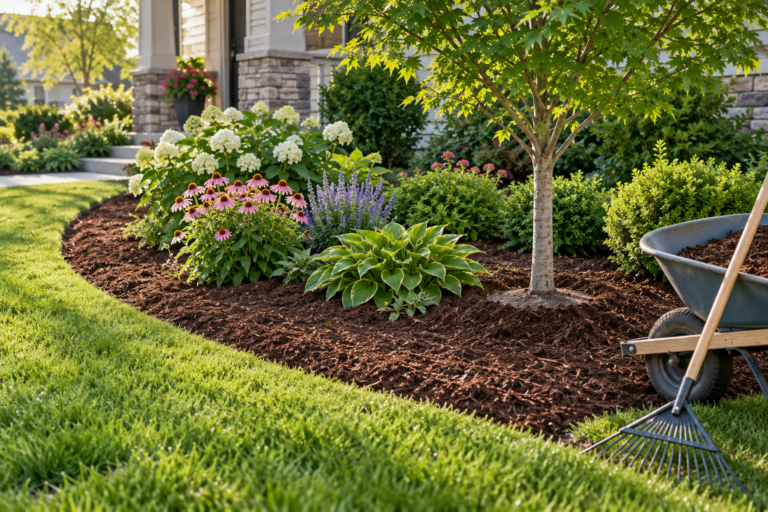
Mulch helps conserve moisture and suppress weeds, but applying it too early keeps soil cold. Wait until the soil has warmed and plants are established before mulching warm-season crops. Around cool-season crops and perennials, a light mulch can go down earlier.
Keep Weeds in Check Early
Weeds are easiest to control when they’re tiny. A quick pass with a sharp hoe on a dry, sunny day slices young weeds just below the soil surface, where they dry out and die. Regular early weeding saves hours of work later in the season.
Succession Sowing
Sow small amounts of fast crops such as lettuce, radishes, spinach, and scallions every two to three weeks through spring. This gives a steady harvest rather than a glut all at once.
Stake and Support Early
Install stakes, cages, and trellises when planting, not after plants are large. Tomatoes, peas, pole beans, and cucumbers all need support, and adding it later can damage roots. Perennials that tend to flop, such as peonies, benefit from grow-through supports placed early in spring as shoots emerge.
Protect Plants From Late Frosts
Watch the forecast closely in spring. If a frost is predicted after tender plants have gone out, cover them in the evening with frost cloth, row covers, buckets, or old sheets, and remove the covers in the morning. Watering the soil during the day before a frost helps it hold more warmth overnight.
Watch for Early Pests
- Slugs and snails are especially active in damp spring weather and can wipe out seedlings overnight. Check around young plants after dark and remove them.
- Aphids cluster on tender new growth. Spray them off with water or use insecticidal soap.
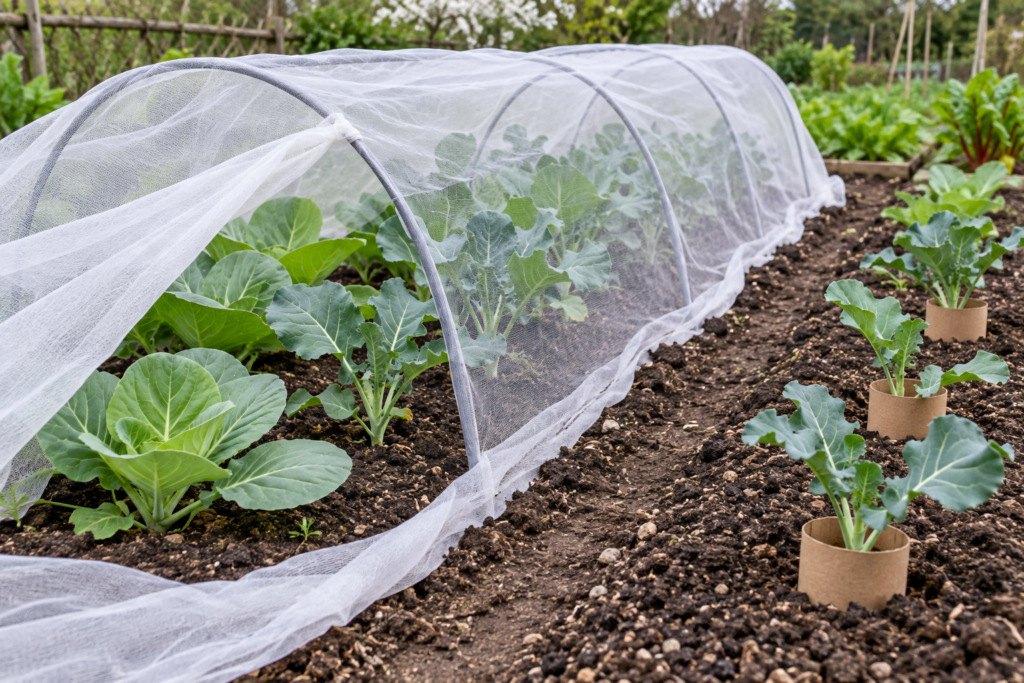
- Cutworms chew through young transplant stems at soil level. A simple collar made from a cardboard tube, pressed about an inch into the soil around each stem, protects transplants.
- Flea beetles and cabbage worms attack young brassicas. Lightweight insect netting or row cover over hoops keeps them off.
- Birds may pull up pea and corn seedlings. Netting protects them until they’re established.
Feed Plants as Growth Picks Up
As soil warms and plants start growing actively, established perennials, shrubs, and heavy-feeding vegetables benefit from a top-dressing of compost or a balanced organic fertilizer. Avoid heavy feeding of seedlings, which need little extra nutrition in their first weeks.
Common Spring Gardening Mistakes
Working wet soil. Digging or walking on wet soil compacts it. Wait until it passes the squeeze test.
Planting tender crops too early. Warm-season plants set out into cold soil sulk or die. Wait for warm soil and mild nights.
Pruning spring bloomers too early. Lilacs, forsythia, and azaleas should be pruned after they flower.
Skipping hardening off. Indoor seedlings need time to adjust before going outside.
Cleaning up too early and too thoroughly. Leaving some stems and leaf litter supports beneficial insects.
Sowing everything at once. Succession sowing spreads out harvests.
Forgetting supports. Install stakes and trellises at planting time.
A spring garden rarely goes exactly to plan. A late frost, a wet week, or a sudden heat spell will shift things around. Work with the conditions rather than the calendar, and the effort you put in now will show up in every harvest and every bloom through summer and autumn.
Frequently Asked Questions
Is it too late to plant tulips in spring?
Tulip bulbs need a long cold period to bloom, so they’re normally planted in autumn. If you find unplanted bulbs in early spring, plant them as soon as the ground can be worked; they may flower late, weakly, or not at all this year. For spring color, buy potted tulips already in bud from garden centers and plant them out.
Can I plant perennials in spring?
Yes. Spring is one of the best times to plant perennials, since cool temperatures and spring rain help roots establish before summer heat. Plant container-grown perennials once the soil is workable, water them regularly through their first season, and add a light layer of mulch once the soil has warmed.
How do I get rid of weeds before planting?
Pull or hoe existing weeds while they’re small and the soil is moist. For a cleaner start, try the stale seedbed method: prepare the bed, water it, wait a week or two for weed seeds to sprout, then hoe them off shallowly before sowing. Covering beds with an opaque tarp for several weeks also kills emerging weeds.
Can I use last year’s seeds?
Many seeds stay viable for several years if stored somewhere cool, dry, and dark. Some, including onion, parsnip, and leek, lose viability quickly, often within a year or two. To check, place ten seeds on a damp paper towel, fold it into a plastic bag, and keep it warm; the number that sprouts tells you the germination rate.
Is spring a good time to plant trees and shrubs?
Yes. Early spring is ideal for planting bare-root trees and shrubs while they’re still dormant, and container-grown plants can go in throughout spring. Water new plantings deeply and regularly through their first summer. In many regions, early autumn is equally good, since warm soil and cooler air favor root growth.
What can I plant in spring containers?
In early spring, plant containers with pansies, violas, snapdragons, lettuce, spinach, radishes, and cool-season herbs like parsley and cilantro. After the last frost, switch to warm-season plants such as tomatoes, peppers, basil, petunias, geraniums, and trailing annuals. Use fresh potting mix and containers with drainage holes.
How much time does a spring garden need each week?
A small vegetable garden or a few flower beds typically needs a few short sessions each week in spring, mainly for sowing, watering new plantings, weeding while weeds are small, and checking for pests. Early cleanup and soil preparation take the most time; once plants are established and mulched, routine care becomes much quicker.
Keep Learning
For more beginner help, see How to Start a Garden: The Complete Beginner’s Guide, How to Start a Vegetable Garden: Step-by-Step Guide for Beginners, and Composting 101: How to Compost for a Healthier Garden.

One Comment