Vertical Gardening Systems: How to Grow Up, Not Out
Most gardens run out of ground long before they run out of ideas. The beds fill up, the patio is lined with pots, and there’s still a list of things you’d like to grow. Look up, though, and there’s usually plenty of unused space: bare fences, blank walls, balcony railings, and the air above every…
Most gardens run out of ground long before they run out of ideas. The beds fill up, the patio is lined with pots, and there’s still a list of things you’d like to grow. Look up, though, and there’s usually plenty of unused space: bare fences, blank walls, balcony railings, and the air above every bed.
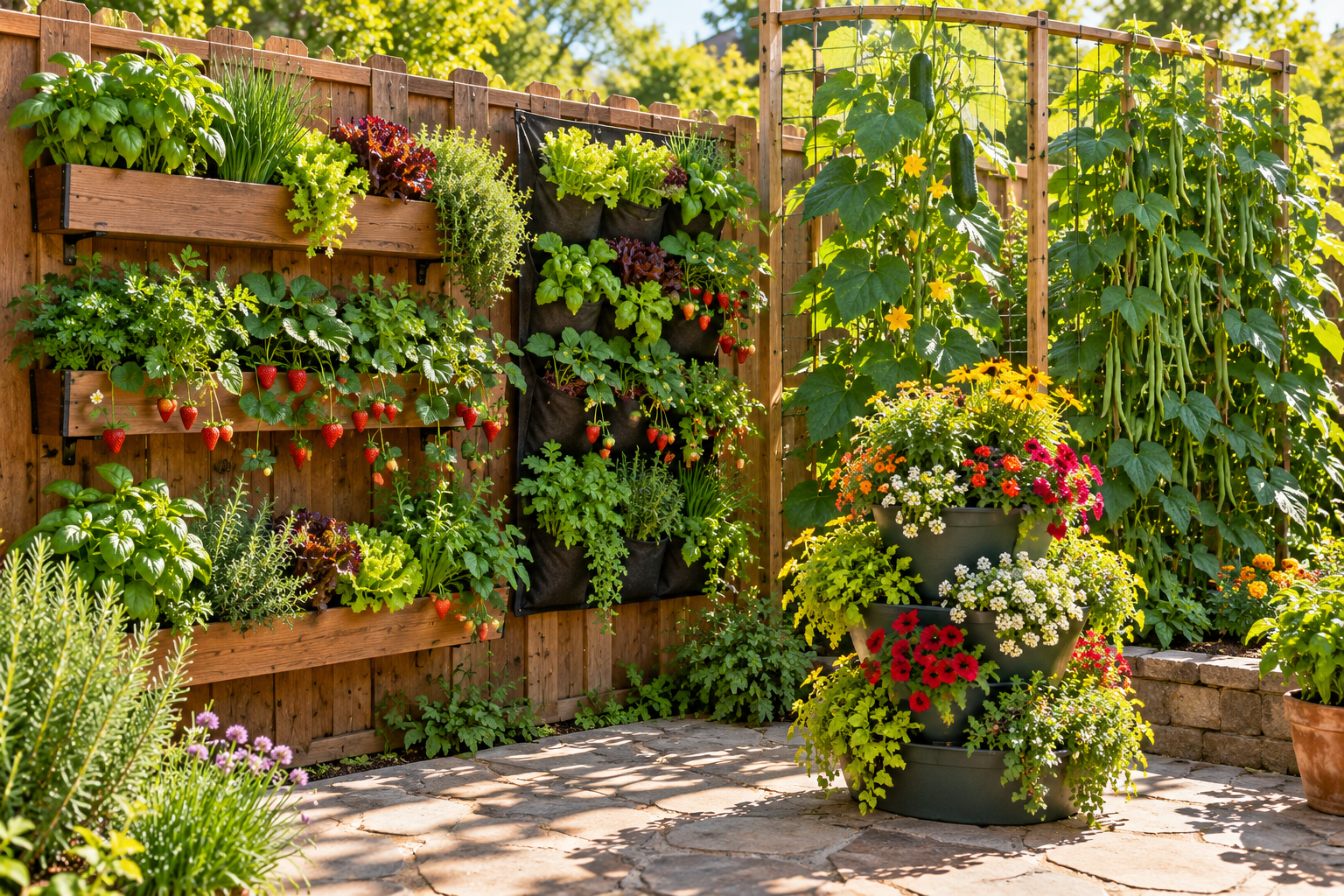
Vertical gardening turns that space into growing room. Instead of letting cucumbers sprawl across a bed or lining up pots along the ground, you train plants upward on trellises, stack them in towers, or mount them on walls. A single fence panel can hold a salad garden, and a trellis the width of a doorway can produce more beans than a whole row in the ground.
This guide explains why growing vertically works, the main types of vertical gardening systems and where each one fits, which plants suit which system, how to build and plant a vertical garden, and how to keep it watered and healthy through the season.
Why Grow Vertically
Vertical gardening is more than a space-saving trick. Growing upward changes how plants grow and how easy they are to care for.
More harvest from less ground. A trellised cucumber or pole bean occupies a small patch of soil but spreads its leaves over a tall, flat surface. Wall planters and towers turn square feet of patio into square yards of planting.
Better airflow and fewer diseases. Leaves held up off the ground dry faster after rain and watering, which reduces fungal diseases such as powdery mildew and leaf spots. Fruit held off the soil is less likely to rot.
Cleaner, straighter crops. Cucumbers grown on a trellis hang straight and stay clean. Tomatoes and squash kept off damp soil suffer less from rot and slug damage.
Easier harvesting. Vegetables at waist or eye level are easier to see and pick, with less bending and searching under leaves.
Screening and privacy. A trellis of climbing beans or a wall of foliage softens hard boundaries, hides unattractive views, and adds privacy to balconies and patios.
Decorative impact. A living wall of herbs or a flowering arch brings color and texture up to eye level, where it’s noticed.
The Limitations
Vertical systems have trade-offs. Small pockets and containers hold less growing mix, so they dry out faster and need more frequent watering. Wet soil is heavy, which matters for wall-mounted systems and balconies. Tall structures catch the wind and cast shade on neighboring plants. And some systems, particularly living walls with built-in irrigation, cost more upfront than simple trellises.
Understanding these limits from the start makes it easy to choose a system that fits your space and your time.
Types of Vertical Gardening Systems
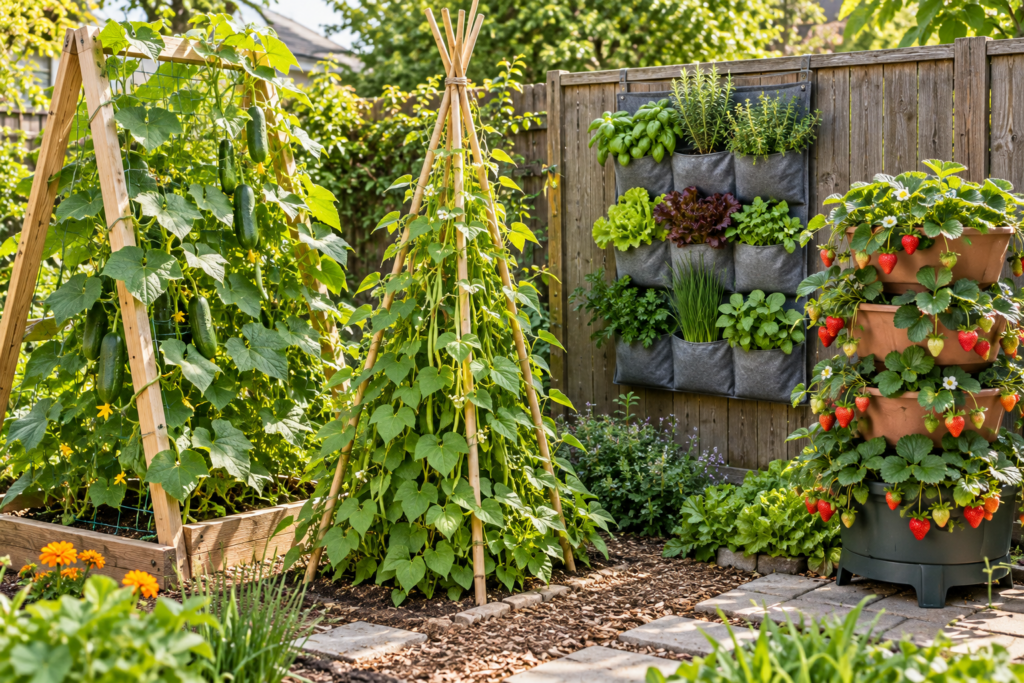
Vertical gardening covers a wide range of setups, from a few bamboo canes to fully irrigated living walls. Most fall into a handful of main types.
Trellises and Climbing Supports
Trellises are the simplest and most productive vertical system for vegetables. Plants grow in the ground, a raised bed, or a large container, and climb a structure above them.
- Flat trellis panels of wood, metal, or wire mesh, fixed to posts or a fence.
- Netting and string stretched between posts, ideal for peas, beans, and cucumbers.
- A-frame trellises, two panels leaning together like a tent, with climbing crops on both sides and shade-tolerant greens underneath.
- Tepees or wigwams of bamboo canes or branches tied together at the top, classic for pole beans and sweet peas.
- Obelisks, freestanding pyramid-shaped supports, which suit flowering climbers in borders and containers.
- Arches and tunnels, often built from bent livestock panels, which support vigorous climbers such as squash and gourds and create a walk-through feature.
Wall-Mounted Planters and Pocket Systems
These systems fix containers directly to a wall, fence, or frame so the planting itself forms a vertical surface.
- Fabric pocket planters, made of felt or similar material, hang flat against a wall and hold plants in rows of pockets.
- Modular panels of plastic or metal cells lock together to create a planted wall of any size.
- Rail and fence planters hook over balcony railings or fences.
- Gutter gardens, made from lengths of rain gutter fixed horizontally to a wall, suit shallow-rooted crops like lettuce and strawberries.
- Repurposed pallets, fitted with backing fabric and stood upright, create a rustic planted wall.
Stacking and Tiered Planters
Tiered and stackable planters build height from the ground up, without needing a wall.
- Stacking pots interlock one above another, with planting pockets around each tier.
- Tiered or ladder planters arrange containers on stepped shelves.
- Strawberry towers and tall planters with pockets up the sides.
- Spiral or herb towers built from stone, brick, or metal, with plants in the levels as they spiral upward.
Hanging Gardens
Hanging baskets, hanging pots on hooks and rails, and suspended shelves use overhead space on porches, pergolas, and balconies. They suit trailing flowers, strawberries, cherry tomatoes bred for baskets, and trailing herbs.
Living Walls and Hydroponic Towers
Living walls, also called green walls, are dense vertical plantings with an integrated irrigation system, often covering an entire wall. They create a striking effect but take more planning, investment, and maintenance than simple systems.
Hydroponic and aeroponic towers grow plants without soil, circulating a nutrient solution through a vertical column with a pump. They’re popular for growing salads and herbs on patios and indoors, but they depend on electricity and regular monitoring of the nutrient solution.
Espalier and Trained Fruit
Espalier is the traditional art of training fruit trees, such as apples, pears, and figs, flat against a wall, fence, or wire frame. Cordons are single-stemmed fruit trees trained at an angle. Both produce fruit in a very narrow space and suit gardeners willing to prune several times a year.
Which Vertical Gardening System Is Best for Beginners?
For beginners, a simple trellis or netting over a bed or large container is the easiest vertical gardening system, especially for peas, pole beans, and cucumbers. It’s inexpensive, forgiving, and the plants grow in a generous amount of soil. For patios and balconies, a stacking or tiered planter with herbs or strawberries is a good starting point.
Wall-mounted pocket systems and living walls are rewarding, but because each pocket holds only a small amount of growing mix, they need more attention to watering. Starting with one or two small panels helps you learn how quickly they dry out before scaling up.
Choosing the Right System for Your Space
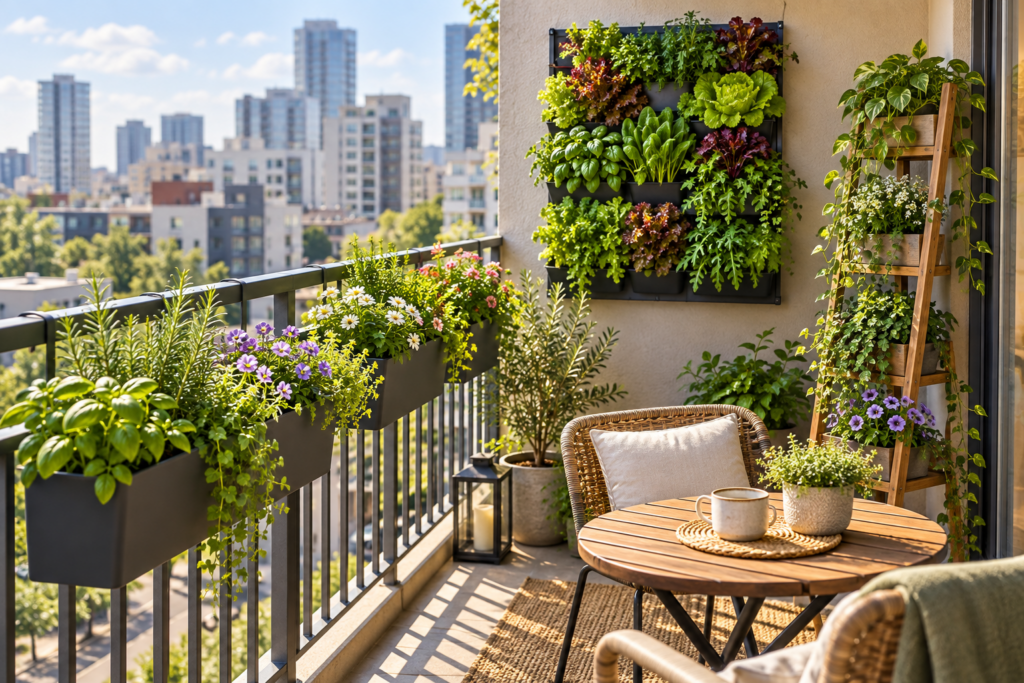
The best vertical system depends on your space, light, the surfaces available, and how much time you have for watering.
Check the Light
Vertical gardens face the same light requirements as any garden. Most fruiting vegetables, including tomatoes, cucumbers, beans, and squash, need at least six to eight hours of direct sun a day. Leafy greens, herbs like parsley and mint, and many ferns and foliage plants manage with less.
Orientation matters too. A wall facing the sun for most of the day suits vegetables and sun-loving flowers, while a wall that’s shaded most of the day suits ferns, begonias, and leafy greens. In the Northern Hemisphere, place tall trellises and towers on the north side of beds so they don’t shade shorter plants.
Consider the Surface
Fences and walls need secure fixings for wall-mounted planters, especially since wet growing mix is much heavier than dry. Use fixings suited to the surface, such as masonry anchors for brick and concrete, and fix into posts or rails on timber fences rather than thin boards. Leaving a small gap between planters and the wall allows air to circulate and prevents moisture from sitting against the surface. A waterproof backing helps protect walls from damp.
Freestanding systems such as towers, ladder planters, and A-frames need no fixings at all, which makes them ideal for renters. Tall freestanding structures should be stable at the base or secured against wind.
Can You Put a Vertical Garden on a Balcony?
Yes, balconies are one of the best places for vertical gardens, since they’re often short on floor space but have walls and railings. Use lightweight containers and potting mix, choose rail planters and freestanding towers where wall fixings aren’t allowed, and check any weight limits and building rules before installing larger systems.
Balconies are often windy, especially on higher floors. Wind dries pots quickly and can damage tall plants, so secure trellises and towers firmly, choose compact plant varieties, and group containers for shelter. Use drip trays or planters with built-in reservoirs to stop water dripping onto the balcony below.
Indoor Vertical Gardens
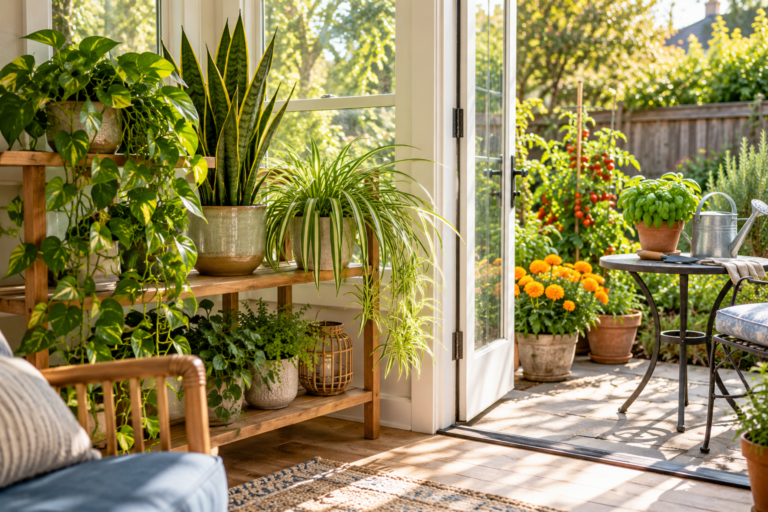
Indoors, light is the main limit. A bright window can support herbs, trailing houseplants, and some leafy greens, but most indoor vertical gardens benefit from grow lights, particularly for edibles. Use planters with waterproof backs and drip trays to protect walls and floors, and choose plants suited to indoor conditions, such as pothos, philodendrons, ferns, and herbs like basil and parsley.
Budget and Time
Simple trellises, tepees, and netting cost very little. DIY options such as pallets, gutters, and livestock panel arches offer large growing areas cheaply. Pocket planters, modular panels, and tiered towers cost more but are quick to set up. Living walls and hydroponic towers are the most expensive and need the most regular care.
Be realistic about watering. A trellis of beans planted in the ground may need watering once or twice a week. A wall of small pockets in full sun may need watering every day in summer, unless you add irrigation.
Best Plants for Vertical Gardens
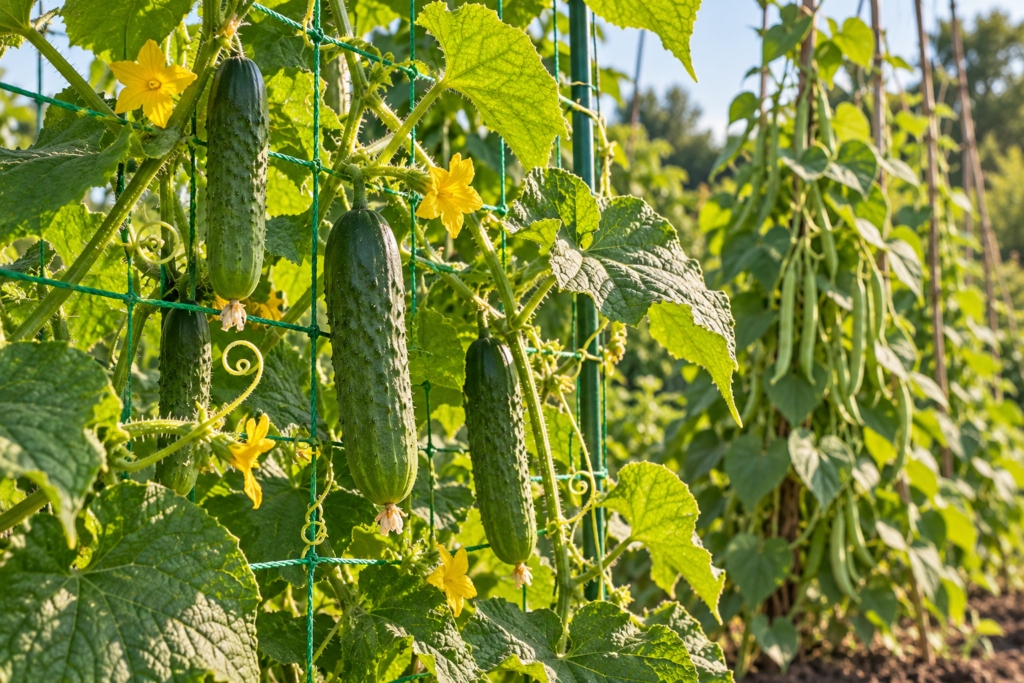
Choosing plants that suit the system is the key to a productive vertical garden. Climbing plants belong on trellises; compact, shallow-rooted plants belong in pockets and towers.
What Vegetables Grow Best Vertically?
The vegetables that grow best vertically are natural climbers and vining crops: pole beans, peas, cucumbers, indeterminate (vining) tomatoes, and small-fruited squash, melons, and gourds. They climb readily, produce heavily in a small footprint, and give cleaner fruit when held off the ground. Malabar spinach and climbing nasturtiums are also good edible climbers.
For wall pockets, towers, and shallow planters, choose compact, shallow-rooted crops: lettuce and other salad greens, spinach, arugula, strawberries, and herbs such as basil, parsley, chives, thyme, oregano, and mint.
Climbing Flowers and Ornamentals
Vertical gardens aren’t only for food. Popular ornamental climbers include sweet peas, morning glories, black-eyed Susan vine, climbing nasturtiums, clematis, climbing roses, jasmine, and honeysuckle. Annual climbers grow quickly and suit temporary structures and containers, while perennial climbers need permanent, sturdy supports.
Plants for Pockets and Living Walls
For pocket planters and living walls, compact, mounding, and trailing plants work best:
- Sunny walls: herbs, strawberries, trailing petunias, calibrachoa, sedums and other succulents, lettuce, and compact annuals.
- Shady walls: ferns, heuchera, begonias, leafy greens, and many trailing houseplants in sheltered spots.
- Indoor walls: pothos, philodendron, ferns, peperomia, and herbs under grow lights.
Avoid deep-rooted and large plants in small pockets. They quickly outgrow the space and dry out faster than smaller plants.
Matching Plants to Positions
Water drains downward through towers and pocket walls, so the top pockets dry out fastest and the bottom ones stay wettest. Place drought-tolerant plants such as thyme, rosemary, oregano, and succulents at the top, and thirstier plants such as lettuce, mint, and parsley near the bottom.
Building and Planting a Vertical Garden
Once you’ve chosen a system and plants, a little care in construction and planting sets the garden up for the season.
Building a Simple Trellis
For peas, beans, and cucumbers, drive two sturdy posts into the ground at each end of a bed or row, then stretch garden netting or wire mesh between them. Make sure it’s taut and firmly anchored, since a trellis loaded with plants and fruit catches a lot of wind.
A livestock panel bent into an arch between two raised beds or secured to posts makes one of the strongest and most versatile trellises available, supporting even heavy squash and gourds.
Install trellises before planting so you don’t damage roots when driving posts into the ground.
Mounting Wall Planters
Mark the planter positions with a spirit level before drilling. Use fixings rated for the weight of the planters when fully planted and watered, and fix into solid supports. For fabric pocket planters, a waterproof backing sheet or a wooden batten frame that holds the planter slightly away from the wall helps protect the surface from moisture.
Choosing Growing Mix
Use a quality, lightweight potting mix for all container-based vertical systems. Garden soil is too heavy and compacts quickly in small pockets. Adding extra perlite lightens the mix and improves drainage, which is especially helpful in wall planters and on balconies where weight matters.
Planting Pockets and Towers
Fill pockets about two-thirds full with moist potting mix, set plants in place, then fill around them and firm gently. Plant densely enough for a full look, but leave some room for growth. Water thoroughly after planting and check each pocket, since some may need extra water to settle.
How Climbing Plants Climb
Different climbers attach to supports in different ways, and knowing how each one climbs helps you choose the right structure.
- Tendril climbers such as peas, cucumbers, and sweet peas wrap thin, curling tendrils around narrow supports like string, netting, or thin wire. They struggle to grip thick posts without netting.
- Twining climbers such as pole beans, morning glories, and honeysuckle wind their stems around supports and do well on canes, strings, and poles.
- Scramblers such as tomatoes and climbing roses don’t attach on their own and need to be tied to the support as they grow.
- Self-clinging climbers such as ivy and climbing hydrangea attach directly to walls using aerial roots or small adhesive pads.
Guide young plants to their supports as they begin growing, and tie scramblers loosely with soft garden twine, cloth strips, or plant ties in a figure-eight loop, which holds the stem without cutting into it.
How Do You Support Heavy Fruit on a Trellis?
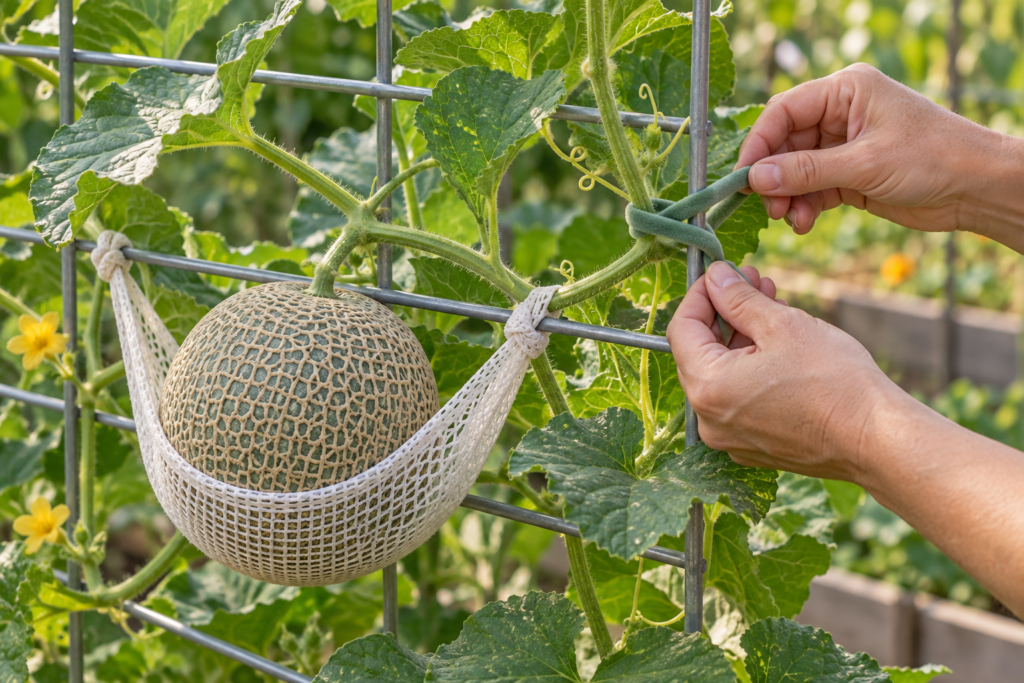
Support heavy fruit such as melons, winter squash, and large gourds with slings made from netting, cloth, or old stockings tied to the trellis. The sling cradles each fruit as it grows so its weight doesn’t tear it from the vine. Choosing smaller-fruited varieties also makes vertical growing easier and more reliable.
Make sure the trellis itself is strong enough for the combined weight of plants and fruit, especially after rain.
Watering, Feeding, and Maintenance
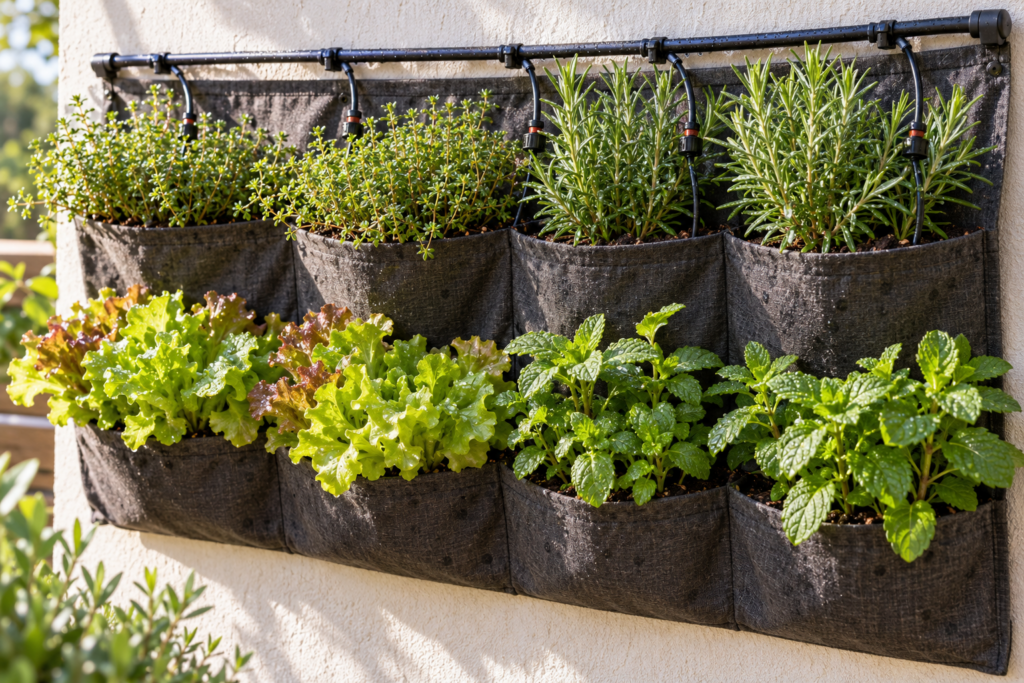
Vertical gardens need consistent care, particularly with watering. Small containers and exposed walls dry out faster than beds in the ground.
Watering Vertical Gardens
Check vertical planters daily in warm weather by pushing a finger into the growing mix. Water whenever the top inch feels dry. Small pockets in full sun may need water every day in summer.
Water slowly so it soaks into the mix rather than running straight out of the pockets. With towers and pocket walls, water from the top and let it trickle down, then check the lower levels to make sure every pocket has absorbed enough.
Irrigation makes vertical gardening far easier. Drip lines threaded through wall planters or a simple drip system with emitters in each pocket, connected to a battery-powered timer, keep watering consistent. Some wall and tower systems include built-in reservoirs or wicking systems that reduce how often you need to water.
For trellised crops growing in the ground or raised beds, water deeply at the base of the plants rather than over the foliage.
Feeding
Small containers hold limited nutrients, and frequent watering flushes them out. Feed pocket and tower plants with a balanced liquid fertilizer every one to two weeks during the growing season. Switch to a high-potassium feed once fruiting plants like tomatoes, cucumbers, and strawberries begin flowering.
Trellised crops growing in rich soil need less frequent feeding, though heavy croppers such as tomatoes and cucumbers still benefit from regular feeding once fruiting begins.
Training and Pruning
Check climbers every few days during the growing season and guide wandering shoots back onto their supports. Tie in tomatoes and other scramblers regularly. Pinch out side shoots on vining tomatoes to keep them tidy and productive. Trim overgrown herbs and trailing plants in pockets so they don’t smother their neighbors.
Pests and Problems
Good airflow in vertical gardens reduces many diseases, but pests still appear. Check leaves, especially the undersides, for aphids, spider mites, and whiteflies. Pocket planters that stay constantly wet can attract slugs and fungus gnats. Remove damaged or diseased leaves promptly.
End of Season
At the end of the growing season, remove spent plants and clean trellises, pockets, and towers. Store fabric pocket planters indoors over winter to extend their life. Check fixings, frames, and wires for damage before the next season. Perennial climbers and permanent living walls need pruning and seasonal maintenance appropriate to the plants.
Common Vertical Gardening Mistakes
Underestimating watering. Small pockets and exposed walls dry out quickly. Plan for daily checks or irrigation.
Weak supports. Trellises and wall fixings that seem sturdy when empty can fail under the weight of mature plants, fruit, and wet soil.
Choosing plants that are too large. Big, deep-rooted plants struggle in small pockets. Match plants to the size of the growing space.
Ignoring light. A vertical garden on a shaded wall won’t produce tomatoes. Match plants to the available sun.
Placing tall structures badly. A trellis on the sunny side of a bed can shade everything behind it.
Planting thirsty plants at the top. Water drains downward, so place drought-tolerant plants above and moisture-lovers below.
Start with one trellis or one planted wall, learn how it behaves through a season, and expand from there. Vertical gardens tend to grow on their owners, and a single fence panel of herbs has a way of turning into a whole wall.
Frequently Asked Questions
Do vertical gardens damage walls?
Vertical gardens can damage walls if moisture sits against the surface or fixings are inadequate. Using a waterproof backing, leaving a small air gap between planters and the wall, and choosing proper fixings prevents most problems. Self-clinging climbers such as ivy can damage weak or old mortar, so use trellis-supported climbers on walls in poor condition.
What is the difference between a living wall and a vertical garden?
A vertical garden is any system that grows plants upward, including trellises, towers, hanging baskets, and wall planters. A living wall is a specific type of vertical garden in which plants cover a wall surface densely, usually with an integrated irrigation system. All living walls are vertical gardens, but most vertical gardens are simpler than a living wall.
Can you grow potatoes vertically?
Potatoes can be grown in tall containers, grow bags, or potato towers, adding soil or compost as the plants grow. Results vary: many varieties form tubers only in a limited zone near the base, so extra height doesn’t always add more potatoes. Late-season varieties tend to perform better in towers than early varieties.
Do vertical gardens attract pests?
Vertical gardens attract the same pests as other gardens, such as aphids and slugs. Constantly damp pockets may attract fungus gnats, and saucers or reservoirs with standing water can breed mosquitoes. Avoid overwatering, empty standing water regularly, and keep plants healthy with good airflow to limit pest problems.
How long do fabric pocket planters last?
Fabric pocket planters typically last several seasons, depending on the material quality and sun exposure. Strong sunlight gradually weakens many fabrics, and constant moisture can lead to wear at the seams. Removing plants and storing the planters indoors over winter extends their life considerably.
Can you grow vegetables vertically in the shade?
Leafy greens such as lettuce, spinach, arugula, and chard, along with herbs like parsley, mint, and chives, grow reasonably well in partial shade with three to four hours of direct sun. Fruiting vegetables such as tomatoes, cucumbers, and beans need much more sun and perform poorly in shaded vertical gardens.
Are hydroponic vertical towers good for beginners?
Hydroponic towers can suit beginners who want quick-growing salads and herbs in a small space, and many kits are designed for easy setup. They do require electricity to run the pump, regular topping up of water, and monitoring of the nutrient solution. Beginners comfortable with a weekly maintenance routine often find them very productive.
Keep Learning
For more beginner help, see How to Start a Garden: The Complete Beginner’s Guide, How to Start a Vegetable Garden: Step-by-Step Guide for Beginners, and Gardening by the Moon: Does Moon Phase Gardening Really Work?.