How to Keep Rabbits Out of Your Garden: Fencing, Repellents, and Plants
You plant a neat row of lettuce on Saturday, admire the tiny green shoots on Tuesday, and on Wednesday morning find nothing but short, clean stubs where the seedlings used to be. No footprints, no mess, just missing plants. If that sounds familiar, there’s a good chance rabbits have discovered your garden. Rabbits are charming…
You plant a neat row of lettuce on Saturday, admire the tiny green shoots on Tuesday, and on Wednesday morning find nothing but short, clean stubs where the seedlings used to be. No footprints, no mess, just missing plants. If that sounds familiar, there’s a good chance rabbits have discovered your garden.
Rabbits are charming to watch and frustrating to garden alongside. They eat quickly, breed quickly, and return every night once they find a reliable food source. A single rabbit can clear a bed of young beans in one visit, and in winter the same animal may strip the bark from a young fruit tree you spent years growing.
The good news is that rabbits are one of the easier garden pests to stop, provided you use the right approach. This guide explains how to confirm rabbits are the culprits, how to build a fence that actually keeps them out, how to protect individual plants and trees, which repellents and deterrents are worth trying, which plants rabbits tend to leave alone, and how to make your yard less attractive to them in the first place.
How to Tell if Rabbits Are Eating Your Garden
Before investing in fencing or repellents, make sure rabbits are really the problem. Deer, groundhogs, voles, squirrels, slugs, and insects can all cause damage that looks similar at first glance.
What Does Rabbit Damage Look Like?
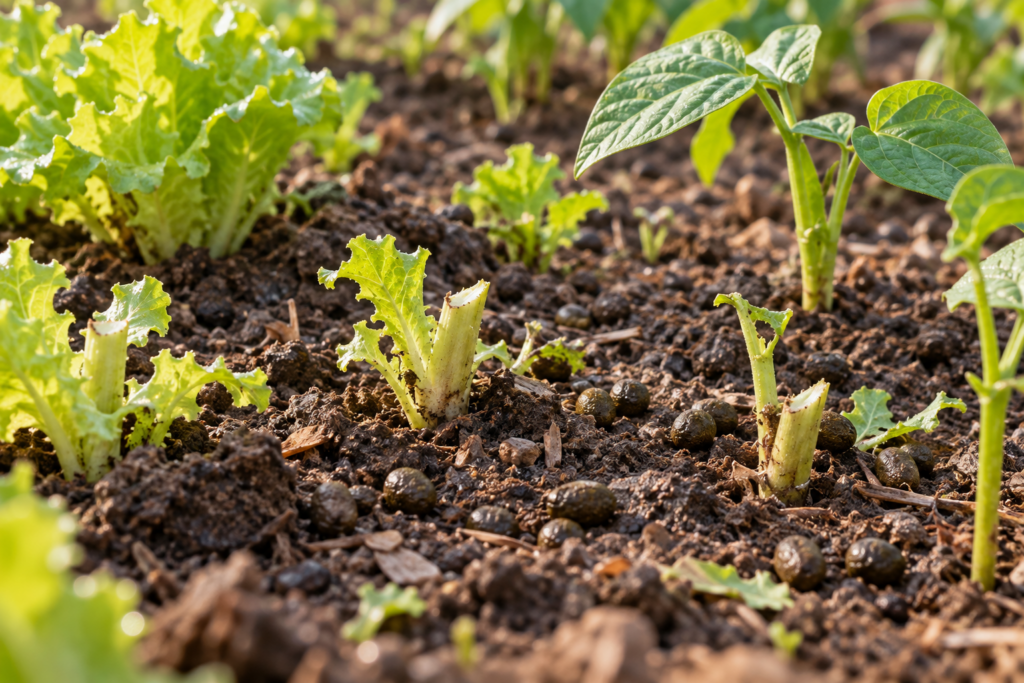
Rabbit damage shows as clean, sharp cuts on stems and leaves, often at a neat 45-degree angle, as if snipped with scissors. Damage is usually low, within about 2 feet (60 cm) of the ground. Small, round, pea-sized droppings nearby are a strong sign. Young seedlings may disappear entirely, leaving only short stubs.
Other clues help confirm it:
- Winter bark damage. Rabbits gnaw bark from young trees, shrubs, and raspberry canes in winter, leaving small, paired tooth marks. The damage usually stops at the height a rabbit can reach, often just above the snow line.
- Tufts of fur caught on fences or plants.
- Well-worn runs through long grass or under fences.
- Shallow nests lined with fur and grass, hidden in lawns, flower beds, or under shrubs in spring.
Ruling Out Other Culprits
Deer tear leaves and stems rather than cutting them, leaving ragged edges, and they browse much higher, often several feet off the ground. Their hoofprints and larger droppings are easy to spot.
Groundhogs (woodchucks) eat large amounts in one visit, often flattening plants, and leave obvious burrow entrances nearby.
Voles tunnel through grass and mulch, and gnaw bark right at soil level, often beneath snow or mulch.
Slugs and snails leave irregular holes in leaves and silvery slime trails.
When and What Rabbits Eat
Rabbits are most active around dawn and dusk, which is why damage often seems to appear overnight. They’re especially fond of tender young growth, so spring and early summer are the most vulnerable times for seedlings and new shoots.
Favorite garden foods include lettuce, peas, beans, beet greens, carrot tops, broccoli, cabbage, kale, spinach, strawberries, and young sunflower and squash seedlings. In flower beds, rabbits often target tulips, pansies, petunias, lilies, young hostas, and the fresh shoots of many perennials. In winter, when green food is scarce, they turn to the bark and twigs of young fruit trees, roses, raspberries, and shrubs.
Fencing: The Most Reliable Way to Keep Rabbits Out
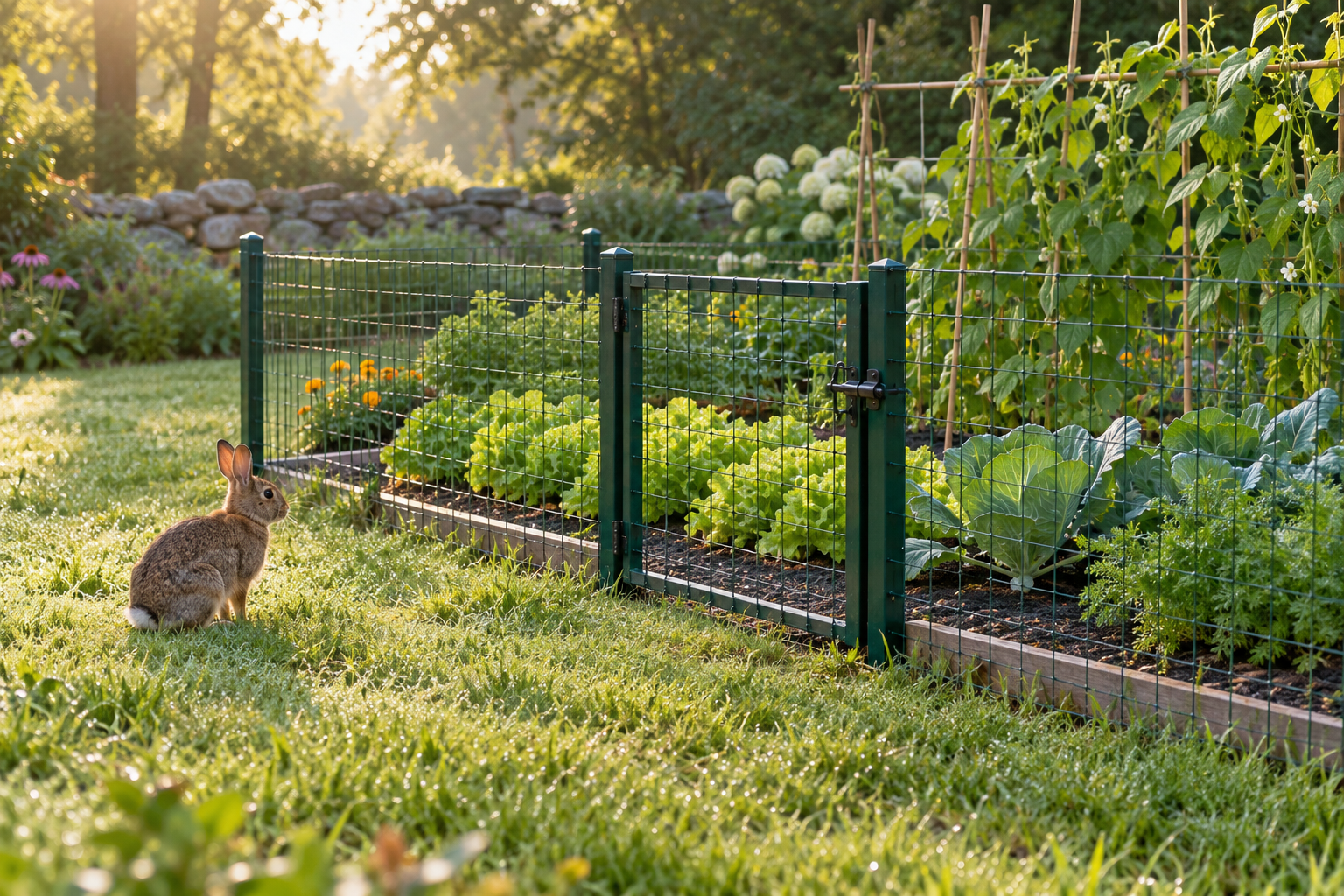
Of all the methods for protecting a garden, a properly built fence is the most dependable. Repellents wear off and scare devices lose their effect, but a well-installed fence works every night of the year.
What Kind of Fence Keeps Rabbits Out?
A rabbit-proof fence should be made of wire mesh with openings no larger than 1 inch (2.5 cm), stand at least 2 feet (60 cm) tall, and extend below ground or outward along the soil to stop digging. Galvanized chicken wire, welded wire mesh, or hardware cloth all work well, as long as the mesh is small enough to stop young rabbits squeezing through.
Choosing the Right Mesh
- Chicken wire is inexpensive and easy to work with. Choose 1-inch mesh rather than larger sizes, since young rabbits can slip through wider openings. It’s fine for vegetable gardens but can sag and rust over time.
- Welded wire mesh is sturdier and holds its shape better. Some welded wire fencing has smaller openings near the bottom and larger openings higher up, which works well for rabbits.
- Hardware cloth is a stiff, small-gauge galvanized mesh, excellent for tree guards, raised beds, and small enclosures. It’s more expensive but very durable.
- Vinyl-coated mesh in green or black blends more discreetly into the garden.
Avoid plastic netting for rabbit fencing where possible. Rabbits can chew through it, and wildlife can become tangled in loose netting.
How Tall Should a Rabbit Fence Be?
For most cottontail rabbits, a fence 2 feet (60 cm) high is usually enough, but 3 feet (90 cm) gives more security, particularly in areas with heavy snow, where drifts can raise the ground level. In regions with European rabbits, which tend to be more determined, a slightly taller fence is worthwhile.
Stopping Rabbits From Digging
Rabbits will push under a fence that sits on the surface of the soil, and some types, particularly European rabbits, are enthusiastic diggers. There are two effective ways to stop them:
- Bury the bottom of the fence about 6 inches (15 cm) deep. In areas with digging rabbits, bury it deeper, around 12 inches (30 cm).
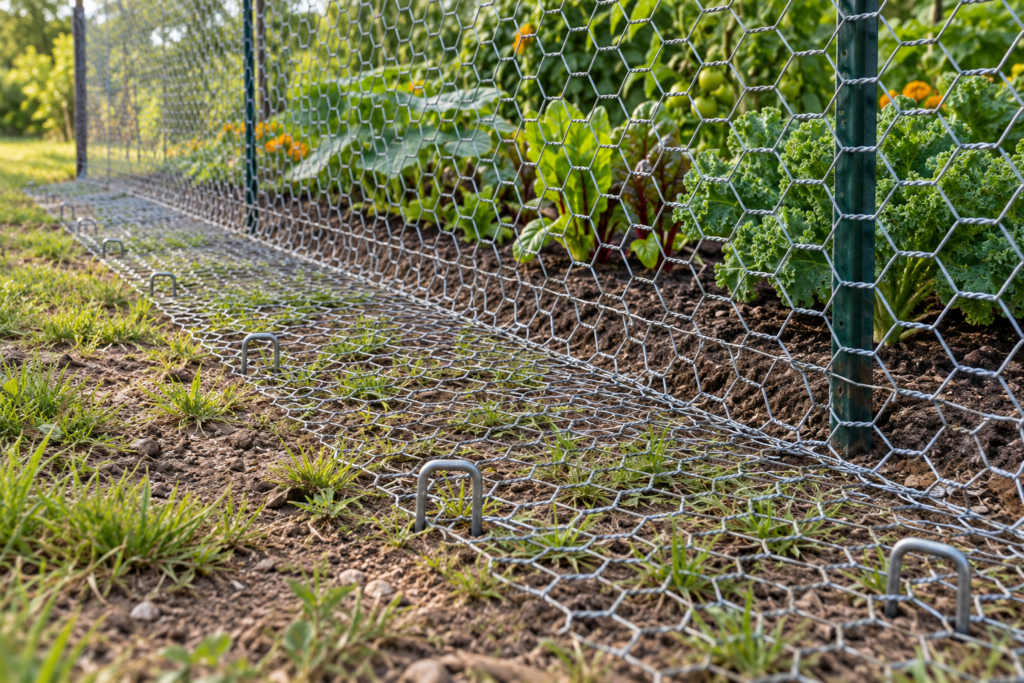
- Create an L-shaped apron by bending the bottom 6–12 inches (15–30 cm) of mesh outward along the ground, away from the garden, and pinning it down with landscape staples. Rabbits digging at the base of the fence hit the mesh and usually give up. Grass grows through the apron quickly and hides it.
The apron method is often easier than digging a trench, especially around established gardens.
Installing a Rabbit Fence
- Mark out the fence line, allowing space inside for paths and access.
- Drive sturdy posts, such as metal T-posts or treated wooden stakes, every 6–8 feet (1.8–2.4 m).
- Attach the mesh to the posts with wire, zip ties, or fence clips, pulling it taut as you go.
- Bury the bottom edge or add an outward apron.
- Secure the base between posts with landscape staples so there are no gaps.
- Overlap joins by at least one full mesh width and tie them securely.
Don’t Forget the Gate
Gates are the most common weak point. Make sure the gate closes snugly with no gap underneath, since rabbits easily slip through a gap of just a few inches. Adding a board or strip of mesh across the bottom of the gate, or setting a paver beneath it, helps seal the gap. Keep the gate closed, especially around dawn and dusk.
Temporary and Portable Fencing
For small beds or seasonal protection, temporary fencing works well. Rolls of chicken wire supported by bamboo canes or metal stakes can be set up in spring around vulnerable crops and removed later in the season. This is a good option for renters or for protecting new plantings while they establish.
Electric Fencing
For large vegetable gardens or farms, low electric fencing with strands set a few inches and about 8 inches (20 cm) above the ground can deter rabbits effectively. Electric fencing needs careful installation, regular maintenance to keep vegetation from shorting the wires, and consideration of children and pets. Check local regulations before installing it.
Do Raised Beds Keep Rabbits Out?
Tall raised beds help, but they aren’t a complete solution. Rabbits can jump surprisingly high, and a bed less than about 2 feet (60 cm) tall is often within reach. Adding a simple mesh fence or hoop cover over a raised bed is far more reliable than relying on height alone.
Protecting Individual Plants, Beds, and Trees
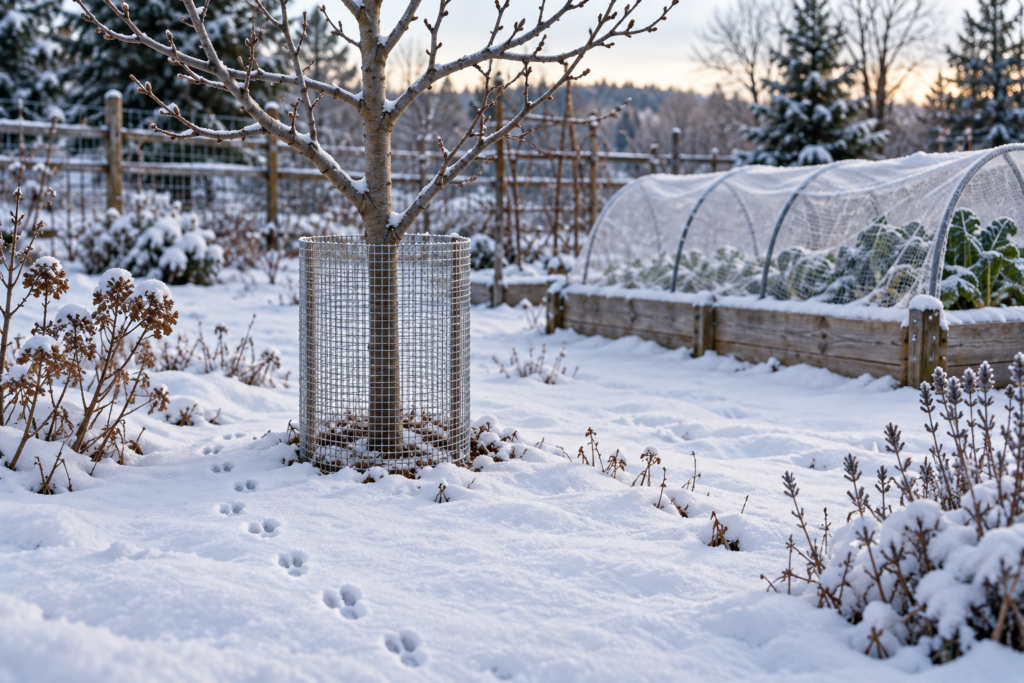
If fencing the whole garden isn’t practical, or you only need to protect a few vulnerable areas, covering individual plants and beds is highly effective.
Cloches and Plant Cages
Wire cloches and small mesh cages placed over seedlings protect them during their most vulnerable weeks. You can buy ready-made wire cloches or make simple cages by bending a rectangle of chicken wire or hardware cloth into a cylinder or dome, pinned to the ground with landscape staples. Remove or enlarge them as plants grow.
Hoop Tunnels and Covered Beds
Hoops made from flexible PVC pipe or metal, covered with chicken wire, bird netting, or insect mesh, turn vegetable beds into rabbit-proof tunnels. Lightweight row cover fabric over hoops also works while plants are young, though rabbits can chew through fabric if they’re determined. Secure the edges firmly with stakes, bricks, or sandbags so rabbits can’t push underneath.
This approach is especially useful for lettuce, peas, beans, brassicas, and strawberries, all rabbit favorites.
Raised Planters and Containers
Growing herbs and salad crops in raised planters on legs, on patio tables, or on balconies keeps them out of rabbit reach entirely. This works well for small gardens and for crops you want to harvest often.
How Do You Protect Young Trees From Rabbits in Winter?
Protect young trees by wrapping the trunk with a cylinder of hardware cloth or a plastic tree guard, extending from just below the soil surface to at least 18–24 inches (45–60 cm) above the expected snow depth. Leave a small gap between the guard and the trunk so the bark isn’t rubbed. Install guards in autumn, before winter feeding begins.
Rabbits feed on bark when snow covers other food, and deep snow lets them reach higher up the trunk. Bark stripped all the way around a trunk, called girdling, can kill a young tree. Fruit trees, ornamental trees, roses, and berry canes are especially vulnerable.
Check guards regularly, loosening or enlarging them as trees grow so they don’t restrict the trunk. Plastic spiral guards should be removed in spring, since they can trap moisture against the bark in warm weather.
Protecting Shrubs and Canes
For shrubs and berry canes, surround the base with a circle of chicken wire or hardware cloth, secured with stakes. Raspberry and blackberry rows can be protected with a low mesh fence along each side.
Repellents and Deterrents: What Works and What Doesn’t
Repellents and scare devices can reduce rabbit damage, especially where fencing isn’t practical. They work best as part of a combined strategy rather than as a standalone solution.
Commercial Repellents
Rabbit repellents usually work by taste, smell, or both.
- Taste-based repellents make plants unpleasant to eat, often using bitter compounds or hot pepper extracts. Rabbits take a bite, dislike it, and move on.
- Odor-based repellents use scents rabbits associate with danger or dislike, such as putrescent egg solids, garlic, or predator urine. Egg-based products are among the most commonly used and consistently effective for rabbits and deer.
Follow the label carefully. Many repellents aren’t approved for use directly on edible parts of vegetables and fruit, so choose products labeled for food crops or apply them only around the edges of vegetable beds.
Getting the Best Results From Repellents
- Apply before damage starts. It’s easier to prevent rabbits forming feeding habits than to break them.
- Reapply regularly, especially after rain or heavy watering and whenever new growth appears, since new leaves are untreated.
- Rotate products every few weeks. Rabbits can become used to a single scent or taste.
- Treat all vulnerable plants, not just a few, so rabbits don’t simply move to untreated ones.
Do Homemade Rabbit Repellents Work?
Homemade repellents, such as sprays made from hot pepper, garlic, or raw eggs mixed with water, can deter rabbits for a short time, but results are inconsistent. They wash off quickly and need frequent reapplication, especially after rain. They work best on ornamental plants and as a temporary measure alongside fencing or covers, rather than as your only protection.
Test any homemade spray on a few leaves first, since some mixtures can scorch foliage, and avoid spraying pepper-based solutions on plants you plan to eat soon.
Scare Devices
Motion-activated sprinklers are among the more effective scare devices. They release a sudden burst of water when an animal approaches, startling rabbits away. They work best in smaller areas and need to be moved or repositioned occasionally.
Reflective tape, pinwheels, fake owls, and plastic snakes may startle rabbits briefly, but rabbits quickly learn that these objects are harmless. If you use them, move them every few days to maintain the surprise.
Ultrasonic repellers are widely sold, but there’s little reliable evidence that they deter rabbits effectively.
Popular Myths
Many home remedies circulate online, including sprinkling blood meal, scattering human or pet hair, spreading coffee grounds, or hanging bars of scented soap. Some gardeners report success, but results are anecdotal and inconsistent. Blood meal, in particular, is a fertilizer and can attract dogs and other animals, so use it with care.
Rabbit-Resistant Plants and Smart Garden Design
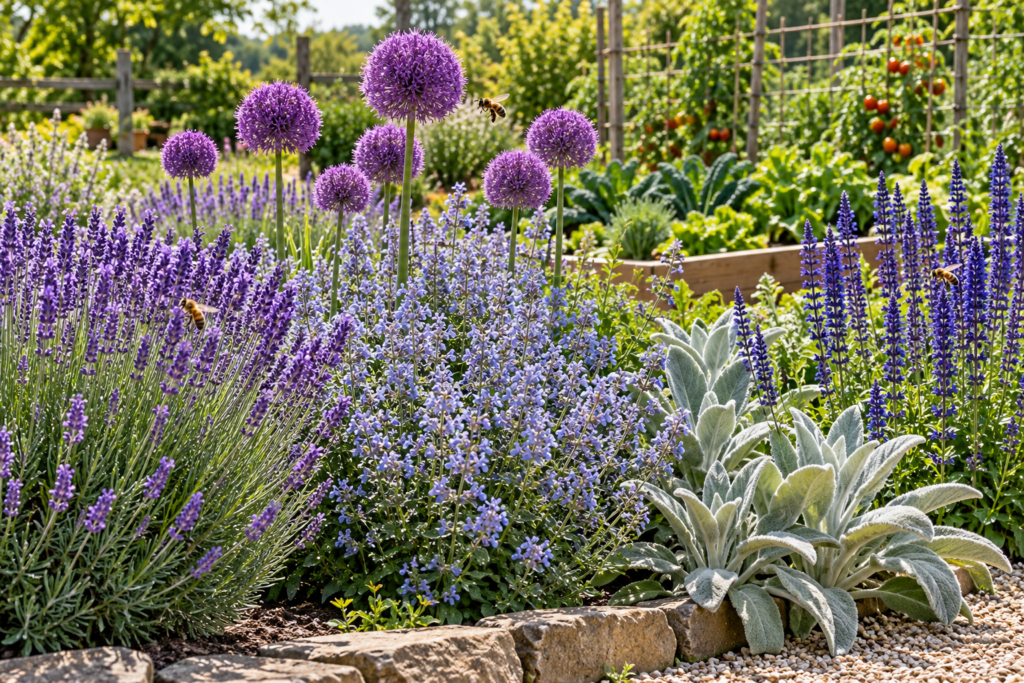
No plant is completely rabbit-proof. Hungry rabbits, especially young ones or those facing a food shortage, will sample almost anything. However, some plants are consistently less appealing, and choosing them can significantly reduce damage.
Plants Rabbits Tend to Avoid
Rabbits generally avoid plants with strong scents, fuzzy or prickly leaves, bitter tastes, or toxic sap.
Herbs: lavender, rosemary, sage, thyme, oregano, catmint, mint, chives, and lemon balm.
Perennials: salvia, yarrow, lamb’s ears, Russian sage, bee balm, peonies, foxgloves, bleeding heart, hellebores, ornamental grasses, alliums (ornamental onions), and hardy geraniums in many gardens.
Bulbs: daffodils, alliums, fritillaries, grape hyacinths, and snowdrops. Daffodils are toxic and rarely touched.
Annuals: snapdragons, ageratum, cleome, and wax begonias are often less appealing. Marigolds have a mixed reputation; some gardeners find rabbits ignore them, while others report damage.
Vegetables: onions, garlic, leeks, potatoes, tomatoes (the leaves are unappealing, though ripe fruit may occasionally be nibbled), squash with prickly leaves, and many herbs.
Remember that young plants, even of “resistant” varieties, are more vulnerable than established ones. Protect new plantings for the first few weeks regardless of their reputation.
Plants That Need Extra Protection
Rabbits are strongly attracted to lettuce, spinach, beans, peas, carrots, beets, broccoli, cabbage, kale, strawberries, tulips, pansies, lilies, hostas, clover, and young sunflowers. Plan to fence or cover these crops.
Design Ideas That Help
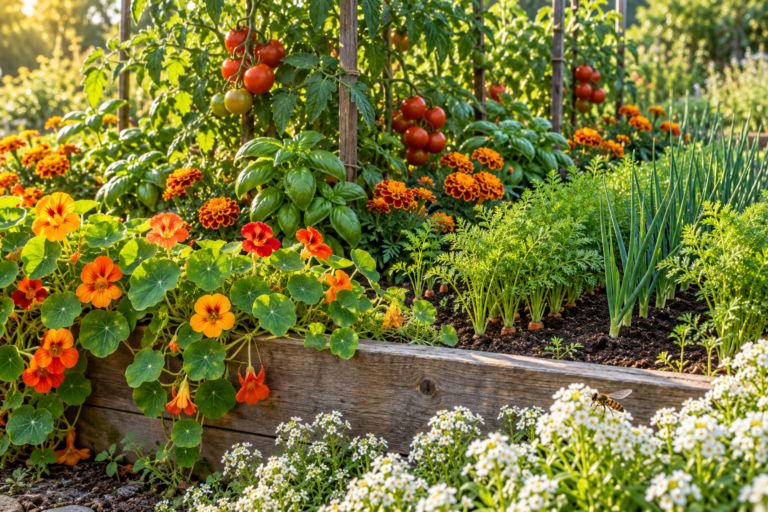
Surround vulnerable crops with less appealing plants. A border of lavender, catmint, rosemary, onions, or alliums around a vegetable bed won’t create a solid barrier, but it can make the bed less inviting and mask the scent of tastier plants inside.
Place vulnerable crops closer to the house. Rabbits prefer to feed near cover and away from activity. Beds near doors, paths, and busy areas often see less damage than those at the far end of the yard.
Offer a decoy. Some gardeners leave a patch of clover or grass at the edge of the yard to give rabbits an alternative food source. This can reduce pressure on the garden, though it can also encourage more rabbits to stay nearby, so results vary.
Group vulnerable plants. It’s easier to fence or cover one well-planned bed of rabbit favorites than to protect plants scattered throughout the garden.
Making Your Yard Less Rabbit-Friendly
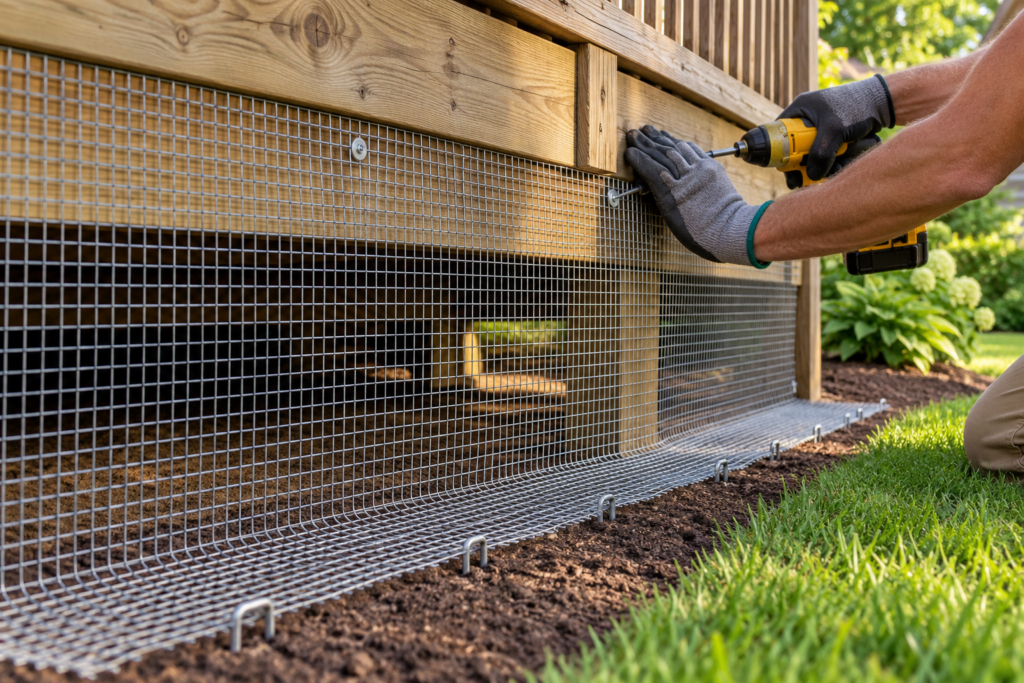
Rabbits thrive where they have food, water, and nearby shelter from predators. Reducing shelter around your garden makes it less attractive and less comfortable for them to stay.
Remove Hiding Places
Rabbits prefer to stay close to cover, where they can escape hawks, foxes, and other predators. Reduce cover near the garden by:
- Clearing brush piles, stacked wood, and debris.
- Mowing tall grass and weedy areas at the edges of the yard.
- Pruning low, dense shrubs that provide hiding spots.
- Keeping vegetable garden edges tidy.
Block Spaces Under Structures
Spaces under decks, porches, sheds, and steps are favorite shelters and nesting places. Close them off with hardware cloth, extending the mesh several inches below ground or bending it outward in an L-shaped apron to stop digging. Check first that no animals are trapped inside before sealing openings.
Pets and Natural Predators
A dog that spends time in the yard can discourage rabbits from settling in, especially if it’s outside around dawn and dusk. Natural predators such as hawks, owls, foxes, and snakes also keep rabbit numbers in check. Leaving some wild areas away from the garden for these predators can help, while allowing pet cats to roam freely outdoors isn’t recommended because of their impact on birds and other wildlife.
Humane Considerations
Rabbits are wildlife, and in many areas it’s illegal to trap and relocate them without a permit. Relocated rabbits also often struggle to survive in unfamiliar territory. Exclusion, meaning fencing, covers, and guards, is the most humane and effective long-term solution. If you’re considering trapping, check with local wildlife authorities first.
If you find a nest of baby rabbits in the lawn or garden, it’s usually best to leave it alone. The mother visits only briefly, typically around dawn and dusk, so an apparently abandoned nest is usually being cared for. Young rabbits typically leave the nest within a few weeks, after which you can protect that area.
A Year-Round Plan
Rabbit pressure changes through the seasons, so adjust your approach:
- Spring: install or repair fences, cover seedlings, and protect new perennial shoots.
- Summer: keep gates closed, reapply repellents after rain, and watch for new damage.
- Autumn: install tree guards and protect shrubs before winter.
- Winter: check guards after snowfall and clear snow drifts from fences.
Common Mistakes When Keeping Rabbits Out
Using mesh that’s too large. Young rabbits slip through openings larger than 1 inch.
Leaving gaps at the base. A fence without a buried edge or apron is easy for rabbits to push under.
Forgetting the gate. A gap under the gate is all a rabbit needs.
Relying on scare devices alone. Rabbits quickly learn that fake predators are harmless.
Stopping repellents after rain. Most repellents wash off and need reapplication.
Protecting plants too late. Once rabbits find a food source, they return nightly. Protect vulnerable plants from day one.
Ignoring winter damage. Unprotected young trees can be girdled in a single winter.
Combine a solid fence around your most vulnerable crops, targeted protection for trees and seedlings, and a yard that offers rabbits little shelter, and you can enjoy watching rabbits in the lawn without losing your lettuce to them.
Frequently Asked Questions
Do coffee grounds keep rabbits away?
There’s little evidence that coffee grounds deter rabbits. Some gardeners believe the scent discourages them, but any effect is short-lived and inconsistent. Coffee grounds are better used as a compost ingredient. For reliable protection, fencing, plant covers, and commercial repellents are far more effective.
What smells do rabbits hate?
Rabbits tend to avoid strong, pungent scents, including garlic, onions, hot peppers, and aromatic herbs such as lavender, rosemary, sage, and mint. Odor-based repellents made from putrescent eggs are also effective for many gardeners. Scents alone rarely stop a hungry rabbit completely, so they work best alongside physical barriers.
Will rabbits eat tomato plants?
Rabbits usually avoid mature tomato leaves, which are unpleasant to them. They may nibble young tomato seedlings, especially right after planting, and occasionally sample ripe fruit that hangs low to the ground. Protecting young transplants for a few weeks and keeping fruit off the soil with stakes or cages usually prevents problems.
What should I do if I find a rabbit nest in my garden?
Leave the nest in place and avoid disturbing it. The mother rabbit visits only briefly, usually around dawn and dusk, so an apparently empty nest is rarely abandoned. Keep pets away, avoid mowing over it, and mark the spot. The young typically leave within a few weeks, after which you can protect the area.
Do rabbits eat flower bulbs?
Rabbits often eat the shoots, leaves, and flowers of tulips and crocuses, especially early in spring, though they rarely dig up bulbs themselves. Daffodils, alliums, grape hyacinths, and snowdrops are usually left alone. Protect vulnerable bulbs with wire cloches over emerging shoots, or plant rabbit-resistant bulbs instead.
Will a dog keep rabbits out of the garden?
A dog can discourage rabbits from feeding and nesting in your yard, particularly if it spends time outside in the early morning and evening when rabbits are most active. Dogs rarely keep rabbits out completely, especially overnight, so combining a dog’s presence with fencing around vegetable beds gives the best results.
Do ultrasonic rabbit repellers work?
There’s little reliable evidence that ultrasonic repellers keep rabbits out of gardens. Any initial effect often fades as rabbits get used to the sound. Motion-activated sprinklers tend to work better as a scare device, but for lasting protection, fencing and plant covers remain the most effective options.
Keep Learning
For more beginner help, see How to Start a Garden: The Complete Beginner’s Guide, How to Start a Vegetable Garden: Step-by-Step Guide for Beginners, and Mulch Guide: Best Types of Mulch and How to Use It.