Gift Ideas for Gardeners: What They Actually Want and Use
There is a particular shelf in most garden sheds where the well-meant gifts end up. A novelty weeder shaped like a squirrel. A set of four colour-coded plastic tools from a boxed kit. A decorative watering can with a soldered spout that leaks. None of it was a bad idea at the time, and none…
There is a particular shelf in most garden sheds where the well-meant gifts end up. A novelty weeder shaped like a squirrel. A set of four colour-coded plastic tools from a boxed kit. A decorative watering can with a soldered spout that leaks. None of it was a bad idea at the time, and none of it has ever been used.
Meanwhile, the same gardener is quietly making do with secateurs that stopped cutting cleanly two seasons ago, kneeling on a folded towel, and squinting at handwritten plant labels that faded by August. The gap between what gardeners are given and what gardeners need is remarkably wide, and it comes down almost entirely to one thing: gifts get chosen by how they look in a shop, while tools get judged by how they feel on the twentieth use.
Closing that gap isn’t difficult. It mostly means knowing a few things about how the person actually gardens, and understanding which categories of present reliably earn their place. This guide covers how to read the gardener you’re buying for, what works at each stage from complete beginner to someone who has been growing for thirty years, how to match a gift to the kind of gardening they do, and the genuinely lovely things gardeners almost never buy for themselves.
How to Choose a Gift a Gardener Will Actually Use
Before looking at any specific item, spend five minutes working out what sort of gardener you’re dealing with. Almost every gift-buying mistake comes from skipping this step.
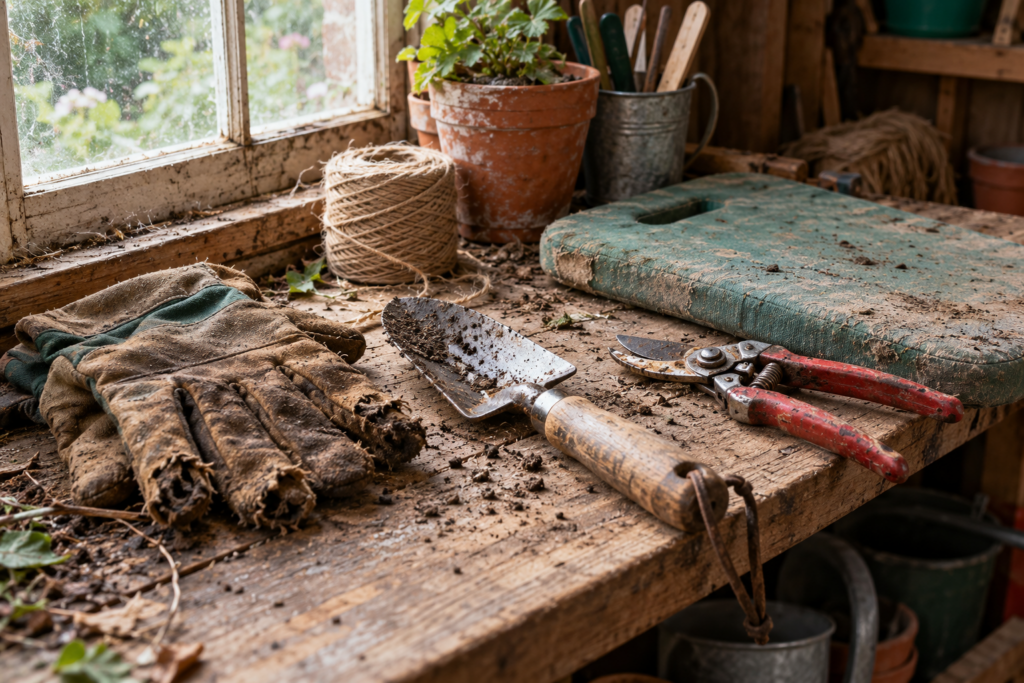
Look at what they already own and how worn it is. The most useful intelligence is sitting in their shed. A frayed pair of gloves, a cracked plastic trowel handle, a hose with three repair joints in it, a kneeling pad worn through in the middle. Worn-out equipment is a direct signal, because it means the item is used constantly and is nearly finished. Replacing something with a noticeably better version of itself is the single highest hit rate in gardening gifts.
Notice what kind of gardening they actually do. Someone growing tomatoes and beans on an allotment needs entirely different things from someone tending forty houseplants in a flat, and both differ from a person maintaining a formal ornamental border. Watch where they spend their time. If every conversation is about soil and harvests, they’re a food grower. If it’s about colour combinations and what’s flowering next month, they’re an ornamental gardener.
Consider their physical situation. Age, joint problems, and grip strength change what’s useful dramatically. Ratchet pruners, long-handled tools, and kneeler benches with side handles are transformative for some people and unnecessary for others. This is worth getting right, because a gift that makes gardening less painful is remembered for years.
Find out how much space they have. A greenhouse is a wonderful present and a terrible one, depending entirely on whether there’s anywhere to put it. Balcony gardeners need compact, and often need vertical. Anyone with a small shed is not short of tools; they’re short of storage.
Think about the season you’re giving in. A gift arriving in midwinter can be about planning and anticipation: seeds, books, a propagator, a plan for spring. Something given in late spring should be immediately usable. Autumn suits bulbs, protective covers, and anything for putting a garden to bed.
Buy fewer, better things. This is the principle underneath all of it. One genuinely good tool beats a set of five mediocre ones every time, and gardeners can tell the difference immediately. Forged construction, replaceable parts, hardwood handles, and steel that holds an edge are what separate a lifetime tool from a shed-shelf ornament.
What is the best gift for someone who loves gardening?
The best gift is a better version of something they already use daily. Quality bypass secateurs, a forged stainless steel trowel, well-fitting leather gloves, or a comfortable kneeler bench all get used every session. Upgrading an everyday item beats introducing a new gadget they didn’t ask for.
That answer sounds unambitious, and it’s the one experienced gardeners endorse most strongly. The romance of gardening lives in the plants, not the equipment. Equipment just needs to work, and a tool that works beautifully is noticed every single time it’s picked up.
Gifts for Someone Just Starting Out
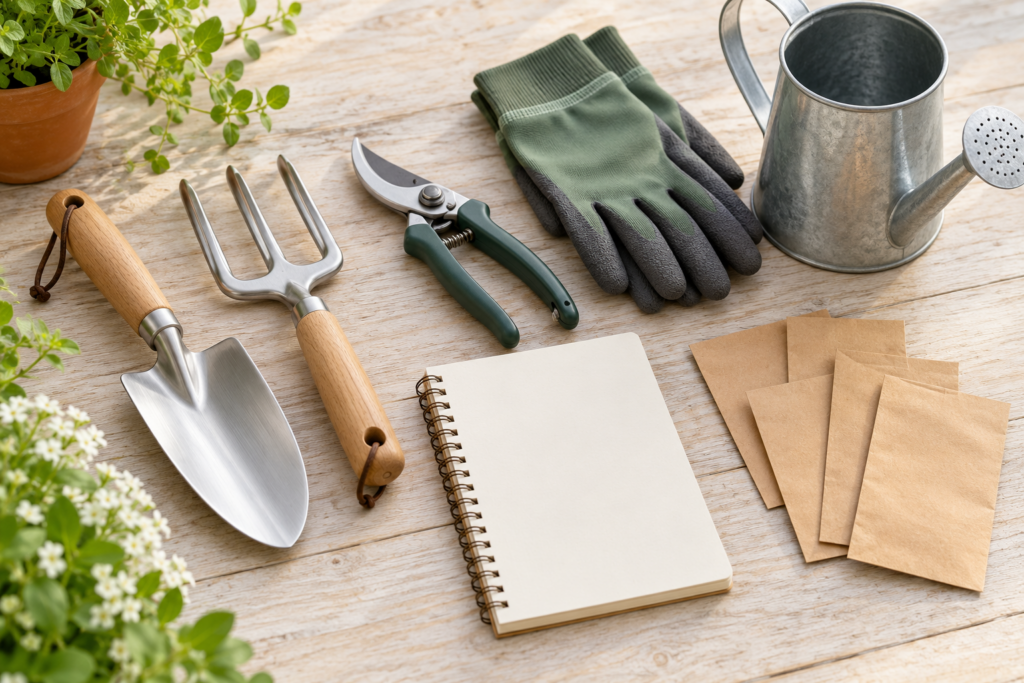
New gardeners need a small number of good basics and a bit of encouragement. What they don’t need is volume, because a beginner buried in equipment tends to use none of it.
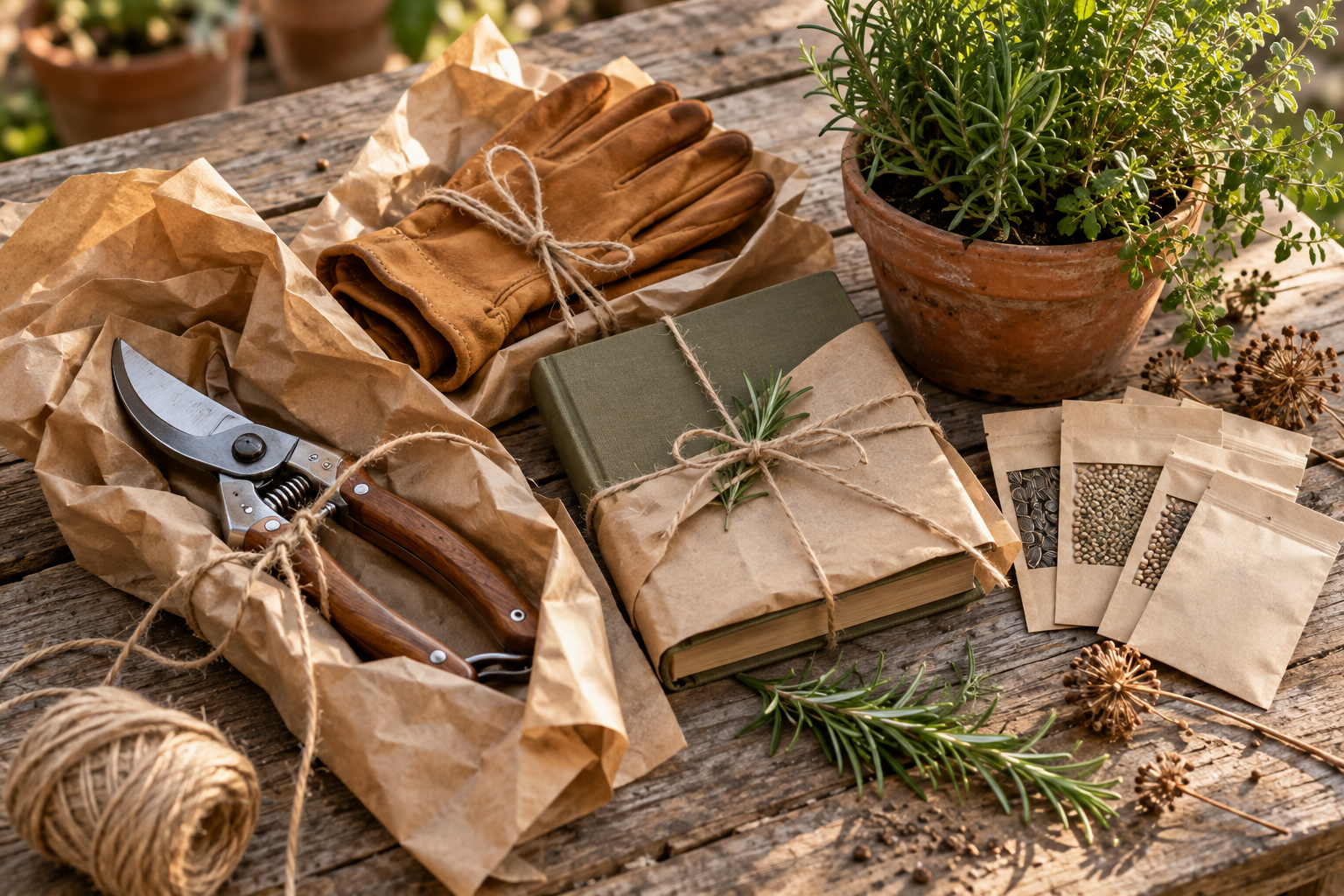
A proper starter set of hand tools, bought individually. A forged hand trowel, a hand fork, and a decent pair of bypass secateurs will cover almost everything in a first season. Buy these separately rather than as a boxed kit, because kits are priced to a number and made accordingly. A gardener who begins with tools that feel solid develops entirely different expectations from one who begins with bendy ones.
Gloves that fit properly. Sizing matters more than people assume. Bulky gloves get removed and lost, which means the gardener ends up with torn cuticles and thorn scratches. A close-fitting coated pair for planting and a thicker leather pair for pruning covers both jobs. Women’s and smaller sizes are genuinely harder to find in decent quality, which makes a good-fitting pair a thoughtful present rather than a generic one.
Seeds chosen for early wins. Radishes, salad leaves, bush beans, courgettes, cherry tomatoes, sunflowers, nasturtiums, and cosmos all germinate readily and produce visibly within a single season. A curated handful of these, perhaps with a note about what to sow when, is worth far more than a hundred-packet mega assortment that mostly won’t get planted.
A good beginner book. Books outperform almost anything online for structured learning, and a well-edited reference on vegetable growing, propagation, or general technique gets returned to for years. Look for one written for a similar climate to theirs, since timing advice doesn’t travel well between regions.
A grow-your-own kit with real substance. Herb kits, chilli kits, and mushroom growing kits work well because they’re self-contained and give a result. Choose ones with actual quantities of growing medium rather than a token pellet.
A watering can with a fine rose. The removable perforated head is the part that matters, because a direct jet flattens seedlings. This is one of those items a beginner doesn’t know to prioritise until a tray of seedlings gets washed out of its compost.
A garden journal or notebook. Unglamorous, and the thing experienced gardeners most often say they wish they’d started sooner. Within two seasons it becomes the most useful reference a gardener owns, because it’s written for their exact conditions.
Gifts for the Gardener Who Already Has Everything
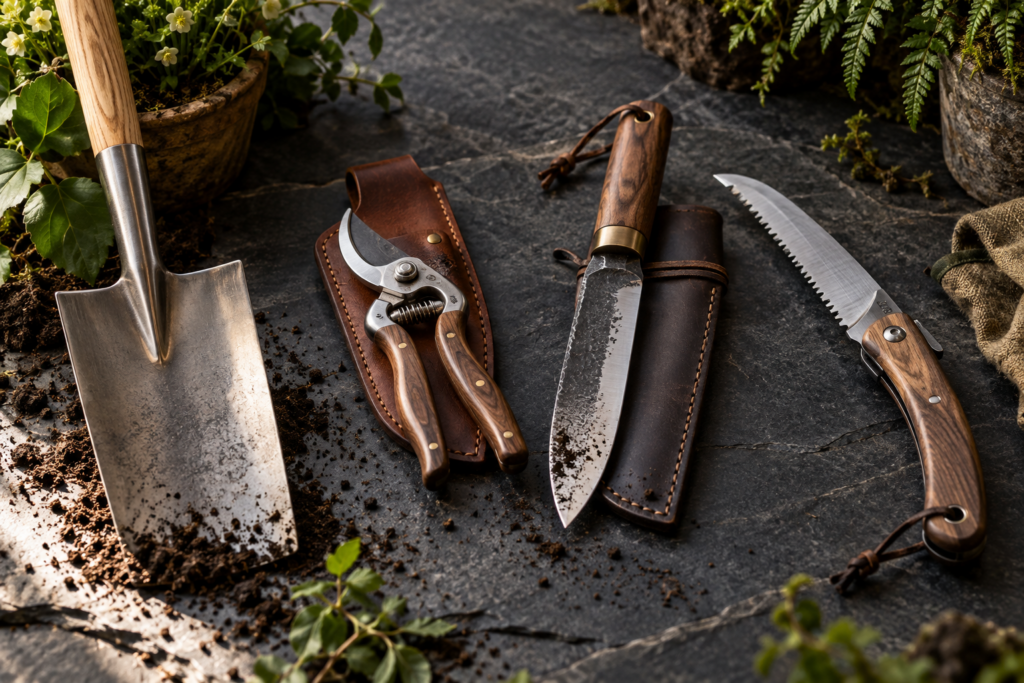
This is where most people get stuck, and the usual response is to buy something decorative. There’s a better route: think in terms of upgrade, consumable, experience, and specialism.
What do you get a gardener who has everything?
Go for consumables, experiences, or a quality upgrade rather than another tool. Good compost and mulch, unusual seed varieties, bulbs, garden society memberships, tickets to flower shows, workshops, or a professional-grade version of a tool they already own will all land better than another item for the shed.
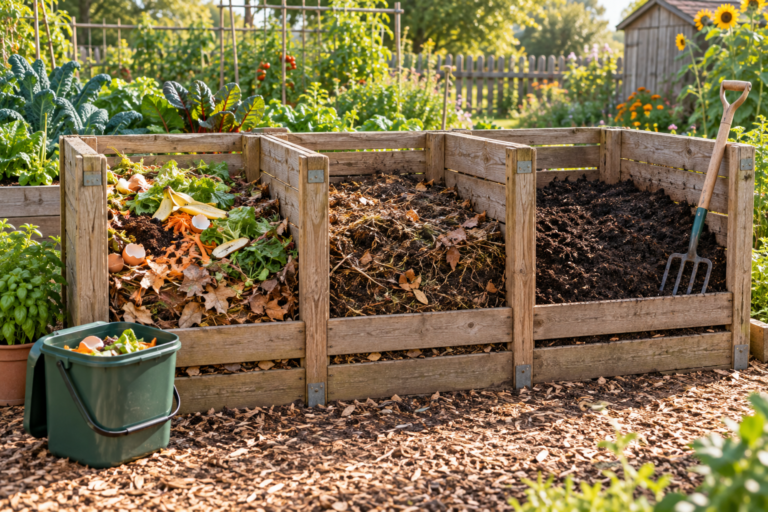
Consumables get used up, so there’s always room. Bulk compost, well-rotted manure, mulch, bark, quality potting mix, seed compost, plant labels, garden twine, soft ties, and bamboo canes. It sounds deeply unromantic and it’s wildly popular among people who garden seriously, because these things cost money, run out constantly, and are dull to buy.
Unusual varieties they wouldn’t order themselves. Heritage tomato seed, unusual chillies, specialist sweet pea varieties, rare dahlia tubers, alliums, or a bare-root rose. This works because it’s a plant rather than an object, and because it introduces something new to a collection rather than duplicating it.
Memberships and experiences. Horticultural society membership, botanical garden or arboretum membership, an open garden scheme pass, flower show tickets, or a place on a workshop teaching pruning, propagation, floristry, or garden design. Experienced gardeners tend to be deep into the learning side, and a day spent with a specialist is worth more than any object.
A serious upgrade of a daily tool. A forged stainless steel border spade with an ash handle. Professional-grade secateurs with replaceable blades and springs. A Japanese soil knife. A quality folding pruning saw. Someone who has been gardening for decades knows exactly how much difference these make, and often hasn’t replaced their own because the old one still technically works.
Something that solves a bottleneck. Watch for the recurring complaint. If they moan about lugging watering cans, a hose reel and quality hose or a drip system on a timer is the gift. If they lose half their seedlings to slugs, copper tape, cloches, or a set of horticultural fleece covers is. If their prunings pile up all autumn, a shredder changes their year. Listening beats browsing.
Storage and organisation. Shed hook rails, a proper tool roll, a sturdy trug or garden cart, a seed storage box with dividers, or a potting bench. Long-time gardeners accumulate equipment faster than storage, and this quietly improves every session.
Matching the Gift to the Kind of Gardening They Do
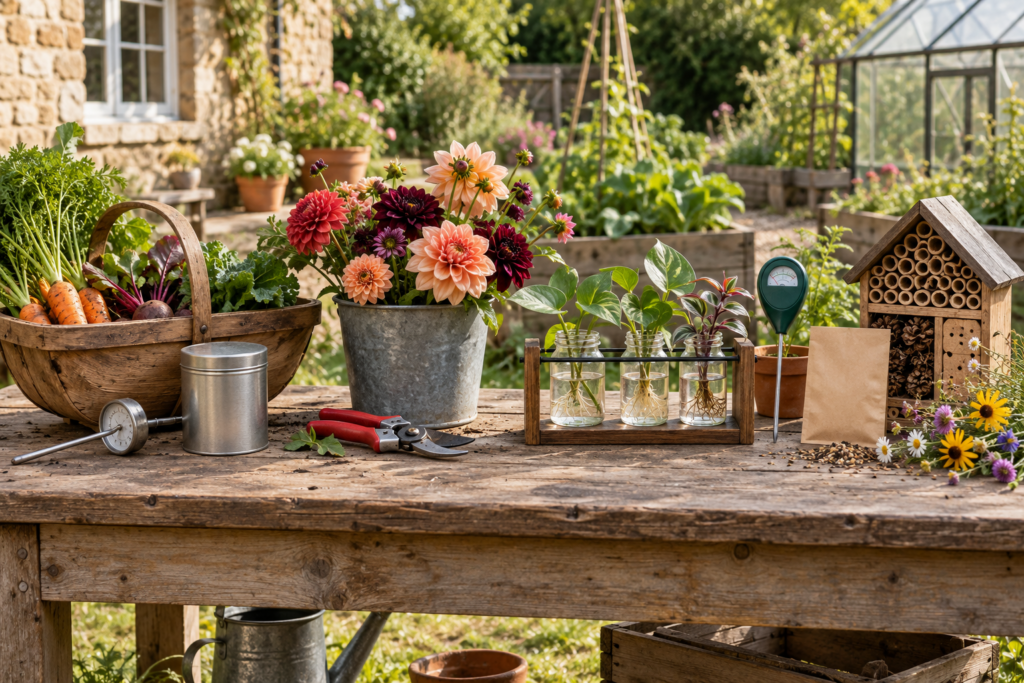
Once you know their branch of gardening, the options narrow helpfully.
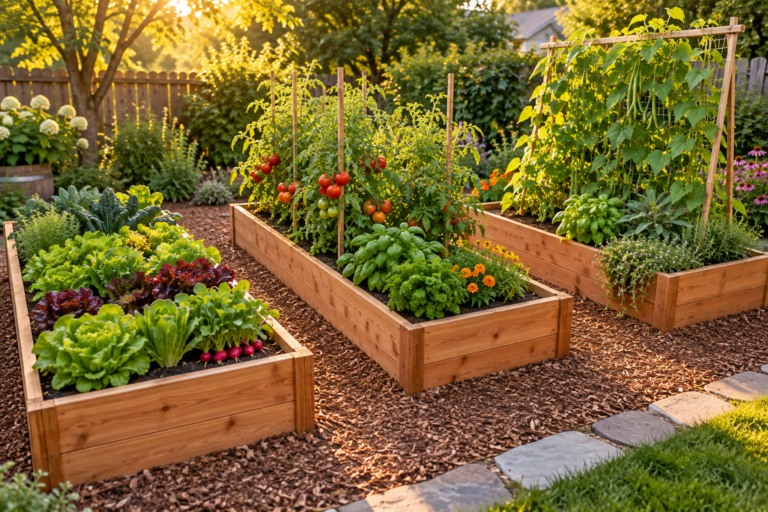
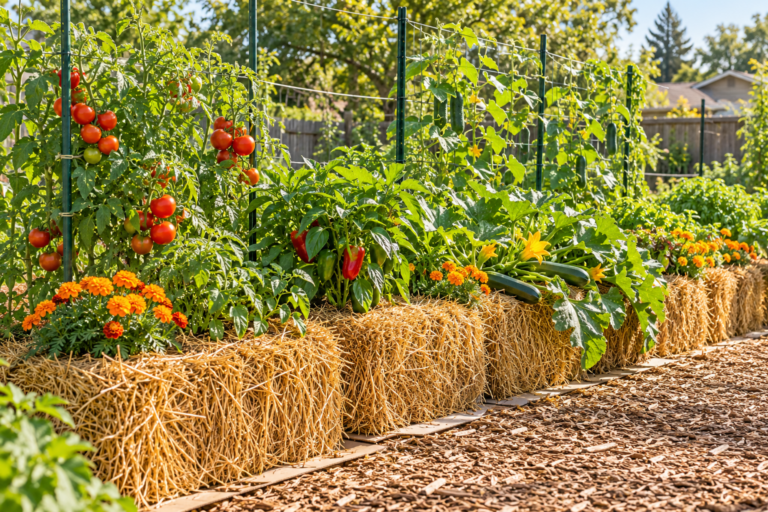
For food growers. Seed storage tins, a soil thermometer, a proper harvesting basket or colander trug, a sharp harvesting knife, crop protection like fleece and insect mesh, a compost bin or tumbler, canes and netting, and preserving equipment for the glut. Anyone growing vegetables eventually faces a wall of courgettes and tomatoes in August, so dehydrators, fermenting jars, and preserving pans land well.
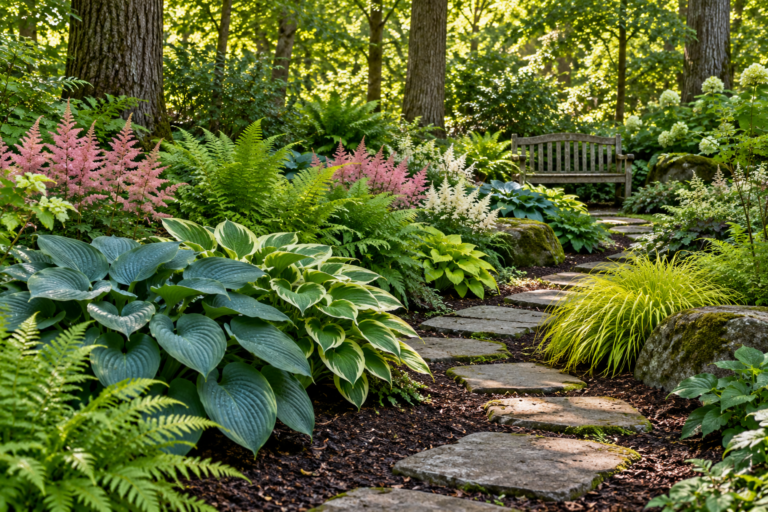
For flower gardeners. Bulbs in autumn, bare-root roses and perennials in the dormant season, plant supports and obelisks, a flower-cutting snip, a conditioning bucket for cut stems, and a good book on planting combinations. Florists’ scissors and a shallow harvesting basket suit anyone who grows for the vase.
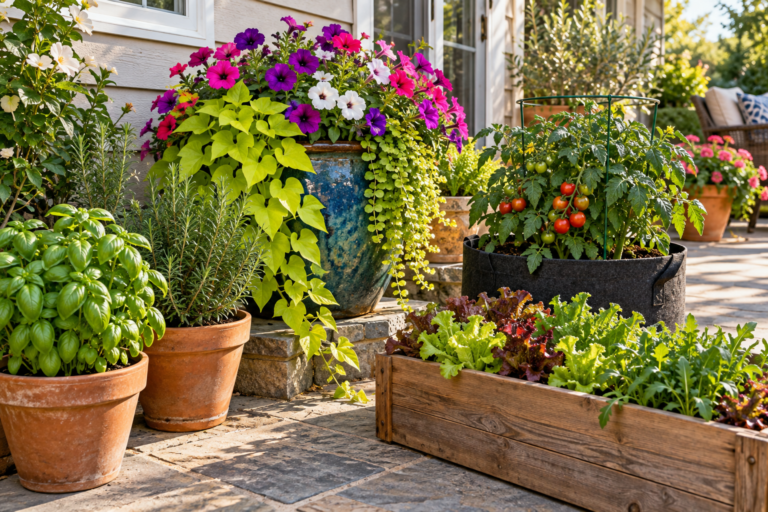
For container and balcony gardeners. Large self-watering pots, quality glazed or terracotta containers, vertical planters, railing planters, a compact watering can that fits under a bathroom tap, a small drip system for pots, and grow bags. Space is the constraint, so anything that grows upward or does two jobs is welcome.
For houseplant people. A moisture meter, a light meter or a grow light for dark flats, propagation stations and glass rooting vessels, decent chunky aroid mix and orchid bark, a misting bottle, a long-spouted indoor can, and attractive cachepots. Rare or unusual cuttings are a good gift here too, since collecting is much of the appeal.
For wildlife gardeners. Native wildflower seed mixes, a bee hotel or solitary bee nesting block, bird feeders and a bird bath, a hedgehog house, a nest box with a camera, or a small pre-formed pond liner. Field guides to insects, birds, and native plants suit people who like knowing what’s turning up.
For allotment holders and larger plots. A sturdy two-wheeled garden cart, a good wheelbarrow, a shed lock, a folding camp chair and a flask for the tea breaks that are half the point, a rainwater butt, and heavy-duty storage. Practical beats pretty on a plot.
For people obsessed with one genus. Specialist society membership, a reference monograph, show-quality pots, labels, and the supplies specific to their plant. Bonsai tools for bonsai people, alpine grit for alpine growers, tubers for dahlia growers. Buying into an existing obsession is nearly foolproof as long as you check what they already have.
Comfort, Safety, and the Things Gardeners Never Buy Themselves
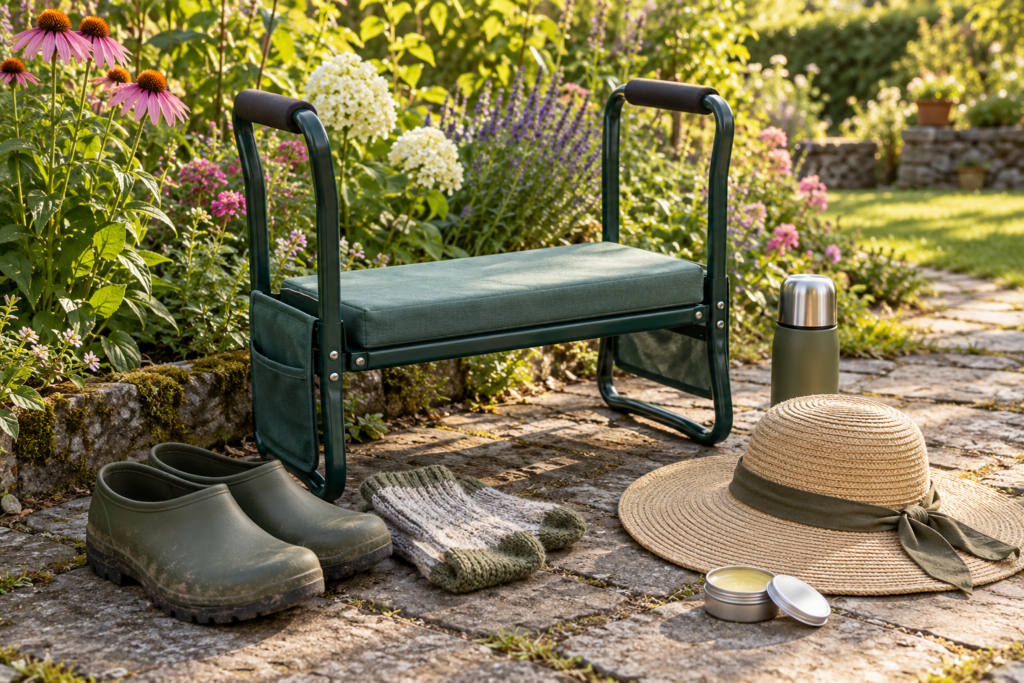
There’s a whole category of present that works because of a quirk of gardener psychology: money goes on plants and seeds first, and on personal comfort last. A gardener will happily spend on a rose and kneel on wet concrete to plant it.
A kneeler bench. Padded, foldable, with side handles, flipping over to become a low seat. It reduces knee strain, helps with getting back up, and extends how long someone can comfortably work. Frequently named by older gardeners as the best gift they’ve received.
A proper garden seat or stool. A rolling seat with a tray, a lightweight folding stool, or a bench positioned to look at the garden. Sitting and looking is a real part of the hobby, and almost nobody buys themselves somewhere to do it.
Weatherproof clothing. Good waterproof gardening boots or clogs that slip on and off at the back door, thick socks, a genuinely waterproof jacket, thornproof trousers, and a wide-brimmed sun hat. A gardener’s clothing is usually whatever was already ruined, so new gear feels like a luxury.
Hand care. Barrier cream, a serious repair balm, and a nail brush. Gardening is hard on hands, especially in cold weather, and this is a small gift that gets used daily.
Safety equipment. Safety glasses, ear defenders for powered tools, and a decent first aid kit for the shed. Boring, cheap, and genuinely protective.
A headtorch and outdoor lighting. Anyone who gardens after work in autumn and winter is working in the dark. A rechargeable headtorch or a set of solar path lights extends the usable day.
Warmth and refreshment. An insulated flask, a sturdy enamel mug that lives in the shed, and a decent thermos for allotment mornings. Small, and used constantly.
A radio or speaker for the shed. Many gardeners work with something on in the background. A weatherproof speaker or a simple radio is a modest gift that becomes part of the routine.
Gifts to Avoid, and Better Alternatives
Some presents fail predictably. Knowing why helps you swerve them.
Boxed tool sets in bright colours. Priced as a unit, made to hit that price, and typically containing two useful tools and four that aren’t. The metal bends, the handles crack at the neck, and the whole thing ends up in the shed’s bottom drawer. Buy one good tool instead.
Novelty gadgets. Single-purpose devices for jobs a trowel already does. Gardeners have limited storage and a strong instinct for what earns its space.
Decorative items for someone else’s garden. Ornaments, statuary, wind chimes, and signs are intensely personal, and a garden is a designed space whose owner has opinions. Unless you know their taste precisely, this is a risk. A plant they choose themselves is safer.
Cut flowers for a flower gardener. Not wrong exactly, and slightly odd, since they grow their own. A bare-root rose, a bag of bulbs, or an unusual perennial says more.
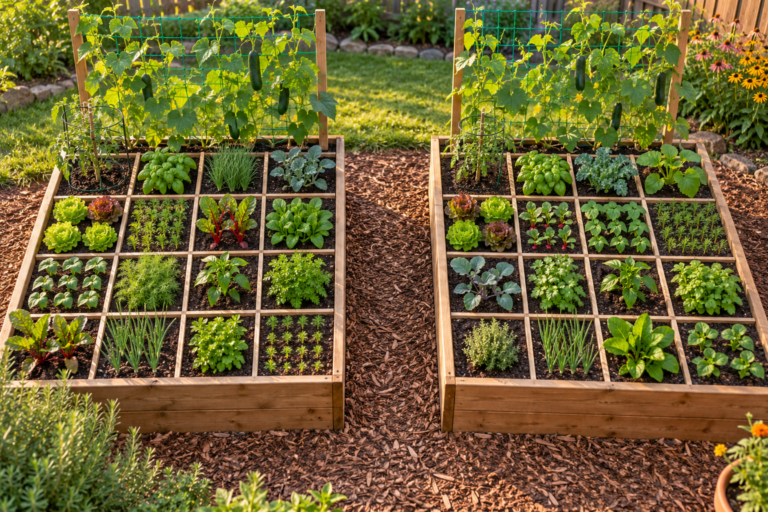
Anything requiring space you haven’t confirmed. Greenhouses, raised bed kits, large compost bins, and sizeable furniture all need a location agreed in advance. A gift that forces a landscaping decision creates work rather than pleasure.
Fussy houseplants for a beginner. Orchids, calatheas, and ferns are lovely and unforgiving. A pothos, snake plant, or spider plant is a kinder introduction.
Plants without checking conditions. An acid-loving shrub for someone on chalky soil, or a full-sun plant for a shaded north-facing yard, will die through no fault of theirs. If you’re unsure, a gift voucher for a good nursery lets them choose something suited to their conditions and season.
What are good gardening gifts on a small budget?
Seeds, bulbs, plant labels and a marker pen, garden twine, a good pair of gloves, hand repair balm, an enamel mug, a seed storage tin, or a bag of quality compost all cost little and get used constantly. A cutting from your own plant, potted up and labelled, costs nothing and is often the most appreciated of all.
That last one deserves emphasis. Gardeners trade plants as a matter of course, and a division of something from your own garden carries a story with it. Years later they’ll still refer to it by where it came from, which is more than most bought gifts manage.
Frequently Asked Questions
What gardening tools make the best gifts?
Bypass secateurs, a forged hand trowel, a hand fork, and a Japanese soil knife top the list, because they’re used every session and the quality difference is immediately obvious. Look for forged rather than stamped construction, hardwood or ergonomic handles, and replaceable blades and springs on cutting tools. A single excellent tool is a far better gift than a multi-piece set.
What should I get a gardener for Christmas?
Winter gifts work best when they’re about the season ahead. Seed catalogues and seed orders, a heated propagator or grow light, a gardening book, a society or botanical garden membership, a workshop booking, or a planning journal all give something to look forward to. Practical winter items like waterproof boots, warm gloves, and a flask also suit the time of year.
Are plants a good gift for a gardener?
Yes, provided you check their conditions first. Match the plant to their soil type, light levels, and climate, and avoid anything that needs a spot they don’t have. Bare-root roses and perennials in the dormant season, bulbs in autumn, and unusual varieties they wouldn’t buy themselves all work well. If unsure, a nursery voucher lets them choose.
What’s a good gift for someone with only a balcony or indoor plants?
Focus on containers, light, and water. Large self-watering pots, railing and vertical planters, a compact watering can, a grow light for dim spaces, quality potting and aroid mixes, a moisture meter, and propagation vessels all fit small-space growing. Unusual cuttings and compact plant varieties bred for containers are good plant gifts here.
How do I buy a gardening gift when I know nothing about gardening?
Stick to consumables and comfort, which are hard to get wrong. Compost, mulch, plant labels, twine, good gloves, hand balm, a kneeler bench, or a flask will be used regardless of what they grow. Alternatively, buy a membership, a workshop place, or a nursery voucher and let them make the specific choice themselves.
What are good gardening gifts for older gardeners or people with limited mobility?
Look for anything that reduces bending, kneeling, and grip force. Ratchet secateurs and loppers cut with far less hand strength, long-handled trowels and weeders reduce stooping, and lightweight aluminium or carbon fibre handles lower the load. A kneeler bench with side handles, a rolling garden seat, and raised bed or tabletop planters all help considerably.
Is a gardening subscription box worth giving?
It depends on the recipient. Seed subscriptions and plant-of-the-month services suit people who enjoy surprises and have space to plant them, while gardeners with specific plans and limited room often find them awkward. A society membership, magazine subscription, or nursery voucher gives similar ongoing pleasure with more control over what arrives.
What can I make as a homemade gift for a gardener?
Potted-up cuttings or divisions from your own plants are the classic and most appreciated option. Saved seed in hand-labelled envelopes, a wooden plant label set, a seed storage box, a simple trellis or obelisk, a bug hotel, or a jar of something preserved from your own harvest all work well. Homemade gifts trade on personal connection, which fits the culture of gardening neatly.
Keep Learning
For more beginner help, see How to Start a Garden: The Complete Beginner’s Guide, How to Start a Vegetable Garden: Step-by-Step Guide for Beginners, and National Gardening Day: How to Celebrate It at Home and in Your Community.